1. Why is it important for multinational operations to have a standardized waste management process?

A standardized waste management process helps create centralized control and consistency, which is essential when navigating the many waste streams of a multinational operation. Centralized control and consistency enable an organization to proactively identify potential operational issues so they can continue to improve efficiency. A standardized process also creates better data visibility, which can help an organization track and meet their corporate sustainability goals.
2. In our hyperconnected and ever-changing world, why will corporate sustainability goals continue to matter?
Maintaining corporate sustainability goals is essential to protecting the planet and protecting the brand. The consumers and partners who work with your brand are watching, and many are making choices based on sustainability.
Collaborating with a waste management partner that has a deep understanding of global sustainability practices and environmental, social and governance (ESG) standards is essential for achieving long term success. Such expertise ensures that your organization’s practices align with globally recognized frameworks, meet regulatory requirements and demonstrate a genuine commitment to responsible operations. This not only mitigates compliance risks but also strengthens stakeholder trust, enhances brand reputation and supports measurable progress toward sustainability objectives.
3. How will data visibility impact a multinational operation’s ability to meet sustainability goals?
When an organization has comprehensive visibility into waste management data across all its operations, it is empowered to make more informed and strategic decisions. This level of insight enables leaders to analyze historical trends, identify areas for improvement and develop forward-looking plans that drive efficiency, sustainability and operational excellence.
4. Looking ahead, what could be the biggest cost-saving opportunity for multinational operations?
Implementing a robust risk management strategy can be one of the most effective ways for multinational operations to uncover cost-saving opportunities. By partnering with a single, trusted provider that possesses deep expertise in regional laws and regulations and maintains cross-border certifications, organizations can ensure that waste management practices are executed with the highest level of compliance and minimal risk exposure. This approach not only safeguards operations but also enhances efficiency and sustainability across diverse markets.
5. Is the future of waste management based in Total Waste Management?
Yes, corporate sustainability is here to stay and will only become more important as we move forward. For multinational operations, taking an international approach to waste management regulations is essential.
Gaining a clear understanding of your organization’s waste streams—and identifying ways to improve them, reduce them and even create value from them—is equally essential. Taking a total waste management approach means looking at everything from start to finish and finding ways to make it work better for your organization. While rules, regulations and certifications vary by industry, country and even sometimes states or regions, there are innovations and sustainable solutions that can be applied. The right partner can help your organization.

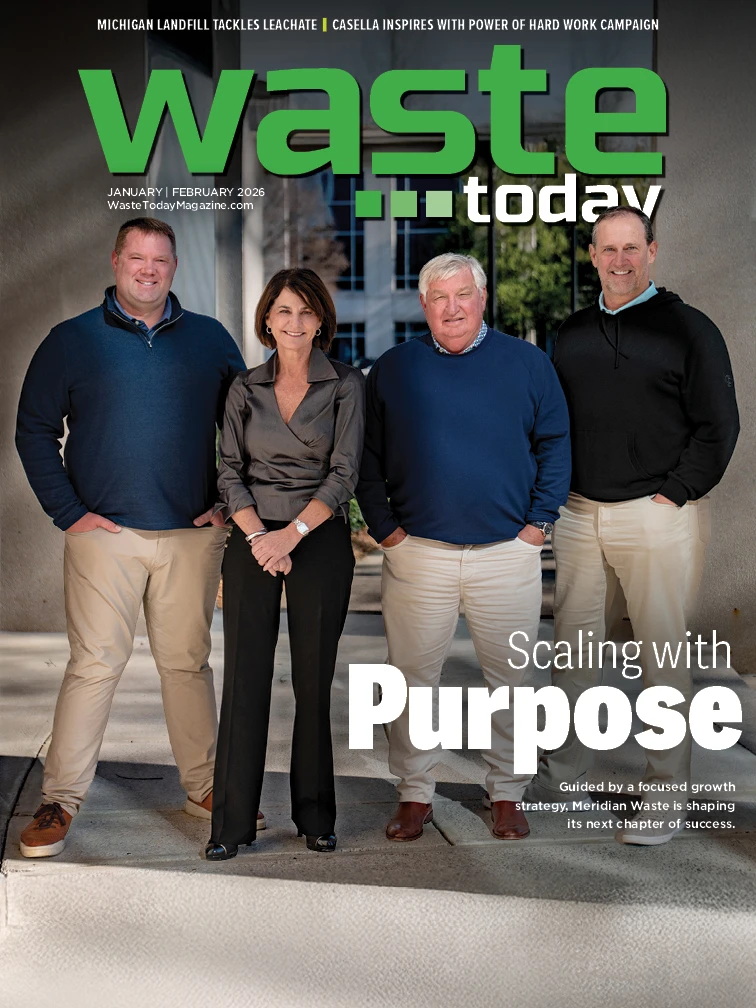
Explore the January/February 2026 Issue
Check out more from this issue and find your next story to read.