Logo courtesy of the American Biogas Council.
Approaching Thanksgiving, the Washington-based American Biogas Council (ABC) has released new data highlighting the growth of biogas systems that convert food waste into energy.
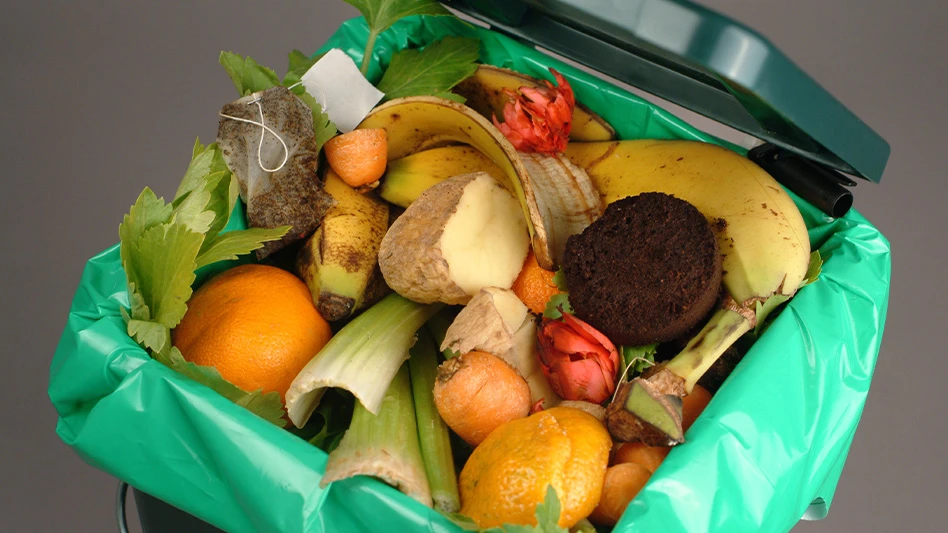
On Thanksgiving Day, Americans will throw away about 160,000 tons of food scraps, representing $550 million worth of food tossed in a single day, according to ReFED. ABC says American households throw away about 26 million tons of food each year, while food processors, grocers and restaurants produce an additional 30 million tons of food waste.
ABC says prevention is the best strategy to reduce food waste. However, biogas systems help ensure that discarded food is used productively. These systems capture the energy from surplus food and other organic material, like manure and wastewater solids, as they break down. Biogas facilities use anaerobic digestion to recycle waste into energy that can be used to power and heat homes, fuel vehicles or generate electricity through engines and fuel cells.
As of this month, ABC says 304 biogas systems in the U.S. convert food waste into renewable energy, a 19 percent increase over the past five years. ABC found that 118 of these facilities recycle food waste only, handling over 10 million tons of pre- and postconsumer inedible scraps each year.
Wastewater treatment plants and farm-based biogas systems also recycle discarded food. ABC counts 124 wastewater plants in the U.S. that combine food waste with wastewater solids to generate energy, recycling an additional 1.1 million tons of wasted food each year. In addition, ABC says 62 farms anaerobically digest food waste in combination with animal manure, putting another 1.7 million tons of food scraps to good use.
In total, these facilities recycle 12.8 million tons of food scraps and other organic waste into more than 35 billion cubic feet (Bcf) of biogas a year, which ABC says is enough to cover the year-long energy use of 283,000 U.S. households.
“The U.S. still overlooks the enormous value in food processing scraps and inedible food,” says ABC Executive Director Patrick Serfass. “Biogas facilities can convert this waste into enough home-grown energy to supply the needs of millions of Americans, while creating jobs and catalyzing new, local investments. We hope more municipalities and industrial food processors will choose to invest in biogas systems to recycle their resources locally.”
Looking into the future, ABC says if three-quarters of the discarded food from homes, grocers, restaurants and food processors were recycled in biogas systems, that wasted material could turn into 115 Bcf of biogas per year, equivalent to the energy needs of nearly one million U.S households.
ABC says the biogas sector is expected to expand and transform discarded food into valuable energy to reduce waste and support home-grown renewable power.
Latest from Waste Today
- Fleetio launches AI capability to accelerate fleet maintenance approvals
- Recycle Ann Arbor extends drop-off station operating hours
- Sybilion seeks to help manufacturers confidently address volatility
- Ecowaste Solutions partners with city of Trinity, Texas
- Bristal Hauling acquires G&R Garbage Disposal
- Baltimore trash collection expected to slow as WTE facility closes for maintenance
- Landfill Insights | Connecting the dots: Policy to practice
- FCC Environmental Services awarded collection contract in Florida