Shovels are breaking ground in Canada for new waste to energy (WTE) projects. In Vancouver (BC), creating energy from waste has been a priority for many years. In Richmond (near Vancouver), Harvest Power has owned and operated one of the largest permitted food scrap and yard debris composting facilities in North America using Covered Aerated Static Pile composting and odor control technologies with specially designed biofilters to produce hundreds of thousands of cubic yards of high-value compost-based products annually.
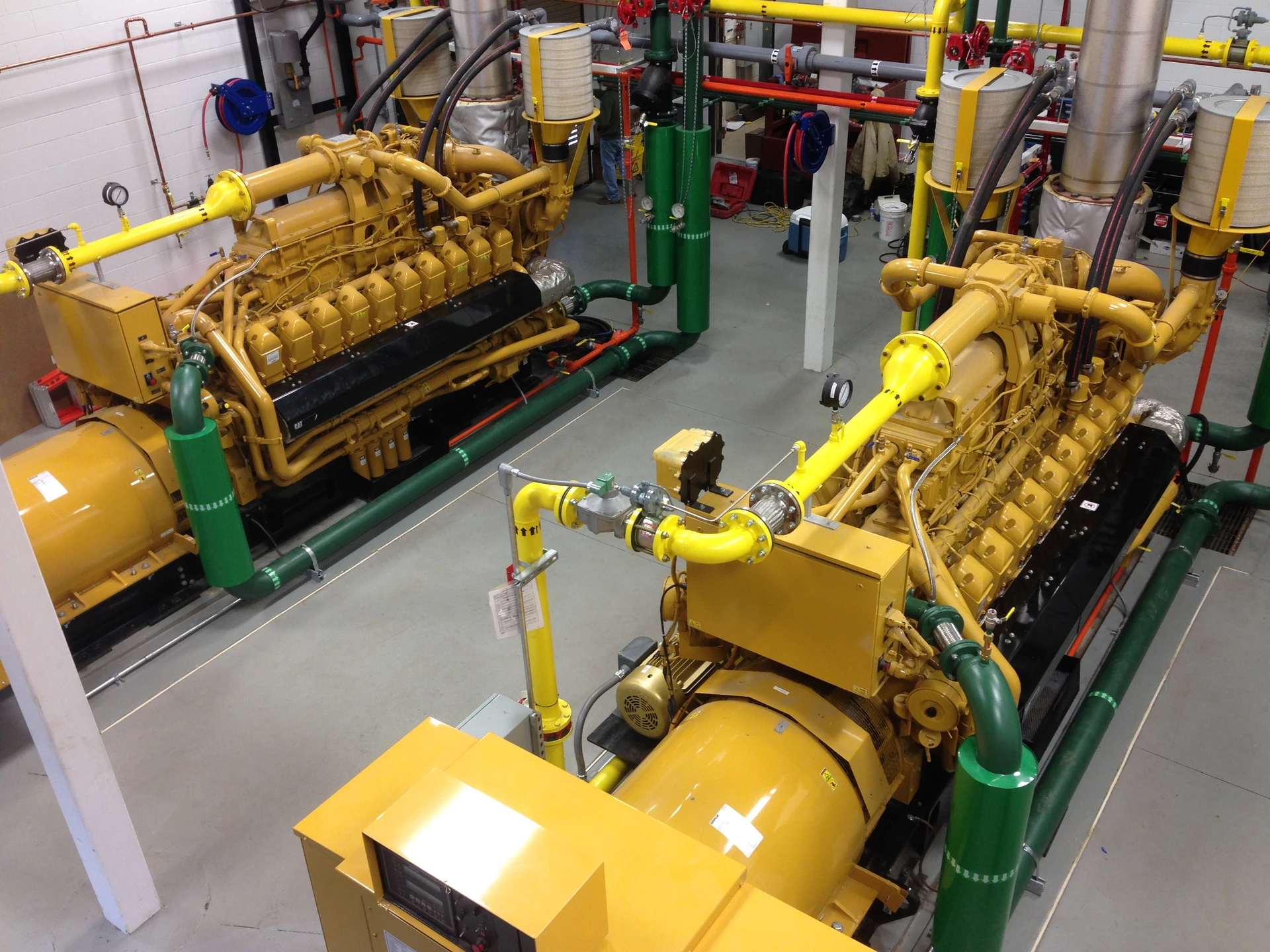
Harvest Power also converts waste to energy at the Richmond site through its Superpowered system. Anaerobic digestion uses naturally occurring microorganisms to break down organic materials and produce biogas, a mixture of methane and carbon dioxide. The biogas is then combusted to produce renewable electricity, cleaned to pipeline natural gas standards, or further processed into compressed natural gas (CNG) fuel; Harvest Power does the former in Vancouver.
High Solids Anaerobic Digestion (HSAD) harnessing energy from municipal food scraps and yard debris had never been done in Canada on a commercial scale. In 2013, some 40,000 tons of organic waste materials were processed. Metro Vancouver had started removing organic waste out of the wastestream six years ago, notes Greg Moore, chairperson of Metro Vancouver. “Harvest Power had been accepting yard waste for many years, and we slowly added in kitchen scraps or organics waste to it,” he says. “Metro Vancouver came out with additional policies to ensure we were getting as much as we could of that feedstock out of the solid waste system. We had demonstrated to the marketplace that we were going to follow through with policies, but we needed the private sector to come forward with solutions on how to deal with the organic waste, because weren’t going to deal with it.”
Harvest Power made a $19 million investment into the facility, he adds. “This anaerobic digester is the first of its kind in North America. They generate heat and electricity from it, sell it out into the marketplace, and the residuals are put back into the compost.”
WTE Saves Versus MSW Rates on Tipping Fees
Metro Vancouver creates regional policies around waste management. Individual municipalities are responsible for curbside collection. “Most of us have contracts with Harvest Power,” says Moore. “We have to pay them a $45-a-ton tipping fee for our kitchen scraps and organics waste, but it’s a much lower rate than municipal solid waste at $108 a ton, because they are able to sell some products off of it, which decreases the overall cost for us.”
Another energy initiative is in the works for Metro Vancouver. Its current WTE mass-burn facility handles about 1/4 the region’s garbage, generates enough electricity to power 16,000 homes, and recovers about 8,000 tons of metals annually. It has been in service since 1988.
Metro Vancouver earns about $6 million annually from the sale of electricity, and $1.4 million from the sale of recycled metal to a company that produces reinforcing steel. “We have some history with waste to energy, and have seen the results of it,” says Moore. “Today it is our lowest cost residual management source. Landfills are the most expensive.”
Because the landfill is reaching the end of its lifespan in 2015, Metro Vancouver had to revamp its solid waste management plan for a new WTE facility. “We hired international experts on solid residual management to look at every possibility, from landfill to MRFs, to waste-to-energy, and combinations of that,” he adds. “Our board came to the decision that the best way to deal with our residuals was to reduce the amount of garbage that people were creating in the first place, and then recycle as much as out of the system as we could.”
Some 10 of the 22 technologies that submitted to Metro Vancouver’s Request for Quotation phase in 2013 met the entity’s criteria of commercial, energy, and environmental viability. Of those 10 technologies: six are incinerators, one is a cement kiln incinerator, and three are gasification. Metro Vancouver is now seeking sites for the facility and will select three technologies to bid on the final contract, with expectations of breaking ground in 2015, Moore says.
Latest from Waste Today
- Vecoplan to present modular solutions at IFAT 2026
- Terex Ecotec appoints Bradley Equipment as Texas distributor
- My Green Michigan expands depackaging capacity
- Washington selects Circular Action Alliance as PRO
- Ten-8 Industrial opens new central Florida service center
- Triumvirate Environmental acquires Environmental Waste Minimization
- Official NYC Bin availability expands ahead of deadline
- US Food Waste Pact’s 2025 Impact Report shows decrease in food waste