Mergers & Acquisitions
Denali acquires North Carolina composting firm
Denali, a Russellville, Arkansas-based company with a national organics collection and processing footprint, has acquired Wallace Farm Inc., a North Carolina company engaged in composting to make soil and mulch products.
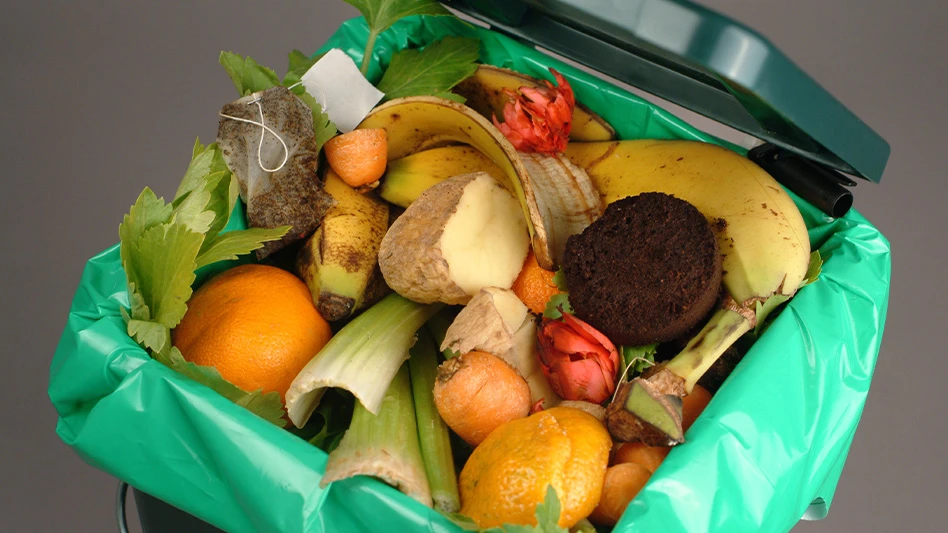
According to Denali, formerly family-owned Wallace Farm operates two large-scale facilities in North Carolina that collect and convert food waste, green waste and other organic materials into compost, mulch and soil products.
Denali says the acquisition strengthens its “large and growing organic collection operations in the Southeast by adding organics processing capacity through the two Wallace compost sites.” The acquisition also will support the expanded production and distribution of Denali’s ReCirculate bagged compost and soil product line.
Wallace Farm began commercial composting operations on its family farm 30 years ago, Denali says. The company has two facilities, a 75-acre operation in Huntersville, North Carolina, and a 162-acre facility in Advance, North Carolina.
“We’re pleased to welcome Wallace Farm and its team to the Denali family,” Denali CEO Todd Mathes says. “We look forward to continuing their operational excellence and building on their strong regional presence to further our commitment to building a resilient circular economy by transforming organic waste into renewable products.”
With the addition of Wallace Farm’s facilities, Denali says it now operates a network of 26 composting sites in the United States, allowing it to “maximize organic waste landfill diversion.”
Denali describes the acquisition as part of a broader strategy to build “a robust, integrated system as the market leader in organics recycling.”
“I’m proud of my family’s legacy in the communities we serve and joining Denali, which shares our family values, goals and high standards of quality and customer service,” Wallace Farm President Eric Wallace says.
“This is an exciting next chapter for Wallace Farm because we’ve always believed in the power of growing a greener environment, and with Denali’s scale and vision, we can take that positive impact even further.”

Legislation & Regulations
Washington legislature passes EPR bill
After passing in the Washington House of Representatives April 14 with amendments, the extended producer responsibility bill known as the Recycling Reform Act, or S.B. 5284, passed in the state’s Senate April 23. Washington joins Maine, Oregon, California, Colorado, Maryland and Minnesota in passing EPR legislation.
The Recycling Reform Act, which the governor had yet to act on as of press time, would create a producer responsibility organization (PRO) that requires manufacturers and consumer brands to reduce unnecessary packaging, fund statewide collection services and ensure materials put in curbside bins are recycled. Under the legislation, packaging producers would be responsible for much of the costs of collecting recyclables, and residents would see a 90 percent reduction in their household recycling bills by 2032.
The PRO would be responsible for paying fees to the Department of Ecology; establishing the producer fee schedule; submitting the program plan to Ecology; program implementation; and reporting, compliance, accounting and other functions associated with program administration.
Ecology, which would oversee the program, estimates the bill would expand recycling services to an additional 500,000 homes in Washington, notably in rural areas and multifamily residences, and increase the recycling rate from 40 percent to 66 percent. Only 58 percent of jurisdictions in Washington provide access to curbside recycling, and 11 counties have no curbside recycling at all, resulting in more than half of all paper and packaging ending up in landfills.
The bill defines packaging as including various materials, such as single-use items used in food or beverage consumption. Fourteen categories of materials are exempted from the bill, including packaging for bulk construction materials, medical devices, drugs, hazardous materials, products distributed only to commercial or business entities or packaging that meets specified recycling rates and other criteria.
Explore the May/June 2025 Issue
Check out more from this issue and find your next story to read.
Latest from Waste Today
- Fleetio launches AI capability to accelerate fleet maintenance approvals
- Recycle Ann Arbor extends drop-off station operating hours
- Sybilion seeks to help manufacturers confidently address volatility
- Ecowaste Solutions partners with city of Trinity, Texas
- Bristal Hauling acquires G&R Garbage Disposal
- Baltimore trash collection expected to slow as WTE facility closes for maintenance
- Landfill Insights | Connecting the dots: Policy to practice
- FCC Environmental Services awarded collection contract in Florida