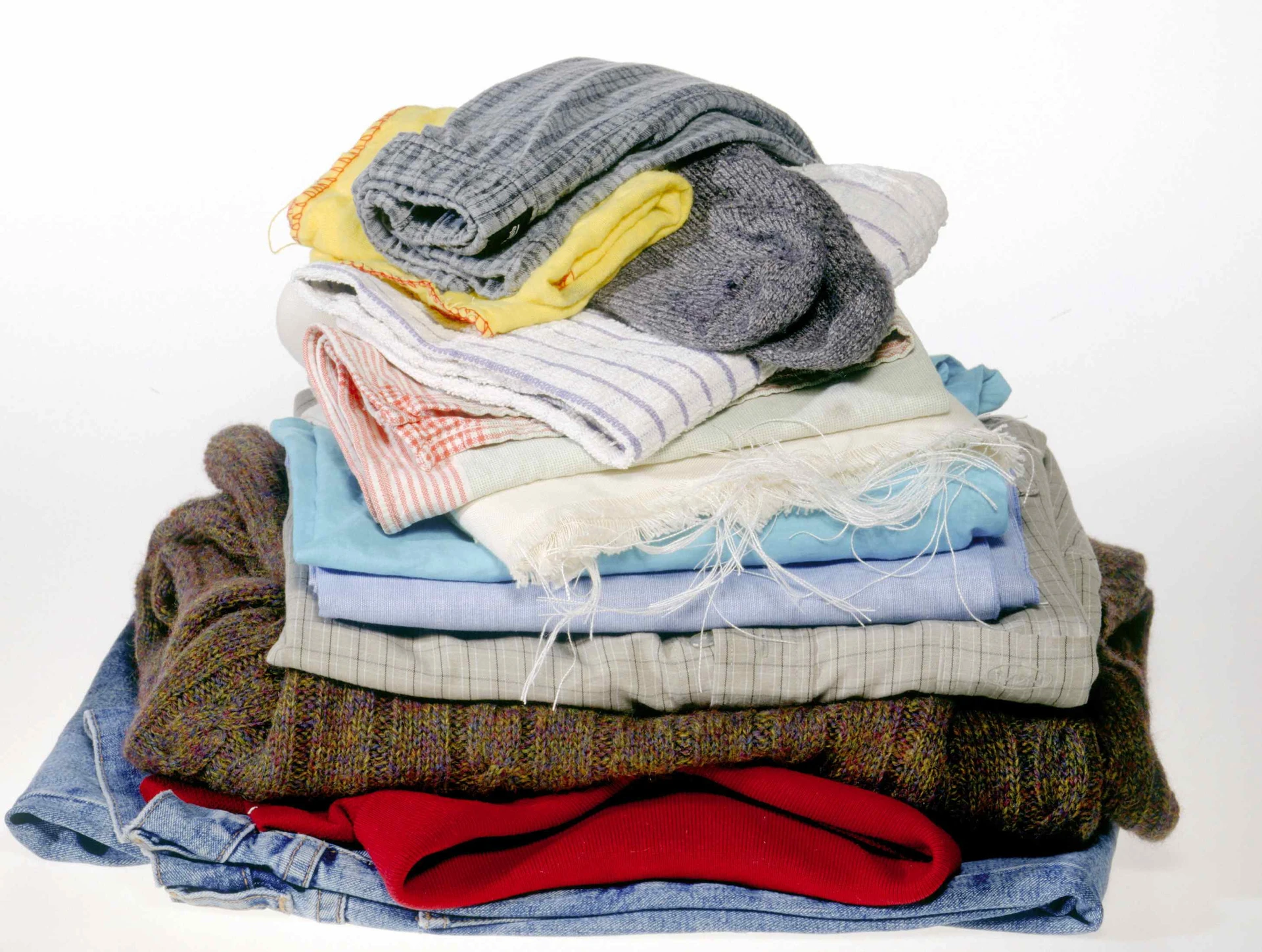
A new solution to textile waste is becoming more accessible thanks to a company called 37.5 Technology. The company's main business centers around a type of fabric used in workout clothing, outdoor gear, and other apparel that can regulate body temperature. A concern is that these fabrics—and many other textiles made of synthetic materials—can't be recycled or repurposed, and they take a long time to break down in a landfill.
To solve this problem, 37.5 Technology has decided to start incorporating an additive to accelerate the biodegradation of synthetic fabrics and textiles once they reach the landfill. This additive also enables active landfills to capture methane emissions which has the potential to reduce the product's warming impact as it degrades.
"Equipped landfills can turn that methane gas into renewable energy," the company's president, Blair Kanis, told Sustainable Brands in an interview with author Geoff Nudelman. "You’ve got more of that virtuous cycle — turning waste into an energy source.”
The technology is created from a porous material similar to volcanic rock. It is sourced from a third party, and 37.5 Technology is offering the additive for free to its brand partners that purchase textiles. It comes permanently embedded into the synthetic fiber.
Even better, perhaps, than biodegrading clothing that has already reached the landfill is recycling it before it gets there. While some fabric is notoriously difficult to recycle or repurpose, a startup called Circ claims to have developed technologies to recycle cotton, polyester, and blends of poly-cotton (which makes up about half of all textile waste, according to the company).
Circ's solution involves a modified take on chemical recycling to liquify the polyester and break it into monomers, while separating out the cotton. The technology speeds up the depolymerization process in a way that preserves the cotton cellulose instead of destroying it in the process. Circ is able to recover nearly 90% of fabric through its recycling process.
The company is operating a pilot industrial plant that can process multiple tons per day. They expect to open their first full-scale factory in 2025 that will process up to 65,000 tons per year.
Latest from Waste Today
- Worn Again Technologies unveils Accelerator plant to advance polycotton recycling
- Nashville Waste Services launches new digital route system
- ACUA landfill expansion project unanimously approved
- Clean Energy announces multiple RNG deals with fleets nationwide
- Interchange 360 to operate alternative collection program under Washington’s RRA
- Waste Pro files brief supporting pause of FMCSA CDL eligibility rule
- New Way Trucks expands US network with Joe Johnson Equipment
- Tire Industry Project publishes end-of-life tire management guide