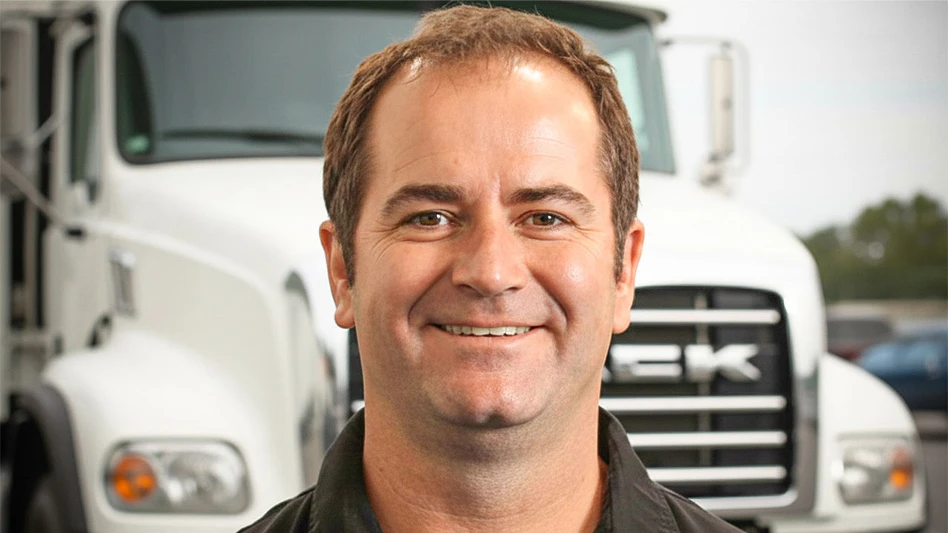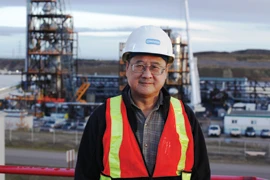
Allan Yee considers Edmonton Waste Management Centre in Alberta, Canada, to be at the forefront of municipal waste management in North America, given its number and variety of full-sized facilities. The 550-acre site includes a 198-acre closed landfill; 80 acres of biosolids storage lagoons; a waste transfer station receiving 200,000 metric tons of residential and commercial MSW yearly; a mechanical preprocessing plant sorting MSW into an organic stream for composting and a recalcitrant organic stream for refuse-derived fuel production; a refuse-derived fuel plant with a rated production capacity of 125,000 metric tons of RDF yearly; a mechanical MRF handling 55,000 metric tons of residential recyclables annually; an outdoor facility processing source-separated C&D waste; a mechanical plant sorting mixed C&D waste; a leachate treatment plant; a hazardous waste transfer station owned and operated by the University of Alberta; a solid waste research and development facility; and an advanced energy research facility. Also onsite are privately owned and operated facilities, including a paper recycling plant, an e-waste sorting facility, Phase 1 of a gasification plant using RDF as feedstock to generate syngas into 38 million liters annually of biofuels (methanol and ethanol), and a 4.8-MW power plant generating electricity from landfill gas and feeding it into the power grid. Yee, CD, M.Sc., B.Eng., is a senior engineer in the Processing and Disposal Section, specifically in organics processing. The composting operation, with 220,000 to 240,000 wet metric tons of feedstock processed annually (including MSW, dewatered biosolids, and wood chips) hosts a mechanical plant on 40 acres-with plans to add a high-solids anaerobic digestion plant-as well as another 40 acres of outdoor composting and curing facilities. Yee’s also involved in the land application of biosolids, strategic planning and integration issues, and technology reviews. He’s one of some 400 people working on site.
What He Does Day to Day
Yee’s days tend to be hectic, filled with meetings and telephone calls for higher-level strategy and planning sessions as well as detailed, single-issue meetings on specific operational and logistical issues of waste handling, composting, or project-related work. Yee often finds himself pressed for time to deal with e-mails and write, review, and evaluate reports, tenders, and requests for proposals, so he often brings work home with him. “Probably more disconcerting is that I don’t get out of the office often enough to actually look at things in the field or talk to the staff working there,” he says.
What Led Him Into This Line of Work
After graduating with a B.Sc. in civil engineering from the University of Alberta, Yee served as a military engineer in the Canadian Army. He returned to school to earn his M.Sc. in environmental engineering: “My feeling at the time was that in obtaining an undergraduate degree, you learned small bits about a whole bunch of things, but not enough about any one thing to be dangerous.” Yee then worked for eight years as the process engineer at Edmonton’s wastewater treatment plant; managing the city’s land application of biosolids program was one of his responsibilities. At the end of his wastewater treatment tenure, Yee investigated the feasibility of composting biosolids-in the late 1980s the economics of doing so wasn’t competitive compared to land application. “However, when the city’s interest in composting shifted over to the solid waste side, I moved along with it,” Yee says. For 20 years, he’s been involved in the planning, project management, construction, and operation of many of the operation’s facilities.
What He Likes Best About His Job
Yee says a number of his colleagues like to think progressively and “outside the box” about managing waste. “We do have some big picture/concept folks, but that’s also tempered by others here who are more sober, second-thought people with good logistical planning skills, who steer projects from the conceptual stage straight through to functioning processes and facilities,” he points out.
His Greatest Challenge
Yee says the biggest challenge of Edmonton’s waste facility relates to its integrated processes and systems. “If there are disruptions or mechanical breakdowns in the function of one facility-the composting plant is down temporarily, for example-it affects the function of other facilities as well,” he says.
Latest from Waste Today
- Vermeer announces plan to build new facility in Des Moines metro area
- Buffalo Biodiesel shares updates on Part 360 application to DEC, Tonawanda facility progress
- Capstar Disposal expands roll off dumpster rental services
- Supreme Court strikes down IEEPA tariffs
- Casella details facility closures, expansion efforts
- Zero harm: Building a SIF prevention program for waste and recycling operations
- Casella posts a loss in Q4 2025
- McNeilus names Haaker Equipment first Dealer Partner of the Year