Rumpke Consolidated Companies, one of the nation’s largest recyclers, points out on its website that the company was recycling before recycling was considered “cool.” In 1941, the company established one of southwestern Ohio’s first recycling operations by recycling metal during World War II. Trucks dumped waste into a pit, which was loaded onto a conveyor belt from which workers sorted tin and aluminum. The materials were baled and sold for about $40 per ton.
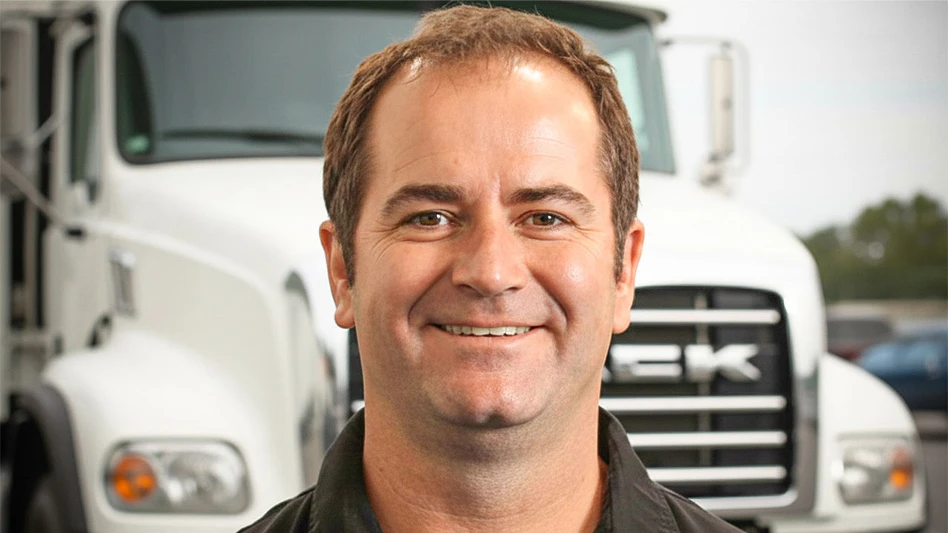
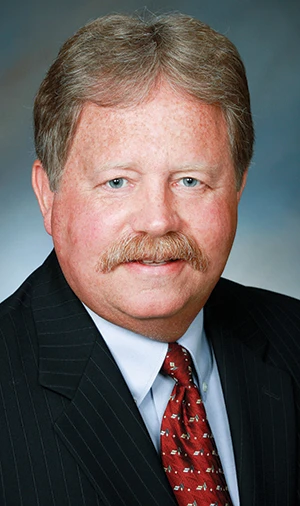
Today, the family-owned business recycles more than 700 million pounds of material annually through single stream recycling, with the mix sorted at one of its advanced recycling facilities in its service areas throughout Ohio, Kentucky, Indiana, and West Virginia. Residents recycle plastic bottles and jugs, glass bottles and jars, aluminum cans, steel cans and lids, paperboard, cardboard, office paper, envelopes and junk mail, cartons, telephone books, catalogs, newspapers, magazines, and inserts. Rumpke offers curbside recycling and public recycling drop boxes. The company also offers recycling services to businesses and industries, offering free waste and recycling audits to identify what materials in the trash can be recycled, potential labor savings, and the financial impact derived from diverting recyclable material from trash. Overseeing the recycling efforts is Steve Sargent, Rumpke’s corporate director of recycling. Sargent’s influence on recycling in Ohio—as well as that of the company as a whole—was recognized in December 2014 by the Association of Ohio Recyclers and the Buckeye Chapter of the Solid Waste Association of North America.
What He Does Day to Day
Sargent’s responsibility as the director of recycling for Rumpke involves three primary areas of focus. First, he monitors the daily operations of the company’s nine recycling facilities to assure they are operating properly. Second, his corporate responsibility is to oversee the marketing of recyclables processed by the company’s recycling facilities. A third corporate responsibility incudes coordinating all capital recycling projects from replacing existing recycling equipment to designing new Material Recovery Facility (MRF) layouts. In all of these functions, he reports directly to the CEO, William Rumpke, Jr.
What Led Him to This Line of Work
After earning a B.A. in business management from Mount Vernon Nazarene University in Ohio, Sargent started his career in the recycling field in 1980, taking an administrative position with PICCA, Inc., a 501(c)(3) organization that took on a recycling project after a local landfill shutdown in Circleville, OH. Sargent wrote a grant application for a collection vehicle and containers to start recycling glass from the local Coca-Cola bottling company. “We grew the PICCA recycling operation into the largest, non-profit recycling operation in the state of Ohio,” says Sargent. “In 1989, the recycling operation was sold to Rumpke. At that time, I accepted the position of director of recycling for Rumpke Consolidated and have been in that position for 26 years.”
What He Likes Best About His Job
Sargent’s favorite part of his job is the daily challenge of making recycling the cost-effective alternative to waste disposal. “I enjoy working with new processing technologies that help us to recover more marketable recyclables while achieving the goal of reducing our costs to process,” he says. “Rumpke’s recent $32 million investment in a state-of-the-art MRF in Cincinnati was a very positive experience that has met our corporate goals and objectives. We are now applying that same focus on improving our Mixed Glass Processing Facility in Dayton, Ohio.”
His Biggest Challenge
“Without a doubt, the recycling commodity market and education” is his biggest challenge, Sargent notes. “The residential recycling industry is now in the midst of the longest sustained drop in the value of our collected recyclables in history. We continue to feel we have seen the bottom of this market slide, but to date we have not. We are responding with the addition of new sorting technologies such as screens and optical scanners to continue to drive the costs out of processing, but it is a challenge. Our education challenge stems from our need to continually communicate the impact of these depressed markets to our municipal customers.”
Latest from Waste Today
- Vermeer announces plan to build new facility in Des Moines metro area
- Buffalo Biodiesel shares updates on Part 360 application to DEC, Tonawanda facility progress
- Capstar Disposal expands roll off dumpster rental services
- Supreme Court strikes down IEEPA tariffs
- Casella details facility closures, expansion efforts
- Zero harm: Building a SIF prevention program for waste and recycling operations
- Casella posts a loss in Q4 2025
- McNeilus names Haaker Equipment first Dealer Partner of the Year