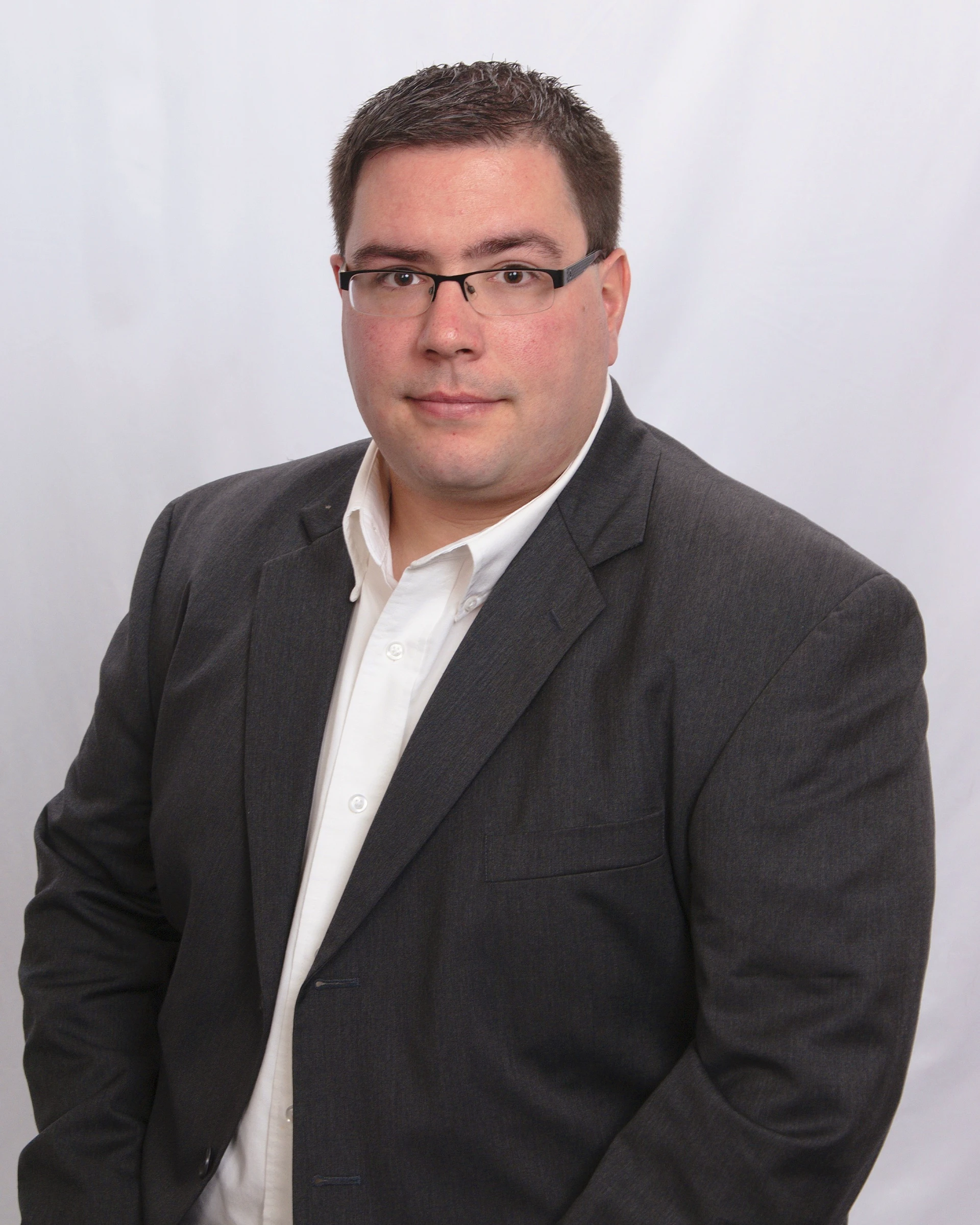
Polyfluoroalkyl substances (PFAS) and liquid build-up in landfills are currently the two areas of concern in solid waste operations, says Timothy Mitchell, P.E., a senior project manager who specializes in geotechnical engineering for Civic & Environmental Consultants. Among the company’s environmental services is waste management. Mitchell is one of many staff members keeping a finger on the pulse of the industry. “The current buzzword is PFAS and how the industry is going to address that moving forward,” says Mitchell. “There’s a lot of fear out there over this. Some municipalities have a knee-jerk reaction and impose regulations without having the science behind it to back it up.” Leachate is the biggest cost concern in landfills, says Mitchell, adding restrictions that create hurdles will be a significant factor for many sites. “The sites that were previously discharging directly to treatment plants may shut down and have to find alternative treatment methods,” says Mitchell. Liquids in the waste mass is another high priority, says Mitchell, adding that that is greatly reducing site stability. “The problem is that the changes in these liquid levels are not observable from the surface,” he says. “Changes continuously build up over time. For the owner and operator, it’s difficult to see that change, the effects it could have, and the instability that can result from it.” Other potential effects include a possible increased head on the liner system in excess of regulatory allowance, increased leachate seeps, and increased gas and odor generation. Mitchell has gained a birds-eye view of landfill management, having served in various capacities with SWANA’s landfill management technical division. He is currently the past division director and enjoys keeping up with current issues, ensuring that important items are addressed in SWANA conferences and members are ahead of regulations, special issues, or projects that come up along the way.
What He Does Day to Day
Mitchell's workday typically runs from 8 a.m. to 5 p.m., with some work going home with him at night. "It's a lot of writing narratives, calculation briefs, and running a lot of analysis using slope stability modeling software manufactured by Rocscience called Slide2, a two-dimensional slope stability modeling program,” he says. It’s part of an overall mission focusing on waste mass stability and field testing and analysis of waste slopes to evaluate if there are liquids in the waste mass which contribute to instability. There is interaction with other company locations and his team also is supported by other disciplines within the company, such as drafting support and administrative support.
What Led Him Into This Line of Work
Mitchell took an interest in the solid waste industry while serving in an internship with Civil & Environmental Consultants. “I never had a desire to go into the waste industry,” he says. “I did know that I wanted to work as a civil engineer and work on big complex projects. The waste industry never crossed my mind, but given an opportunity and an internship, before I was able to graduate, I found an interest in it. I found some of the projects that we were working on interesting. It just clicked.” Mitchell earned B.S. and M.S. degrees in civil engineering from the University of Pennsylvania and has worked for the company for 14 years.
What He Likes Best About His Work
“I like the challenge of figuring things out on a day-to-day basis,” says Mitchell “Every day is not going to be the same. With the engineering field, you're forced to use your mind to dissect problems and figure out the best solution. I really enjoy that. I know there's not always one best solution for a problem. I like considering alternatives and discussions with colleagues and clients as the best approach to solving some of these issues.”
His Greatest Challenge
Mitchell’s top challenge is tied to the significant challenge he sees in the industry—liquids in the waste mass—and in getting landfill owners and operators to realize the impacts liquids may have on the waste mass. “There are more sites than we probably think have issues with liquids in the waste mass,” says Mitchell, who recently presented at the Global Waste Management Symposium, addressing the benefits of liquids removal from a landfill.
Latest from Waste Today
- Worn Again Technologies unveils Accelerator plant to advance polycotton recycling
- Nashville Waste Services launches new digital route system
- ACUA landfill expansion project unanimously approved
- Clean Energy announces multiple RNG deals with fleets nationwide
- Interchange 360 to operate alternative collection program under Washington’s RRA
- Waste Pro files brief supporting pause of FMCSA CDL eligibility rule
- New Way Trucks expands US network with Joe Johnson Equipment
- Tire Industry Project publishes end-of-life tire management guide