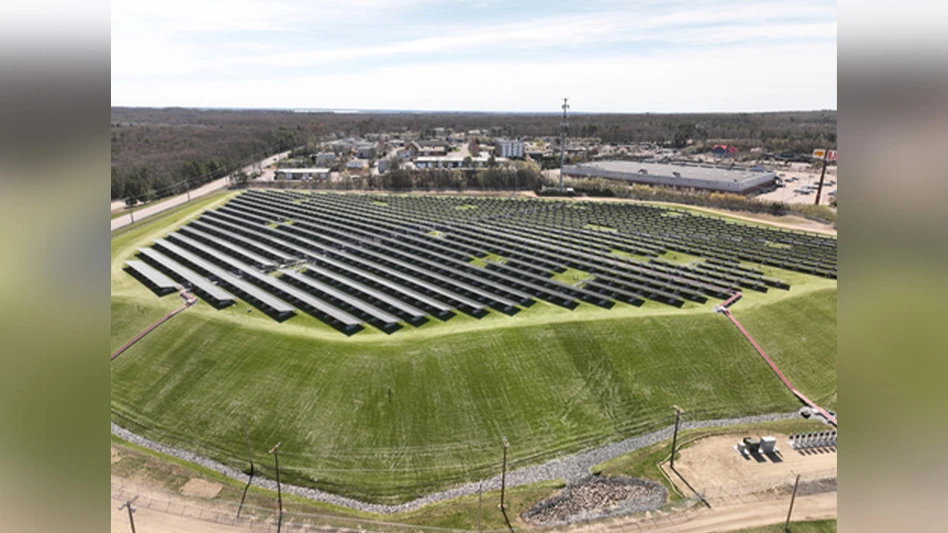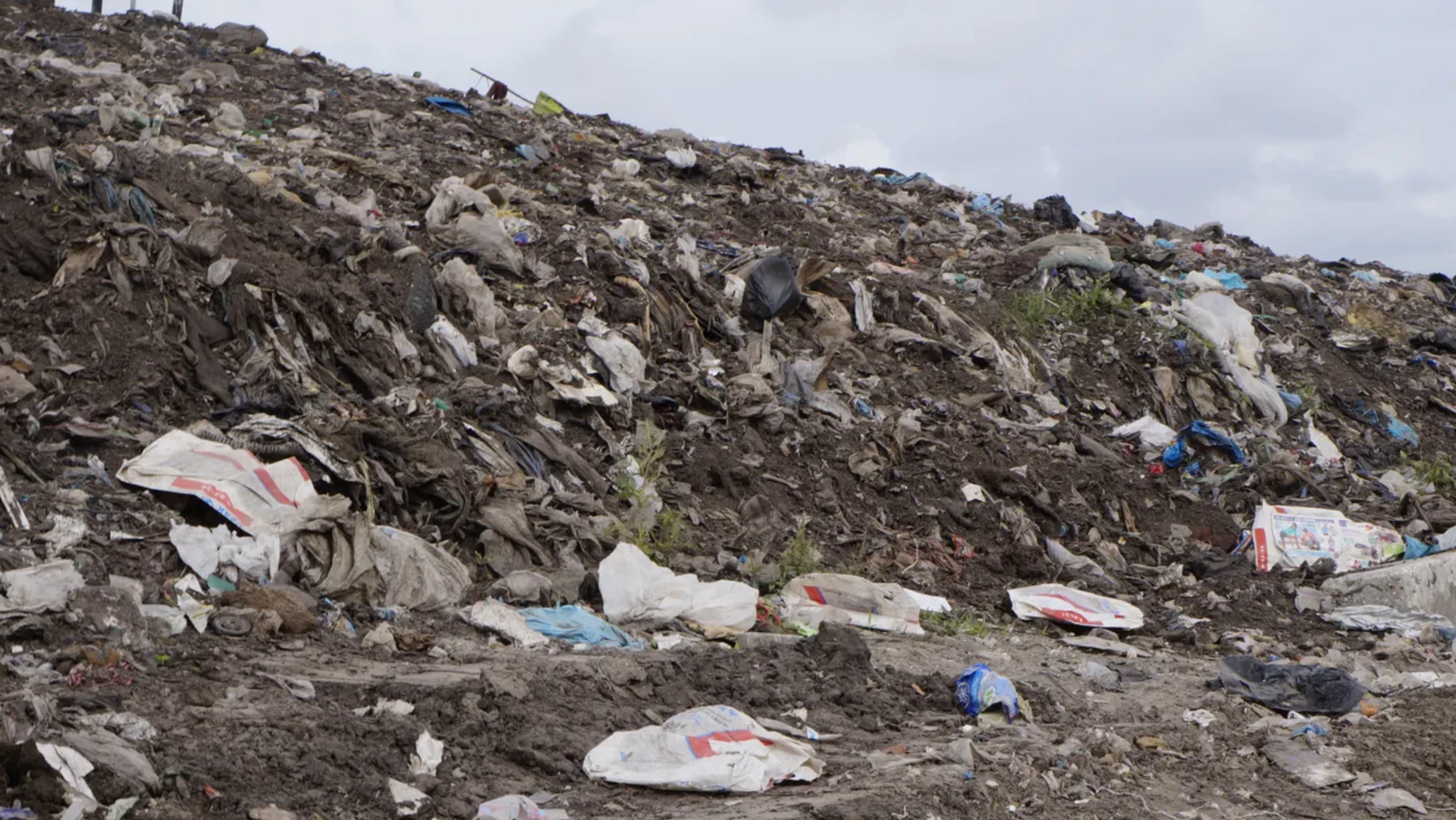
A new leachate treatment facility will be installed at a landfill in Florida and begin operating in early 2023. According to a recent announcement from Heartland Water Technology, the company is partnering with Indian River County Solid Waste Disposal District to provide a long-term solution for leachate management at the landfill. Construction of the leachate treatment facility has already started.
The landfill at the district's disposal facility generates close to 25,000 gallons of leachate every day. With an onsite leachate treatment solution, the district will no longer have to send its leachate to the county's treatment facility, or use trucks to transport concentrated leachate for disposal at a plant offsite.
The Indian River County (IRC) Solid Waste Disposal District (SWDD) sought a third-party expert's evaluation of multiple options for handling landfill leachate before settling on Heartland Water Technology's solution.
"SWDD's decision was based on Heartland's complete leachate management service offering, its proven track record with onsite leachate treatment, and a highly successful onsite pilot project, validated by the SWDD's engineering consulting expert, Geosyntec," according to the announcement by Heartland.
We recently published an article in an issue of MSW Management magazine written by David Howard, Executive Vice President of Operations at Heartland. He discussed the increasing costs of trucking leachate offsite for disposal. Outlets for disposal are also cutting off their customers more and more, due to chemicals in leachate such as PFAS (otherwise known as "forever chemicals).
Managing leachate onsite is one straightforward alternative, says Howard. A leachate treatment solution at the landfill ensures predictable costs—and often lower costs overall. Options for onsite treatment can include evaporative technology or membrane treatment, or a combination of the two. Treating the leachate onsite reduces the total volume, and it would be less expensive to truck offsite for disposal if necessary.
"Treating leachate onsite generally reduces costs and, often more importantly, locks in a treatment solution for the long term creating cost stability, mitigating financial risk, and allowing for better long-term budgeting," writes Howard. "Additionally, onsite treatment takes trucks off the road, reducing environmental impact."
Latest from Waste Today
- Vermeer announces plan to build new facility in Des Moines metro area
- Buffalo Biodiesel shares updates on Part 360 application to DEC, Tonawanda facility progress
- Capstar Disposal expands roll off dumpster rental services
- Supreme Court strikes down IEEPA tariffs
- Casella details facility closures, expansion efforts
- Zero harm: Building a SIF prevention program for waste and recycling operations
- Casella posts a loss in Q4 2025
- McNeilus names Haaker Equipment first Dealer Partner of the Year