Editor's Note: This article originally appeared in the September 2025 print edition of Waste Today under the headline “Tapping into the potential of biogas.”

You might want to spare some room for the biogas industry as it continues to spread its already ample wings.
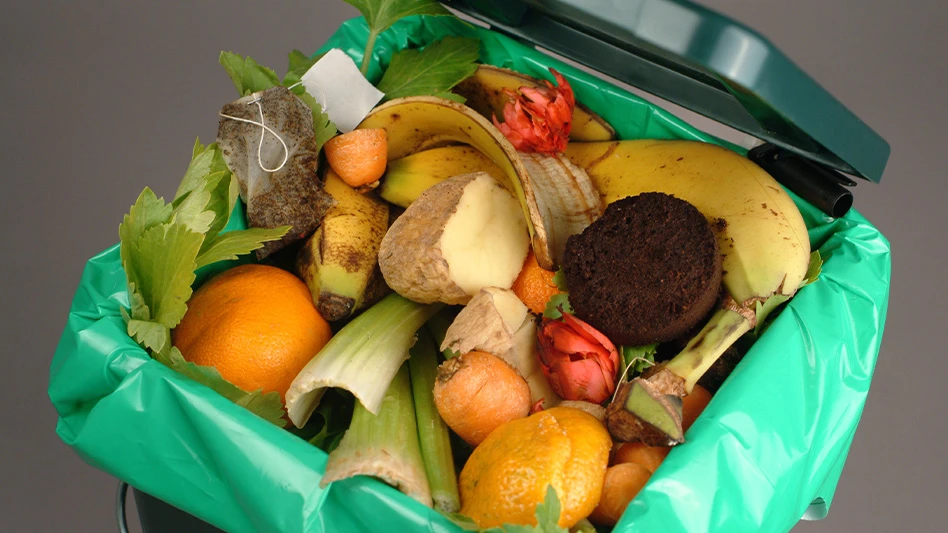
Biogas is produced “through the anaerobic digestion of organic waste materials, such as municipal solid waste, animal waste and agricultural residues,” according to Allied Market Research, a full-service market research and business consulting wing of Allied Analytics LLP, Portland, Oregon. Biogas consists mainly of methane and carbon dioxide and serves as a versatile energy source for electricity generation, heating and cooking. It can be used as a vehicle fuel as well.
Biogas is produced by capturing methane from organic waste—including food scraps, manure and wastewater sludge—and landfill gas that otherwise would be released into the atmosphere, says Patrick Serfass, executive director of the American Biogas Council (ABC), Washington. “Since methane’s more than 80 times more potent than carbon dioxide in the short term, capturing it delivers enormous climate benefits.”
Additionally, using biogas for cooking and heating not only reduces reliance on conventional fuels like wood and coal but also helps mitigate deforestation and indoor air pollution in developing regions, Allied Market Research notes.
The biogas industry is growing. As it has previously, the industry touched unprecedented heights last year, according to data released by the ABC in mid-February. In the 12 months ending December 2024, 125 new biogas projects came online, exceeding investments of $3 billion. Last year, new projects surpassed those in 2023 by 17 percent. Compared with 2023, investments in these projects increased by 40 percent.
The industry’s also flexing its muscle in terms of dollars and cents. By 2032, projections call for the biogas market to hit $88.6 billion, according to Allied Market Research, for a compound annual growth rate of 4.2 percent from 2023 to 2032. This growth is fueled by the rapid adoption of biogas as a renewable energy source across numerous sectors, such as industrial and commercial applications.
Last year, the size of the biogas market was valued at $43,053 million, according to Future Market Insights Inc., based in Newark, Delaware. By 2034, it’s forecast to almost double to $93,680 million. “Such an expansion highlights the increasing importance of biogas as a key player in the renewable energy sector,” notes Nikhil Kaitwade, associate vice president of Future Market Insights.
But there’s more at play here than the bottom line. In this case, it’s power. As reported by Waste Today in June, the ABC indicates that 255 billion kilowatt-hours of renewable electricity could be generated annually if potential capacity is fully met. That electricity could power 23.7 million homes—nearly all the households in Texas and California combined.
While more than 2,500 biogas systems are operating in the U.S., the ABC estimates that based on all the organic material that is not recycled, 17,000 more potentially could be constructed. This untapped opportunity could result in considerable energy:
- 204 billion kilowatt-hours of renewable electricity per year—enough to power 19 million homes;
- 185 billion British thermal units of renewable heat per hour—enough to heat 21 million homes; or
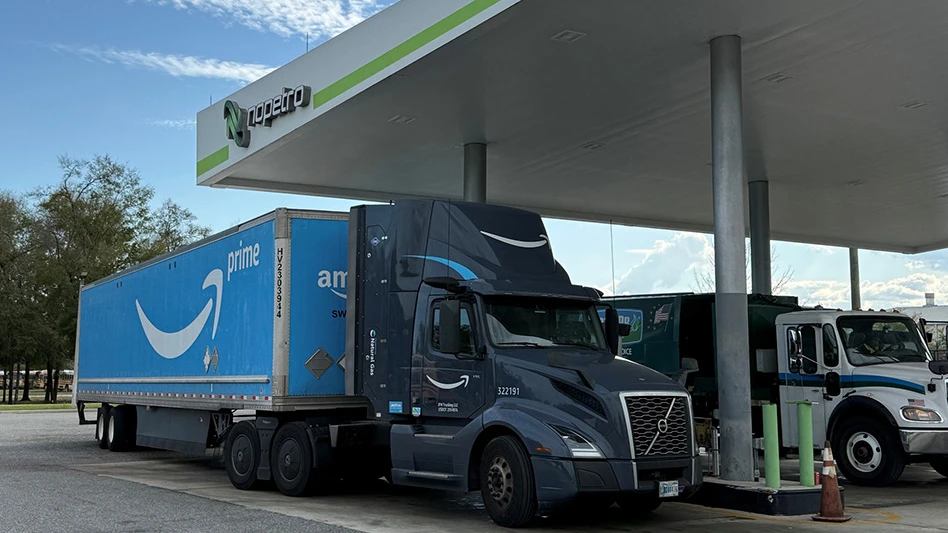
- renewable natural gas (RNG) equal to 13.5 billion gallons of gasoline annually—enough for 31 million vehicles.
“And those numbers don’t even include the additional nonenergy benefits like reducing odors from waste, protecting waterways, creating rural jobs and improving energy resilience,” he notes.
Biogas production also influences the climate. Serfass says biogas systems “are one of the most powerful tools we have to fight climate change while building a more sustainable economy.”
Kaitwade attributes the industry’s sustained growth to increasing global energy demands and a shift toward renewable energy. “As governments and organizations intensify efforts to promote renewable energy sources, further catalyzing growth, the integration of biogas into energy grids and its use as a vehicle fuel have broadened its appeal.”
Technology’s also done the burgeoning industry a major solid.
New growth avenues are being unlocked through strides in the technologies behind biogas, according to Allied Market Research. Fuel cells, microturbines and combined heat and power systems facilitate efficient energy conversion from biogas.
Emerging feedstocks, including algae and industrial organic waste streams, also contribute to growing biogas production, with yields increasing as a result of improved anaerobic digestion techniques and high-rate digestion processes.
“Unlike some other sources of clean energy, biogas technology—the process of feeding organic waste to microbes—is fully developed. It’s actually the oldest process in the universe,” Serfass says. “We’re just helping nature to work at a larger scale to support our rural and urban communities.”
Compared with more nascent technologies, biogas is easy to access as the nation’s need for energy grows, he adds.
While the basic technology isn’t new, Serfass says, “engineers and developers are always improving how to help mother nature along and how to deal with the contamination in our waste stream”.
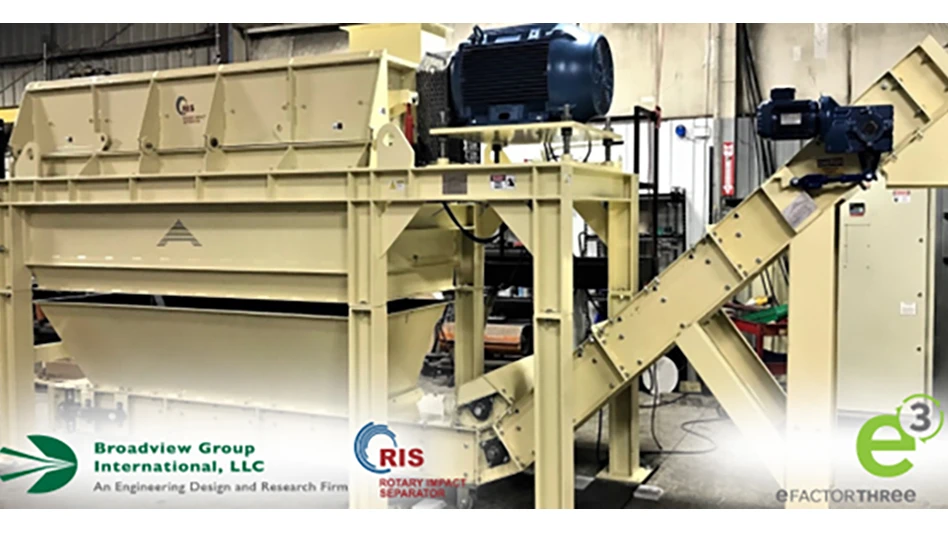
This takes the form of depackaging technologies that separate food waste from its packaging to membrane separation technologies that separate the methane from the carbon dioxide in biogas. These technologies “are improving how biogas systems work and making them more cost-effective so we can recycle more waste in our society,” he says.
“We’ll need many technologies to meet our waste and energy needs, and biogas systems are an essential part of that mix.”
While the industry’s imprint deepens, at the World Biogas Summit and Expo 2025, attended by more than 2,500 delegates July 9-10 in the U.K., a number of key takeaways emerged concerning challenges in project development and process optimization, regulation, data and finance.
“Tackling methane is ever more recognized as the single best solution to pull the emergency brake on our warming climate,” World Biogas Association Chief Executive Charlotte Morton said in her opening address.
Around the world, biogas is being recognized by businesses and governments as one of the most versatile and cost-effective solutions at their disposal to cut methane emissions, capture atmospheric carbon, decarbonize economies, establish local energy security and support sustainable agriculture.
Serfass says, “One of the biggest barriers to leveraging biogas for renewable energy and waste recycling is the fact that standards for greenhouse gas reductions and their accounting are inconsistent around the world.”
However, a recent example of biogas’ influence at the local level unfolded in San Antonio with a biogas project to transform methane-rich landfill gas into RNG. Its use in public buses is described as “a significant step” toward cutting the emission of greenhouse gases. The objective also was to promote a more sustainable transportation system.
Republic Services, CPS Energy, EDL and VIA Metropolitan Transit collaborated in the project. Playing a “crucial” role was the Tessman Road RNG facility.
When leveraged in transport, more than enough RNG is produced at this facility to displace around 7 million gallons of diesel fuel yearly. When it comes to San Antonio’s carbon future, the project is a vital component.
“We’re encouraged by the continued growth of the biogas industry and the increased focus businesses have put on sustainable energy solutions,” says Anthony Falbo, North America CEO of EDL, an Australia-based producer of sustainable distributed energy. “Operating landfill gas sites for more than three decades globally, it’s been our people that have earned us our spot in this industry.”
He continues that “as a key player in the world’s transition from traditional energy sources to decarbonized solutions, projects like Tessman are tangible examples of how we—in collaboration with our partners—can support the environment, our surrounding communities and business goals. We look forward to the continued positive impact our work at the Tessman facility will have on the San Antonio community.”
Explore the September 2025 Issue
Check out more from this issue and find your next story to read.
Latest from Waste Today
- Fleetio launches AI capability to accelerate fleet maintenance approvals
- Recycle Ann Arbor extends drop-off station operating hours
- Sybilion seeks to help manufacturers confidently address volatility
- Ecowaste Solutions partners with city of Trinity, Texas
- Bristal Hauling acquires G&R Garbage Disposal
- Baltimore trash collection expected to slow as WTE facility closes for maintenance
- Landfill Insights | Connecting the dots: Policy to practice
- FCC Environmental Services awarded collection contract in Florida