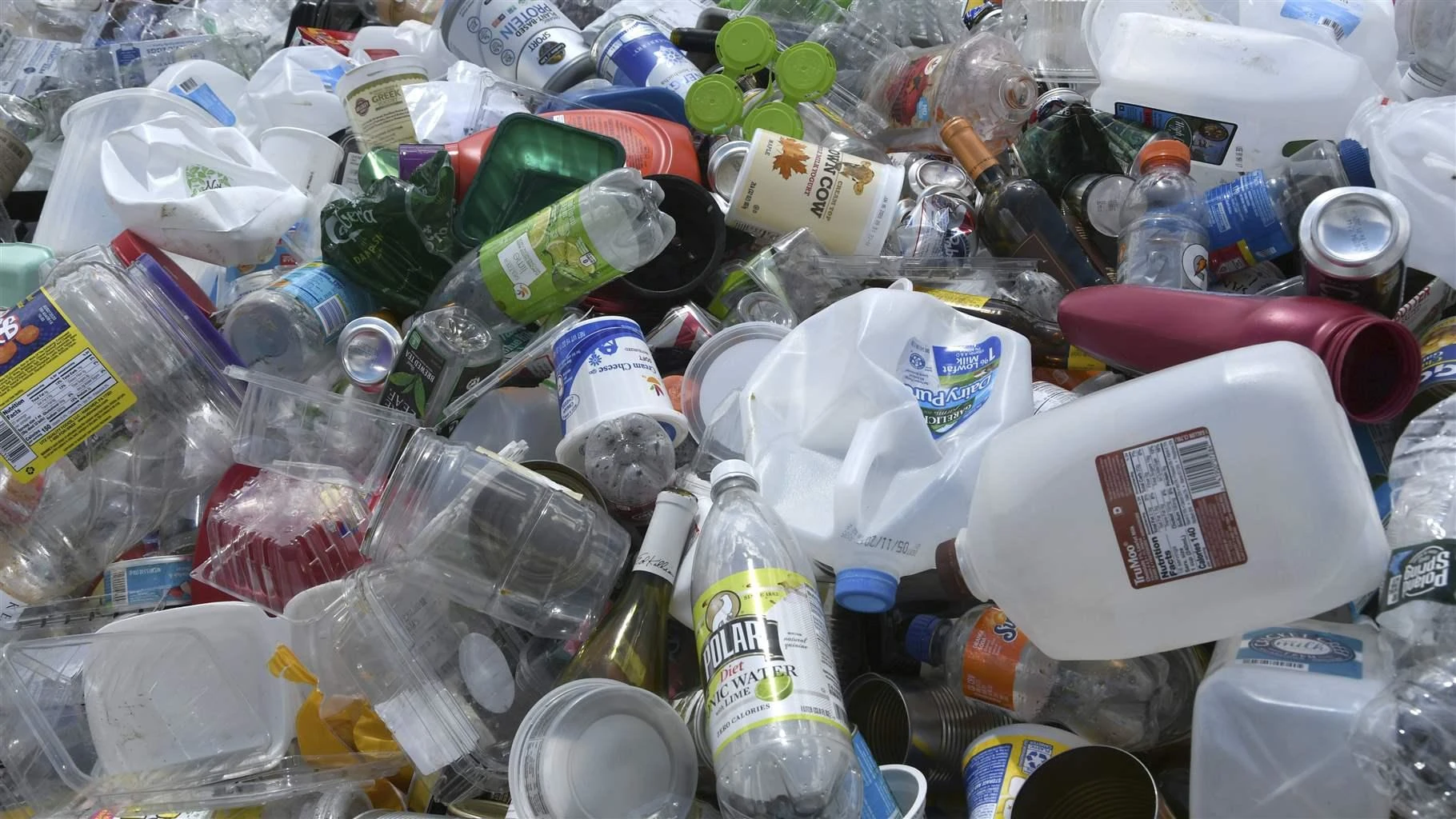
Landfill capacity in the U.S. has been decreasing for years, but the amount of garbage going to landfills continues to increase. A policy approach to address this issue—called “Extended Producer Responsibility,” or EPR—has grown more popular in recent years. EPR incentivizes manufacturers to make their packaging recyclable or to cover the costs of recycling (or disposing of) the packaging material.
California, Colorado, Maine, and Oregon have all enacted laws to enforce EPR in the past two years, according to an article by Stephen Elliott. This kind of legislation has also become more common in Canada and Europe.
The first EPR law in the U.S. will take effect in 2026 in the state of Maine. At that time, importers or producers of packaged products will be responsible for paying a fee that corresponds to the amount and type of packaging they use. The collected funds will then be allocated to local governments to support waste management and recycling efforts across the state.
The EPR law in Oregon will go into effect in 2025. It requires a majority of producers to join a “producer responsibility organization,” and the associated fees will be used for recycling facility upgrades, programs for contamination reduction, and expansion of collection services in Oregon. Read about the laws enacted in Colorado and California here.
Elliot referenced statements made by Abigail Sztein, the American Forest and Paper Association’s Director of Government Affairs. The association “is most concerned about getting the policy right,” Sztein remarked. She emphasized three key considerations for developing policies related to EPR:
The policies should not disrupt existing paper recycling programs.
They should provide credit for earlier recycling investments.
Policies should not require the paper industry to subsidize other materials that may not be recycled at the same rate as paper products.
California already runs numerous statewide stewardship programs for specific categories of products. These include stewardship programs for leftover paint, discarded carpet material, mattresses, pharmaceutical waste, and pesticide containers.
According to CalRecycle, strategies that revolve around EPR assign most of the responsibility to the producer or brand owner that is making decisions related to design and marketing of the product. The costs of processing and disposal should be incorporated into a product’s overall cost, which creates an environment “for markets to emerge that truly reflect the environmental impacts of a product,” the CalRecycle website claims.
Vermont passed laws to enforce EPR for certain types of batteries back in the 1990s. The state has since passed laws to encourage producer responsibility for electronic waste, architectural paint, and lamps and thermostats made with mercury.
Latest from Waste Today
- Vermeer announces plan to build new facility in Des Moines metro area
- Buffalo Biodiesel shares updates on Part 360 application to DEC, Tonawanda facility progress
- Capstar Disposal expands roll off dumpster rental services
- Supreme Court strikes down IEEPA tariffs
- Casella details facility closures, expansion efforts
- Zero harm: Building a SIF prevention program for waste and recycling operations
- Casella posts a loss in Q4 2025
- McNeilus names Haaker Equipment first Dealer Partner of the Year