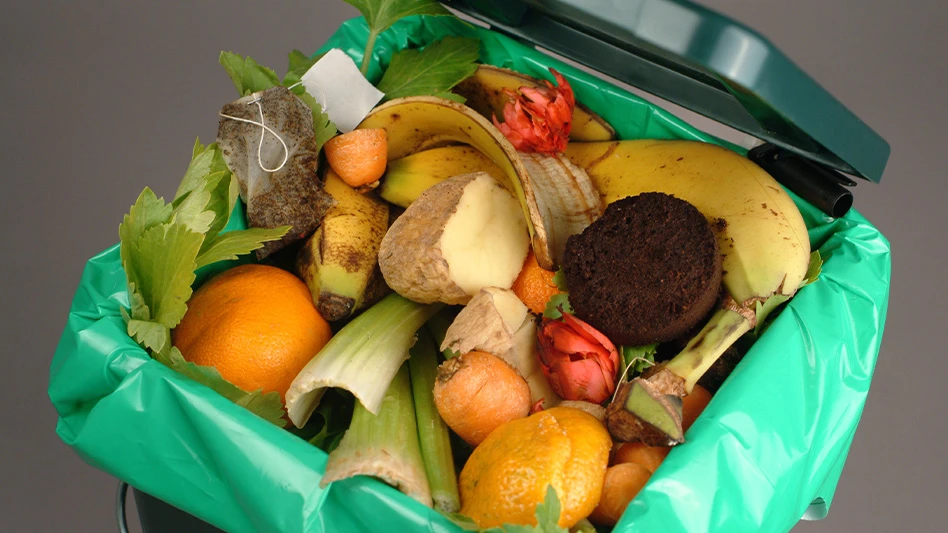
It is estimated that restaurants throw out 25,000 to 75,000 pounds of food each year in spoiled produce, uneaten meals or overcooked entrees. The same is happening in homes, grocery stores, and institutions around the country for a combined total of 206 billion pounds, contributing to massive global climate change due to methane emissions.
Using hundreds of acres of land and valuable landfill airspace for this purpose is simply not sustainable. This is one reason that some states are implementing organic recycling programs. Recently, California adopted mandatory organic waste recycling legislation for all residences and businesses to reduce the quantity of materials disposed of in landfills (50% reduction by 2020 and 75% by 2025).
Supporting Needs in the Food Waste Space
Combating organic waste has its challenges. Food waste is heavy, corrosive to traditional steel containers and messy. Rehrig Pacific, making sustainable solutions for over 100 years, took input from their customer base to see how they could be part of the solution. As the company already has a widely used home composting container and vented options that help with the off-gassing created by organic materials, Rehrig designed a first-of-its-kind commercial container specifically for the disposal of organic waste.

Learn more at rehrigpacific.com
Explore the October 2022 Issue
Check out more from this issue and find your next story to read.
Latest from Waste Today
- Fleetio launches AI capability to accelerate fleet maintenance approvals
- Recycle Ann Arbor extends drop-off station operating hours
- Sybilion seeks to help manufacturers confidently address volatility
- Ecowaste Solutions partners with city of Trinity, Texas
- Bristal Hauling acquires G&R Garbage Disposal
- Baltimore trash collection expected to slow as WTE facility closes for maintenance
- Landfill Insights | Connecting the dots: Policy to practice
- FCC Environmental Services awarded collection contract in Florida