kyrychukvitaliy | stock.adobe.com
The United States is undoubtedly the most successful economy of the modern age. Significant growth is regularly followed by significant consumption and, as a result, large quantities of waste, some of which is recyclable, reuseable or marketable. This potential could be quantified and leveraged.
This article delves into the untapped potential of the American biomass and waste-to-energy industry and the regulatory framework that could accelerate industry growth.
But first off, one needs to get familiar with the numbers published by the U.S. Environmental Protection Agency.
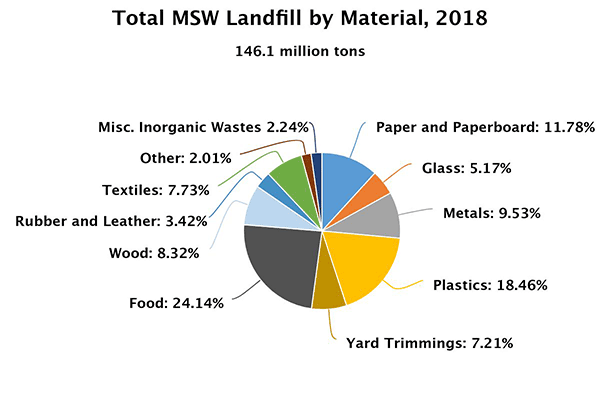
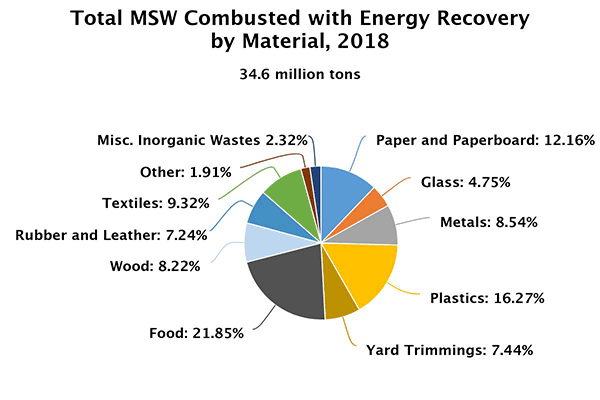
Total generation of municipal solid waste (MSW) in 2018 was 292.4 million tons (U.S. short tons, unless specified), or 4.9 pounds per person per day. Of the MSW generated, approximately 69 million tons were recycled, and 25 million tons were composted, for a total of nearly 94 million tons, or a 32.1 percent recycling and composting rate. An additional 17.7 million tons of food, or 28.1 percent, were managed by other methods, such as animal feed, bio-based materials/biochemical processing, co-digestion/anaerobic digestion, donation, land application and sewer/wastewater treatment. In addition, nearly 35 million tons of MSW (11.8 percent) were combusted for energy recovery, of which food comprised the largest component at approximately 22 percent; and more than 146 million tons of MSW (50 percent) were landfilled, with food comprising about 24 percent.
Of the 25 million tons of MSW that were composted, approximately 22.3 million tons were yard trimmings (more than a five-fold increase since 1990) and 2.6 million tons were food waste (4.1 percent of wasted food generation).
In 2018, 68 percent of paper and paperboard was recycled or composted. As a comparison, according to data from the German Federal Environment Agency, a full 95.4 percent of all paper, cardboard and paperboard packaging was recycled in Germany in 2022. That’s a 51.4 percent higher recycling rate for paper and cardboard in Germany.
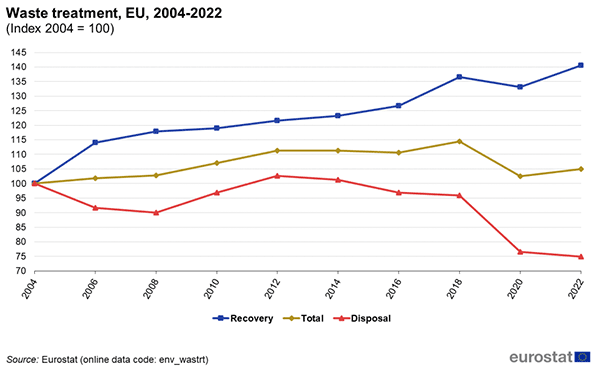
The trend in the U.S. is moving in the right direction, but enormous potential remains untapped.
Consider Germany, again, which has roughly 9,000 biogas plants and around 70 waste incineration plants in operation.
Since 2015, waste in Germany can no longer be deposited untreated in landfills. According to the legally prescribed waste hierarchy, avoidance, reuse and recycling are the most sensible approaches to dealing with waste. Energy recovery from waste, i.e., incineration, ranks fourth in the hierarchy. Roughly 90 percent of Germany’s waste incineration plants have combined heat and power generation, meaning they produce electricity and heat. The total thermal output of waste incineration plants is 7.5 gigawatts. The total energy exported as electricity, heat or steam from waste incineration plants and refuse-derived fuel (RDF) power plants amounted to 136 petajoules in 2016. This corresponds to 1.5 percent of total final energy consumption in Germany and 6 percent of final energy consumption in households.
In the Gruen-OPTI project, scientists at Witzenhausen-Institut GmbH in Germany are working on how green waste in Germany can be collected, processed and recycled for material and energy recovery in the best way possible. To this end, they surveyed the operators of 175 treatment plants in Germany, documenting and evaluating the existing collection systems and facilities.
Around three-quarters of the green waste composting plants operated by the waste disposal companies surveyed separate woody materials before and/or after composting for fuel recovery. The main marketing channel for this fuel is delivery to biomass heating (power) plants. On average, the plants sort out around 18 percent of the green waste brought in as a fuel fraction. The researchers assume that thermal recycling of up to 30 percent would be possible.
The trend is clearly moving toward recovery, not only in Germany but throughout Europe. Although this is leading to a battle over distribution, it also is resulting in more efficient processes to optimize the input-output ratio. However, the European model is far from perfect, particularly in terms of costs and bureaucracy.
What is the situation in the American market? Over the last decade, U.S. waste-to-energy plants generated around 14,000 gigawatt hours of electricity annually, according to data from the Power Plant Operations Report from the U.S. Energy Information Administration. That amount accounts for less than 1 percent of electricity generation in the United States compared with 1.5 percent in Germany.
Therefore, with the right strategy, waste separation, waste recycling, material flow management and power plant strategy, doubling energy output is anything but unrealistic.
Let's look at the regulations that further reinforce this development.
National Strategy for Reducing Food Loss and Waste and Recycling Organics
On June 12, 2024, the White House, along with EPA, the U.S. Department of Agriculture and the U.S. Food and Drug Administration, released the "National Strategy for Reducing Food Loss and Waste and Recycling Organics." This strategy is part of a series of strategies for building a more circular economy. Its goal is to prevent lost and wasted food and increase recycling of food and other organic materials, reducing greenhouse gas emissions, saving households and businesses money and building cleaner, healthier communities. As of now, the current administration has not stopped this national strategy.
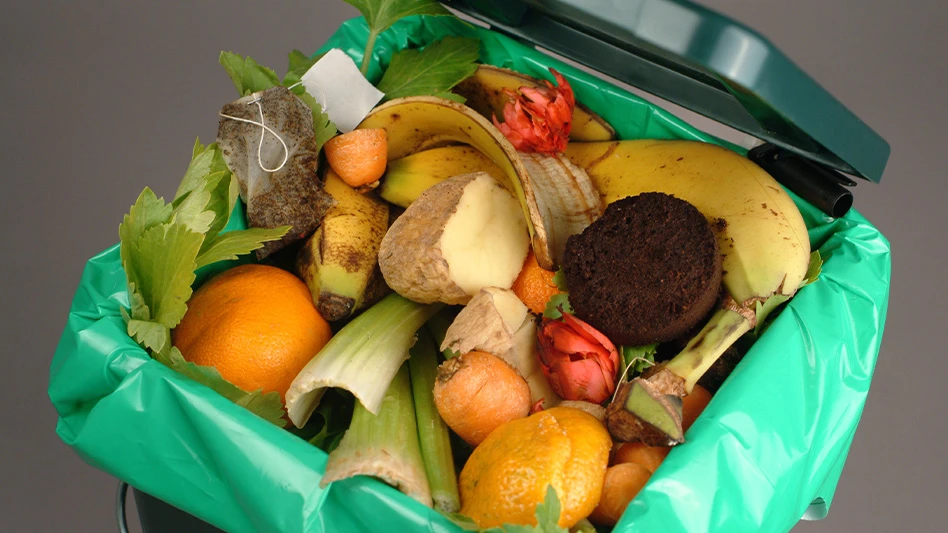
At the heart of the strategy is waste diversion—shifting organic material from landfills into productive systems. Biogas facilities convert compostable waste—vegetable scraps, fruit peelings, yard trimmings—into methane-rich gas and nutrient-rich digestate. This process closes the loop on organic waste, turning environmental liabilities into economic and ecological value.
With the right type of facilities and power plants alongside complementary recycling systems, market participants can implement a scalable and efficient circular economy blueprint. This is a model that has been profitable on the European continent, including in Germany, for decades.
The breakdown of organic waste in landfills releases potent greenhouse gases—primarily methane. Biogas conversion captures this gas for clean energy, greatly reducing emissions. Empirical carbon modeling via life cycle assessments (LCAs) in European facilities has shown emissions reductions compared with landfill baselines. Scaling this infrastructure in the U.S. can reduce GHG emissions significantly while directly supporting one of the most basic economic objectives: growth.
Organic waste disposal is costly and inefficient. Biogas facilities transform tipping fees into energy. And that’s not all. In addition, they can add revenue from the sale of American-made fertilizers by transforming the byproducts with a scalable system. The digestate byproduct serves as nutrient-rich fertilizer, cutting input costs for farmers and municipalities by huge margins while generating sustainable energy income. Other byproducts, such as ammonia, can be sold to the chemical industry. Applying this scalable model in the U.S. would provide a multifaceted financial upside: reduced environmental regulatory costs, additional revenue streams and accessible clean energy.
Biogas digesters mitigate smells, unsightly dumping and leachate that can contaminate water supplies if managed incorrectly, while integrated plants promote resource recovery and community engagement around renewable energy and fertilizer.
The U.S. possesses enormous organic waste streams—from urban food markets to agricultural byproducts. Yet only a fraction of the full potential is currently processed through anaerobic digestion.
By converting waste gas into power, heat and nutrient inputs, biogas facilities concurrently advance all pillars of the national strategy. As food and yard waste collection systems are being expanded, the addition of biogas infrastructure completes the circular chain, aligning with federal funding incentives and regulatory frameworks designed to promote organics recycling.
Immediate Expansion of American Timber Production
Waste isn’t the only form of biomass the industry should be interested in. Regulatory dynamics open doors into new and related markets.
With the presidential action “Immediate Expansion of American Timber Production” signed March 1, 2025, President Trump states that the production of timber, lumber, paper, bioenergy and other wood products (timber production) is critical to the Nation’s well-being. Timber production is essential for crucial human activities such as construction and energy production. Furthermore, he states that recent disasters demonstrate that forest management and wildfire risk reduction projects can save American lives and communities.
“Immediate Expansion of American Timber Production,” therefore, rightfully underscores the strategic significance of the timber industry for the United States. With explicit emphasis on its indispensable role in construction, energy production and disaster mitigation, the directive reflects a renewed federal commitment to forest-based industrial revitalization. Within this context, the vast yet underused potential of biomass-based energy—particularly derived from forest and wood residues—stands at the center of an ecologically and economically sound energy strategy.
Timber production yields not only marketable logs but also large quantities of residual biomass: branches, bark, sawdust, thinning byproducts and insect-damaged wood. When left unmanaged, these residues accumulate on forest floors, creating the very fuel load that turns natural fires into catastrophic infernos, or ends up unused. Through anaerobic and thermochemical processes, these materials can be converted into sustainable base-load energy—electricity, heat and syngas—thereby reducing forest fire risk while supplying clean domestic power.
The executive order states unambiguously: “Forest management and wildfire risk reduction projects can save American lives and communities.” This can align with the operating model of market participants that link biomass energy projects to proactive forestry practices—clearing combustible underbrush, processing beetle-killed wood and thinning overgrown stands. What is exciting here is not only access to an energy source but also the synergy effect that serves the American public good. Such integrated approaches not only reduce wildfire severity but also activate economically dormant assets within U.S. forests.
Forest ecosystems across the nation face significant risks from pest infestations and wildfires. By providing a stable economic outlet for logging slash and underbrush, biomass processing creates incentives for proactive forest management—reducing wildfire fuel and mitigating forest health threats. As noted by forestry stakeholders, such bio-based use complements federal and state strategies to enhance fire resilience.
Furthermore, the order affirms timber’s importance to “construction and energy production.” By using biomass facilities to produce renewable heat and power, particularly in forest-rich rural or off-grid regions, forest-based energy becomes a critical complement to traditional construction and infrastructure sectors—ensuring energy independence while advancing climate resilience as a side effect. This is because the CO2 bound in wood is ultimately released, whether through the decay of the tree or in energy production. However, energy production also serves the overall market. This dual-purpose utility underscores why biomass deserves federal prioritization alongside conventional timber outputs.
Addressing The Threat to National Security from Imports of Timber, Lumber and their Derivatives & Adjusting imports of Timber Lumber and their Derivative Products into the United States
Wood-based biomass is furthermore strengthened by other regulatory frameworks in "Addressing The Threat to National Security from Imports of Timber, Lumber and their Derivatives," March 1 and "Adjusting imports of Timber Lumber and their Derivative Products into the United States," Sept. 29.
Secretary of Commerce Howard Lutnick concluded, and the president concurred, that high quantities of wood product imports, often supported by foreign subsidies and unfair trade practices, are weakening the U.S. wood industry.
This weakening leads to mill closures, job losses and diminished domestic production capacity, making the U.S. potentially unable to meet crucial demand for wood products necessary for national defense and critical infrastructure (e.g., housing, munitions components, missile defense, power grid, transportation). Wood products are deemed essential inputs for the Department of War and multiple critical infrastructure sectors, directly linking the domestic industry's health to national security and economic stability.
The actions are intended to strengthen supply chains, bolster industrial resilience, create high-quality jobs and incentivize domestic capital investment and innovation to curb reliance on foreign imports.
By laying out these market dynamics and opportunities, you can see at a glance that now is the time to leverage the untapped potential of the American biomass market. A stringent strategy now can combine corporate and national interests. Security policy implications, a broader and independent energy mix, revenue growth, import-independent energy sources, environmental and forestry control and more can be implemented with the right concept and synergistic effects.
Max Meier is an entrepreneur, lawyer, and supervisory board member who combines expertise in capital markets, M&A, and private equity with operational management experience in companies and entrepreneurial family offices. He is managing partner of a German-Swiss investment company and managing partner of a bioenergy company in Europe specializing in biomass. In his supervisory board and advisory board mandates, he is responsible for controlling assets worth billions.
Latest from Waste Today
- Fleetio launches AI capability to accelerate fleet maintenance approvals
- Recycle Ann Arbor extends drop-off station operating hours
- Sybilion seeks to help manufacturers confidently address volatility
- Ecowaste Solutions partners with city of Trinity, Texas
- Bristal Hauling acquires G&R Garbage Disposal
- Baltimore trash collection expected to slow as WTE facility closes for maintenance
- Landfill Insights | Connecting the dots: Policy to practice
- FCC Environmental Services awarded collection contract in Florida