sitthiphong | AdobeStock
Anaergia Inc., a waste-to-energy company based in Burlington, Ontario, has announced its equipment has been integrated with a wastewater treatment plant in Highland, California. The new facility, owned and operated by East Valley Water District and known as the Sterling Natural Resources Center (SNRC), held a ribbon-cutting ceremony this month.
According to a news release from Anaergia, the SNRC will recycle water to replenish local groundwater and convert wastewater solids and food waste into renewable energy and organic fertilizer. It will also serve as a community center for education and local events.
All wastewater and food waste entering the plant will be converted into resources, and the facility will supply electricity to the grid for its needs.
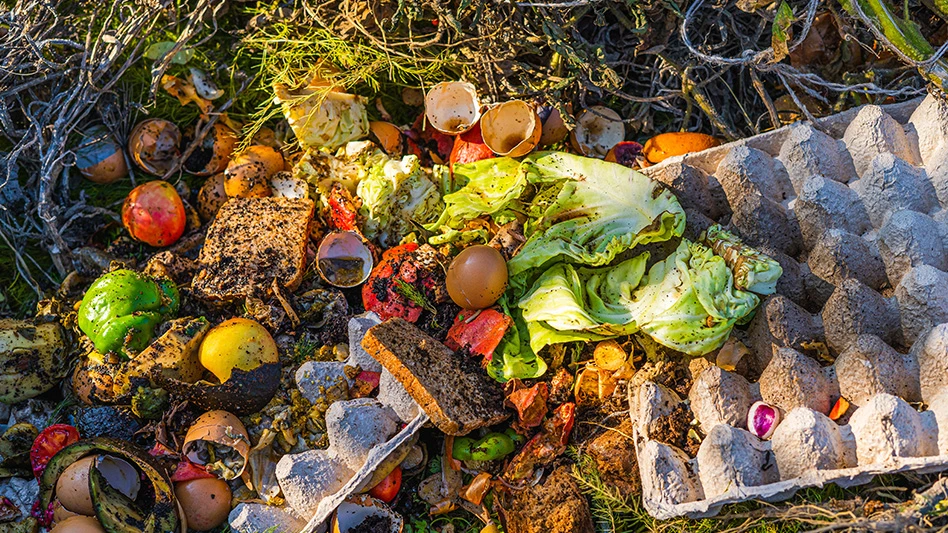
The SNRC will use Anaergia’s advanced anaerobic digestion technology to convert up to 130,000 gallons of food waste daily and its sewage biosolids into biogas. The biogas will be used to generate three megawatts of renewable electricity, enough to meet all the facility’s energy needs and add renewable power to the electric grid.
Additionally, the plant will use membrane technology made by Anaergia’s affiliated company Fibracast to recycle up to eight million gallons of wastewater daily. Residues left over after energy is produced will be converted to valuable biochar, a natural fertilizer that will be sold and used to enrich farmland soil.
“Thanks to the leadership of East Valley Water District, the SNRC will make two paradigm shifts on how humanity builds wastewater facilities in the future,” says Andrew Benedek, chairman and CEO of Anaergia. “The first paradigm shift is to make every wastewater plant maximize its resource recovery, reducing impacts to the environment. The second paradigm shift is to make such plants a social benefit and not a smelly eyesore.”
Benedek says he believes this facility will serve as a catalyst for positive change due to its park-like setting, its community center and the vocational training programs associated with the SNRC.
Latest from Waste Today
- Interchange 360 to operate alternative collection program under Washington’s RRA
- Waste Pro files brief supporting pause of FMCSA CDL eligibility rule
- New Way Trucks expands US network with Joe Johnson Equipment
- Tire Industry Project publishes end-of-life tire management guide
- Vecoplan to present modular solutions at IFAT 2026
- Terex Ecotec appoints Bradley Equipment as Texas distributor
- My Green Michigan expands depackaging capacity
- Washington selects Circular Action Alliance as PRO