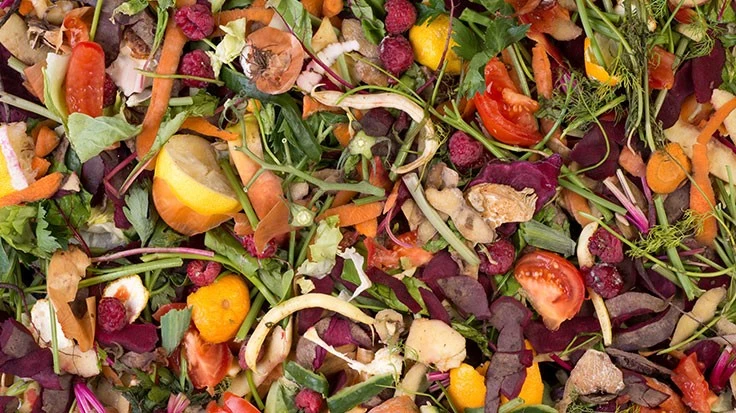
The California Department of Resources Recycling and Recovery (CalRecycle), Sacramento, California, announces that it is supporting Food Waste Prevention Week March 5-9 to raise awareness about the environmental and economic costs of food waste and to help Californians reduce the amount of food that ends up in the trash.
On average, a family of four spends about $1,500 more per year on food than necessary because of the amount they throw out. Money spent along the food production chain, including the cost of energy, water, fertilizer, harvesting, production, storage and transportation is also wasted. In all, Californians throw away almost 12 billion pounds of food each year. That amounts to 18 percent of all the material that goes to landfills in the state.
In a state where one of eight people are food insecure, food is the largest single component of California’s disposal stream.
CalRecycle encourages Californians to take simple actions to prevent food waste. For example:
- Planning meals for the week before going shopping and buying only the items needed to prepare those meals. By making a shopping list with weekly meals in mind, Californians can save money and prevent food waste.
- Looking in the refrigerator and cupboards first to avoid buying unnecessary food, and making a list each week and planning upcoming meals around that food.
- Freezing food such as bread, sliced fruit, meat or other items that can spoil quickly. Freezing food is one of the most effective methods for preserving food at home.
- When preparing meals, using the edible parts of food that are normally discarded.
- Learning the difference between “sell-by, “use by,” “best-by,” and other expiration date labels to prevent wholesome food from being disposed.
Food reduction strategies can reduce more than 20 pounds of food waste per person, per month, which can reduce California’s greenhouse gas emissions and combat global climate change. When sent to landfills, food and other organic waste decomposes and generates methane, a pollutant with a heat-trapping effect at least 86 times greater than carbon dioxide, CalRecycle says.
To help further educate the public about food waste, CalRecycle, the California Department of Food and Agriculture, and the Governor’s Office of Planning and Research are joining forces with the Natural Resources Defense Council and the Ad Council on a food waste reduction campaign known as Save the Food. The campaign offers tips on storing leftover food, understanding “sell by” dates, wasting less food with kids, shopping efficiently and reviving droopy produce. The Ugly Fruit And Veg Campaign encourages people to use imperfect-looking produce to prevent nutritious fruits and vegetables from becoming waste.
Food waste prevention is key to achieving the state’s 75 percent recycling goal and reducing waste in landfills. Additionally, food waste prevention is critical to achieve a 50 percent reduction in the disposal of organic waste by 2020 and a 75 percent reduction by 2025, as required by state law.
As part of California’s comprehensive strategy to combat climate change, CalRecycle awarded $9.4 million in January to 31 projects that will decrease the amount of food waste landfilled in California and increase the state’s capacity to collect, transport, store and distribute more food to Californians in need.