cn0ra | stock.adobe.com
Editor’s Note: This story has been updated with the correct figures from Canada’s most recent investment in 2025.
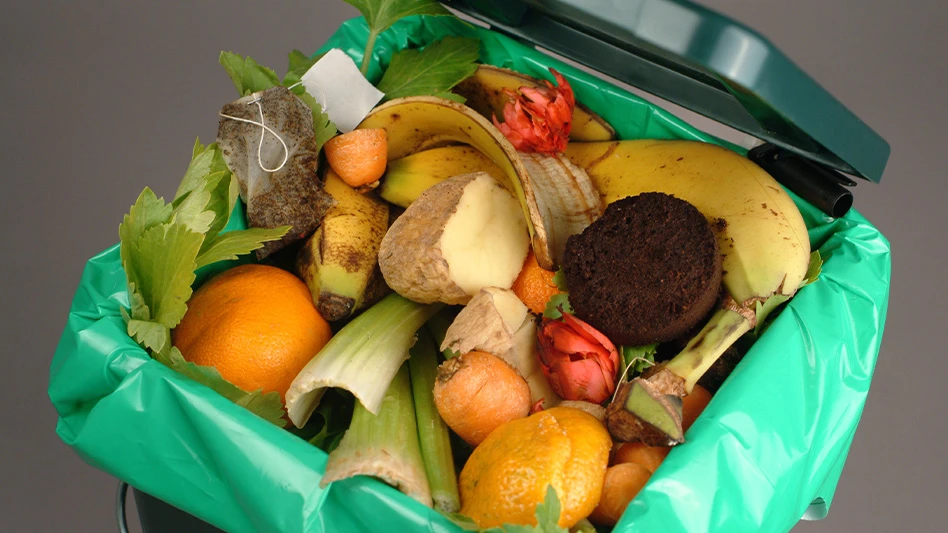
The Canadian government is investing more than $640,000 to support local government research and capacity-building initiatives to reduce the amount of food and other organic waste sent to landfills.
Under the Food Waste Prevention and Diversion: Research and Capacity Building Fund, five Canadian cities are receiving up to $150,000 for their projects. The fund was launched in 2023 with a $570,000 investment.
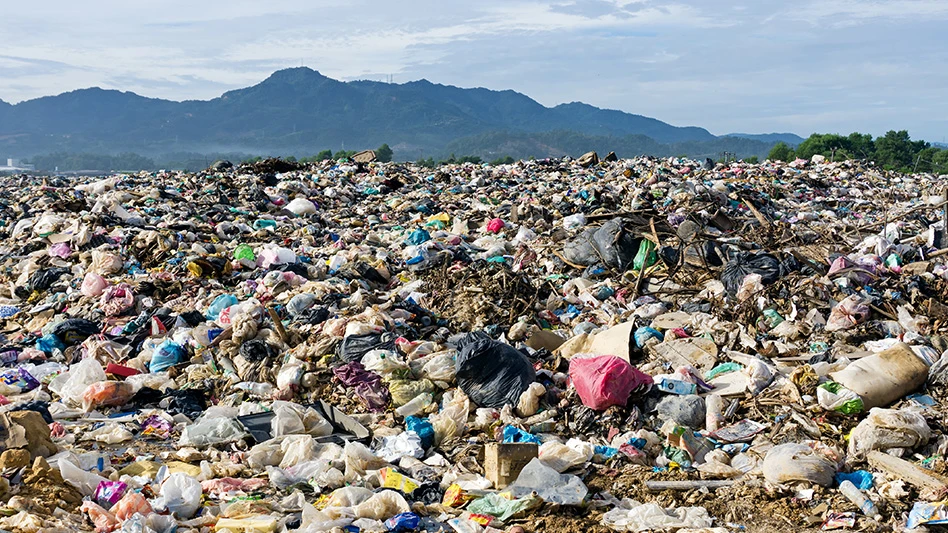
According to officials, food is the largest type of waste that Canadians send to landfills annually. When disposed of in landfills, food and other organic waste produce methane, a powerful greenhouse gas. Reducing food waste disposal is an effective way to lower landfill methane emissions and protect the environment.
The fund aims to help foster collaborative partnerships, increase knowledge of best practices and bolster initiatives related to food waste policy and programming across Canada. At the time of its inception, officials projected to reduce the amount of organic materials going to landfills and will also contribute to achieving overall national waste reduction goals of 30 percent by 2030 and 50 percent by 2040.
Canada’s plan to reduce methane emissions is outlined in its National Methane Strategy, which it says fulfills its international commitments under the Global Methane Pledge to release its economy-wide methane reduction strategy.
Since 2022, Canada says it has invested $1.4 million to support local industry associations, non-profit organizations, academic institutions and local governments to take action to reduce the quantity of biodegradable waste disposed in landfills annually.
Latest from Waste Today
- Fleetio launches AI capability to accelerate fleet maintenance approvals
- Recycle Ann Arbor extends drop-off station operating hours
- Sybilion seeks to help manufacturers confidently address volatility
- Ecowaste Solutions partners with city of Trinity, Texas
- Bristal Hauling acquires G&R Garbage Disposal
- Baltimore trash collection expected to slow as WTE facility closes for maintenance
- Landfill Insights | Connecting the dots: Policy to practice
- FCC Environmental Services awarded collection contract in Florida