Kevin Ruck | stock.adobe.com
The city of Chattanooga, Tennessee, launched two pilot programs Oct. 1 aimed at diverting waste from landfills.
In partnership with Chattanooga-based businesses NewTerra Compost and Overlooked Materials, the city is offering free curbside food waste composting and glass recycling collection to select residents until June 2026.
Chattanooga’s Local 3 News reports that 750 residents will now have free access to curbside pickup of food scraps and glass and another 250 will have access to composting kiosks.
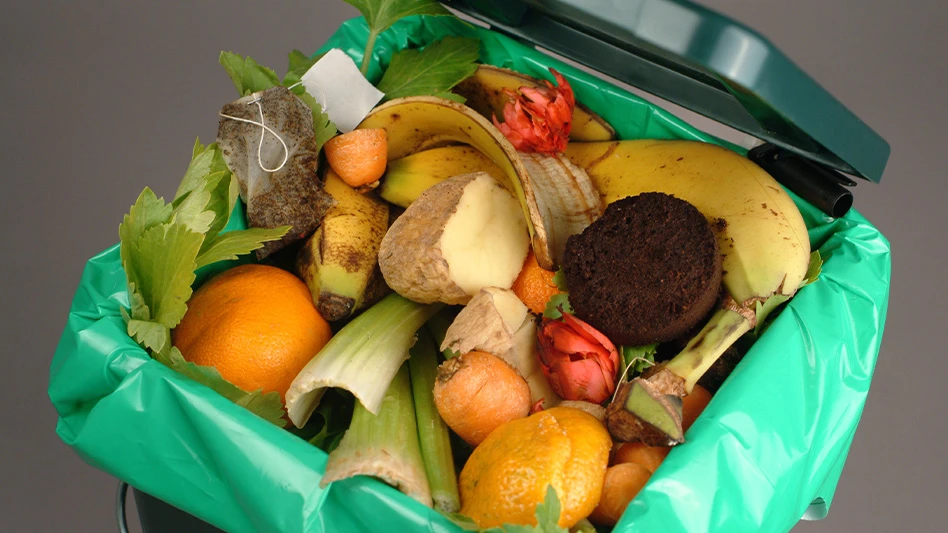
Food scraps collected through the program will be processed by NewTerra Compost to create soil that can be used by local farms, community gardens and schools. NewTerra accepts all food scraps as well as labeled compostable products.
“Overall, this pilot marks the beginning of something big for Chattanooga’s Public Works,” NewTerra Compost Project Manager Natalia Artz says. “Every pound of food waste we divert from the trash means lower landfill costs, less methane being created and more organic nutrients being returned to the soil.”
RELATED: Chattanooga, Tennessee, company offers curbside glass recycling
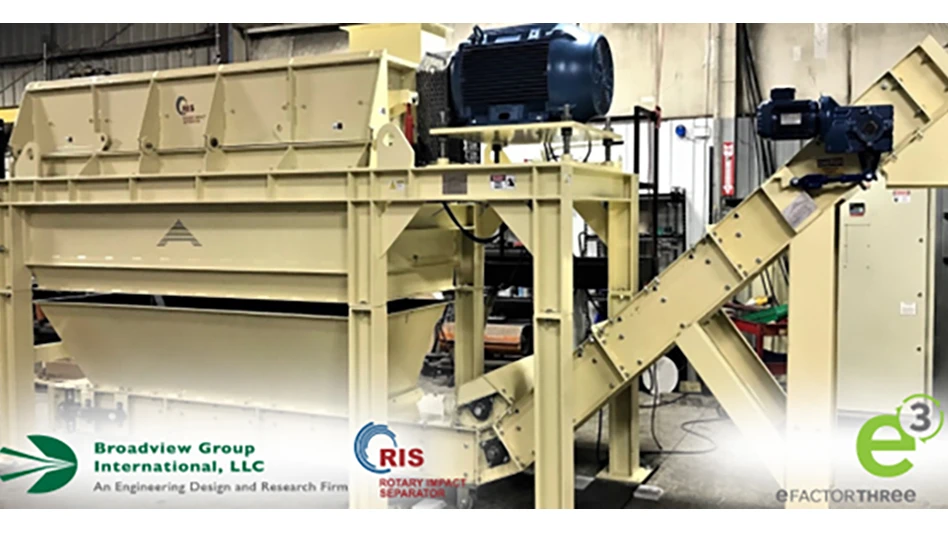
Overlooked Materials will collect and recycle the glass, converting it to sand and gravel, which the city says also can be used locally. The company processes collected glass in a local facility using a glass pulverizing system and can convert up to 4,000 tons of glass per year into different grades of sand and aggregate products.
“These local uses reduce our need to mine our region’s mountains, create more circular products and reduce the burden on our landfills,” Chattanooga’s public works department writes in a press release.
In addition to curbside pickup in the pilot area, drop-off kiosks will be installed at each of Chattanooga’s five recycling centers, accessible to all residents within city limits.
The composting program has been funded through an organics management grant from the Tennessee Department of Environment and Conservation’s (TDEC’s) Division of Solid Waste Management.
Latest from Waste Today
- Fleetio launches AI capability to accelerate fleet maintenance approvals
- Recycle Ann Arbor extends drop-off station operating hours
- Sybilion seeks to help manufacturers confidently address volatility
- Ecowaste Solutions partners with city of Trinity, Texas
- Bristal Hauling acquires G&R Garbage Disposal
- Baltimore trash collection expected to slow as WTE facility closes for maintenance
- Landfill Insights | Connecting the dots: Policy to practice
- FCC Environmental Services awarded collection contract in Florida