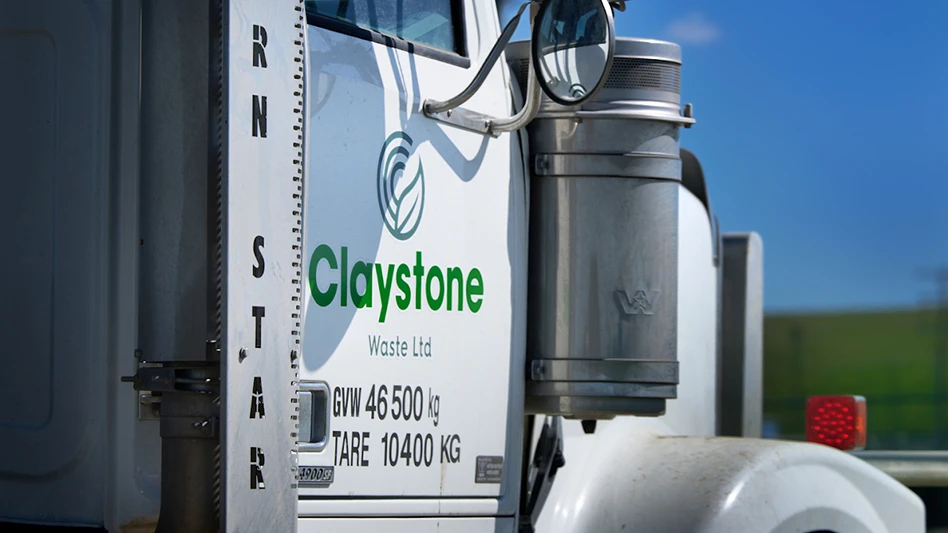
Photo courtesy of Claystone Waste
Claystone Waste, a municipally controlled corporation that provides waste and recycling services in central Alberta, has announced that its compost facility in Beaver County, Alberta, is expanding.
The planned expansion will double Claystone’s composting operational capacity at its Ryley, Alberta, facility from 20,000 metric tons to 40,000 metric tons annually.
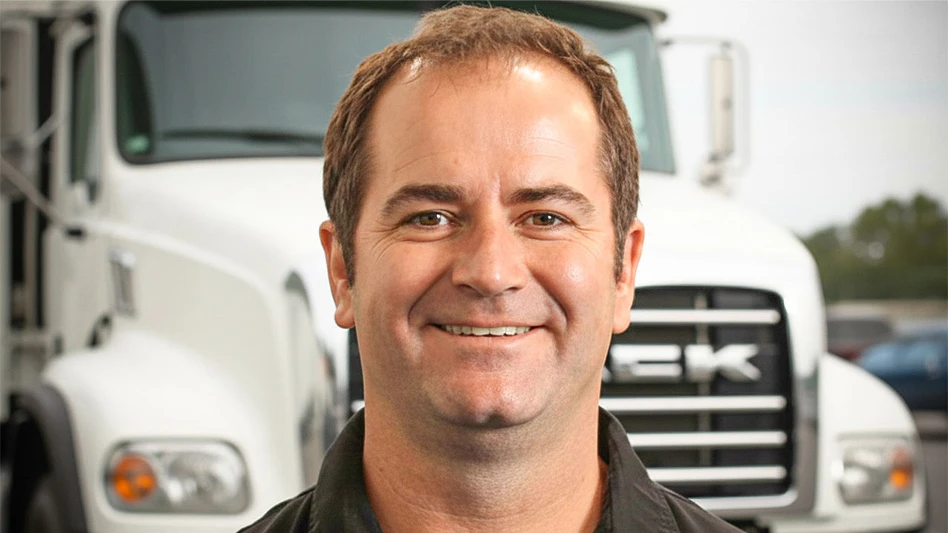
“Since inaugurating our state-of-the-art composting facility, our mission has been to evolve our services and infrastructure continuously to meet demand responsibly,” Claystone CEO Corey Popick says. “This expansion allows us to significantly improve our support for municipal organics programs and commercial customers so that we can meet the sustainability objectives of our region."
Claystone says it will continue to build its compost processing capabilities over the coming years through organics diversion programs at a new transfer station in Edmonton, Alberta.
The Claystone Edmonton transfer station, scheduled to begin operating soon, is designed to be a pivotal commercial hub for the collection of industrial, commercial and institutional (ICI) generated organics and other waste products.
“Pioneering solutions in waste management is at the core of what we do at Claystone," Popick says. "We are excited to embark on this next phase, and we look forward to continuing our partnerships with municipalities and businesses to help them reach their waste diversion targets.”
The Canadian firm says by expanding its existing composting facility and using the upcoming Edmonton transfer station it is set to play a crucial role in advancing waste diversion and sustainability efforts in the Edmonton metropolitan region for years to come.
Meryl Whittaker, chair of the Claystone Waste board of directors, says expanding the company’s composting capabilities is a strategic decision to help governments and businesses achieve a circular economy.
“At Claystone, we’re serious about supporting a circular economy,” Whittaker says. “Expanding our compost facilities isn’t just about growing our business; it's about our commitment to sustainability. Through expansions, we aim to turn organic waste into something useful, reducing waste and improving soil health.”
Latest from Waste Today
- Vermeer announces plan to build new facility in Des Moines metro area
- Buffalo Biodiesel shares updates on Part 360 application to DEC, Tonawanda facility progress
- Capstar Disposal expands roll off dumpster rental services
- Supreme Court strikes down IEEPA tariffs
- Casella details facility closures, expansion efforts
- Zero harm: Building a SIF prevention program for waste and recycling operations
- Casella posts a loss in Q4 2025
- McNeilus names Haaker Equipment first Dealer Partner of the Year