Photo provided by Dreamstime
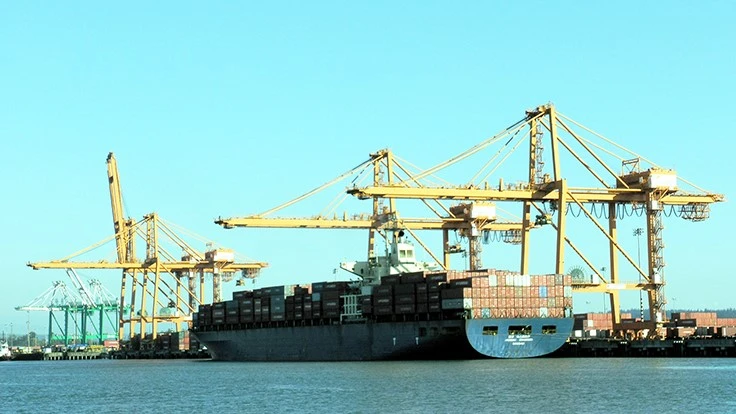
The supply chain and container shipping seascape have changed radically in the past few months. The type of stress felt by recyclers and other shipping customers also might have changed, but the amount seems to be just as present as it was in 2021 and earlier this year.
According to a report by CNBC, based on examining statistics conversations with several logistics industry sources, container traffic between China and the United States was down 21 percent in November compared with August.
The drop in demand has occurred at the same time many shipping lines have ramped up capacity in response to accusations in 2020 and 2021 that undercapacity was resulting in sky-high, burdensome rates.
Analysts quoted by CNBC say U.S. retailers and wholesalers have completed stocking up for the holiday shopping season, prompting one reason for the shipping decline. That seasonal slowdown will be quickly followed by Chinese manufacturers taking extended leave for the Chinese New Year holiday, which begins Jan. 22, 2023.
The latest phenomenon that has logistics and freight staff members scrambling involves “blank sailings,” or container ship voyages that had been accepting bookings but are subsequently canceled.
At the 2022 Paper & Plastic Recycling Conference Europe, held in mid-November in Rotterdam, Robert Powell of United Kingdom-based Miro Logistics said global container port congestion that characterized much of 2021 and the first half of 2022 is “easing to over.”
He warned, however, of the increasing occurrence of blank sailings, saying the tactic is tied in part to shipping lines phasing out older vessels as they introduce new ones.
Powell predicted the phenomenon was “set to get worse” between late 2022 and at least March 2023. “It’s their way to raise rates,” Powell said of the shipping line tactic.
As a tactic to raise rates, however, it may not be enough to quickly reverse a wider trend toward lower rates, Powell said, noting at that time that rates being charged by shippers had declined 50 percent to 70 percent and “the market is still softening.”
Recyclers shipping containers to the Far East have access to “pretty much unlimited” capacity, he added, and container bookings to India are “not a problem at the moment.”
Powell later told Recycling Today that China’s rejection of imported plastic and paper scrap meant containers on a backhaul from North America or Europe stood a 95 percent chance of being sent empty to Chinese ports. Previously, he said recyclable materials helped keep that empty container rate closer to 75 percent.
Latest from Waste Today
- Interchange 360 to operate alternative collection program under Washington’s RRA
- Waste Pro files brief supporting pause of FMCSA CDL eligibility rule
- New Way Trucks expands US network with Joe Johnson Equipment
- Tire Industry Project publishes end-of-life tire management guide
- Vecoplan to present modular solutions at IFAT 2026
- Terex Ecotec appoints Bradley Equipment as Texas distributor
- My Green Michigan expands depackaging capacity
- Washington selects Circular Action Alliance as PRO