The city of Dayton, Ohio, is enacting changes in its municipal recycling program in an effort to cut down on contamination, WHIOTV7 reports.
The city will soon be enforcing a three-strike policy where serial offenders face having their recycling containers confiscated after two prior warnings when contamination is identified. The city’s Department of Public Works sent a letter to residents before the program was implemented to lay out the new policy and remind residents of what is supposed to go in the bin.
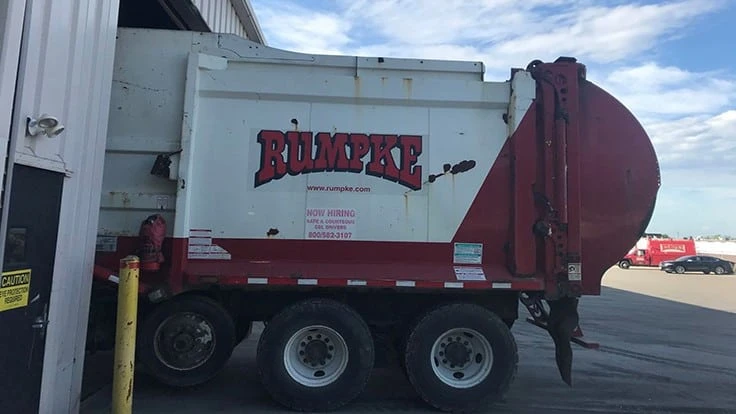
Colerain, Ohio-based Rumpke Waste & Recycling collects waste and recycling in the city.
According to Fred Stovall, director of public works for the city of Dayton, the more contamination Rumpke has to sort at their MRFs, the higher the cost of disposal for residents.
“Not putting the right thing in your recycling container makes it contaminated trash,” Stovall says.
“If [Rumpke has] to spend more time sorting through the stuff, that’s more time and labor for them to do that so that drives up our cost,” Stovall continues.
Under the new initiative, sanitation workers will leave behind a sticker explaining what can and can’t be recycled upon first noticing contamination. A letter will be sent in the mail upon second notice, and the resident’s recycling bin may be confiscated for up to a year when a worker notes contamination for a third time.
Gayane Makaryan, corporate communications manager for Rumpke, says that eliminating contamination is important from both a safety and maintenance standpoint for the company.
“The No.1 priority for us is safety,” Makaryan says.
Makaryan notes that plastic bags are among the biggest sources of contamination that the company is looking to guard against.
“They are a big nuisance for us because they can get caught in machines. So, now we have to stop the process, stop operations, everything we are doing, we have to get an employee in there to cut the plastic bags out, so they can cause issues,” Makaryan says.
While the city is dedicated to cracking down on contamination, sanitation workers aren’t going to necessarily be doing bin checks. Instead, Stovall says workers will be relying on the weight of the container to identify bins that have incorrect materials in them.
“They can tell by the weight of the container when they pick it up if you have empty plastic containers inside or if you put food in there or you put some garden hoses or metal,” Stovall says.