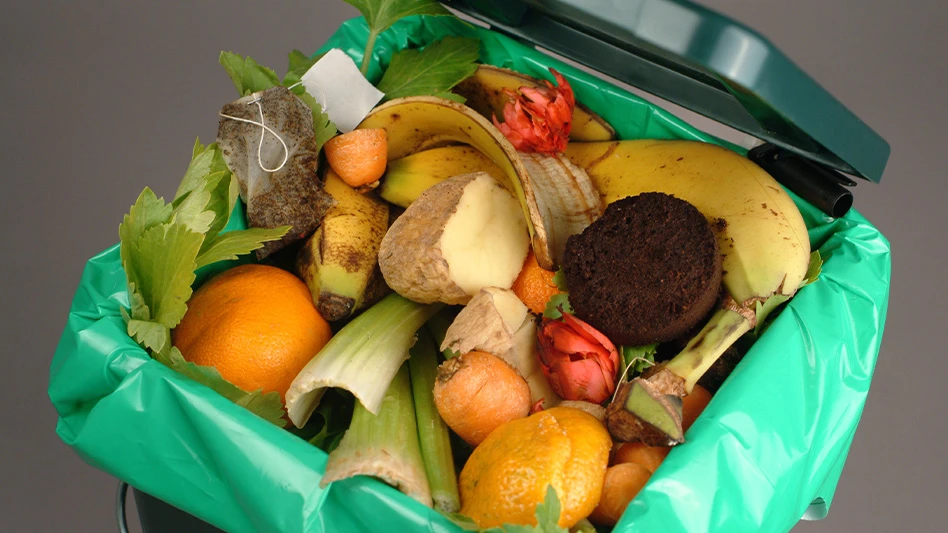
Dickinson College in Carlisle, Pennsylvania, is planning on using food waste produced at its cafeterias to power operations at two farms associated with the school, The Philadelphia Inquirer reports.
The school will send the 1,000 pounds of food waste it generates every day to a 75,000 gallon biodigester manufactured by Belgium-based Biolectric. Along with Dickinson’s food waste, cow manure, grain from local brewers and other food waste sources will act as feedstock and the resulting gas will be converted into electricity that will help power an 80-acre organic farm the school owns and an adjacent dairy farm it leases. Excess power will be sent to the local electric grid.
This initiative was aided by a $300,000 grant from the Environmental Protection Agency (EPA), which went towards the purchase of the biodigester tank and other equipment. The total cost of the project is $1 million, and the balance of the cost will be offset by a USDA grant and money allocated from the school.
A school representative says that the biodigester, which is slated to begin operation by fall 2021, will be able to produce up to 300,000 kilowatt hours of energy a year. In total, the project will reduce the school’s overall carbon emissions by 120 metric tons annually, the school says.
Dickinson College purchased the digester from Tipton, Missouri-based Martin Energy Group Services, who will also install the digester.
Latest from Waste Today
- WeSort.AI recovers critical raw materials from recycling plants
- Collective Waste Solutions acquires Alcop Resource Recycling transfer station
- A blueprint for curbside composting
- Aemetis narrows net loss in 2025
- Fleetio launches AI capability to accelerate fleet maintenance approvals
- Recycle Ann Arbor extends drop-off station operating hours
- Sybilion seeks to help manufacturers confidently address volatility
- Ecowaste Solutions partners with city of Trinity, Texas