Photo from Waste Today photo archives
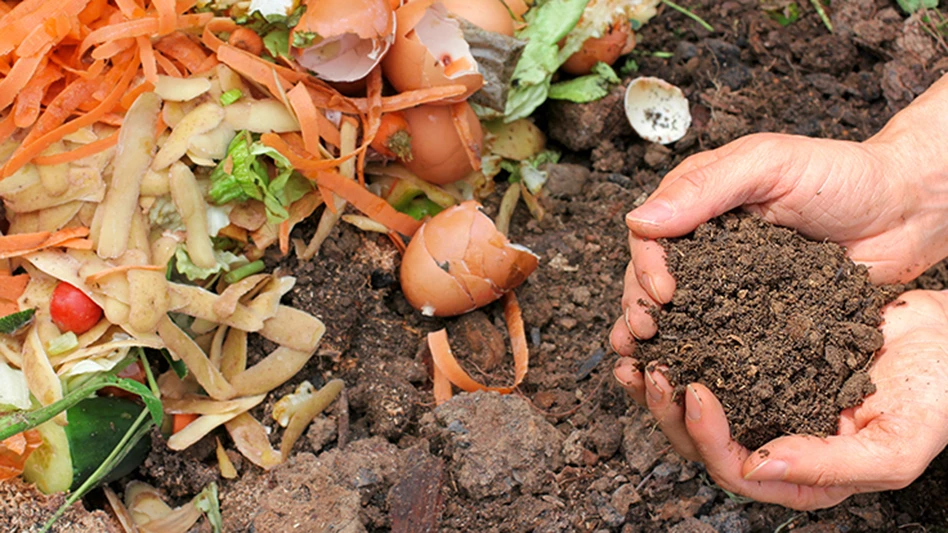
The city of Durango, Colorado, is considering mandating composting as a way to provide municipal composting services to residents, The Durango Herald reports.
However, challenges with the city’s code and establishing a reasonable fee structure have been obstacles highlighted at recent city meetings.
According to a regional waste study conducted in 2015, about 20-25 percent of the city’s waste stream is food waste. The city has made progress in recent years through a public-private partnership with Table to Farm Compost, a Durango-based company that offers organic waste collection and composting services, but officials are seeking a more widescale approach.
The city’s sustainability manager, Marty Pool, tells The Durango Herald that reducing greenhouse gas emissions by diverting organic waste from landfills supports the city’s sustainability goals. To effectively expand efforts, he says a mandatory municipal composting program may be needed.
A market study conducted by the city and Table to Farm, which asked residents to complete surveys in exchange for three months of composting service, found that the cost of service is the main barrier to residents. Table to Farm charges $28 a month to pick up and process customers’ food and wood waste, but survey results showed residents would be more receptive to fees of about $15 a month.
Pool says the feedback isn’t surprising. The city’s recycling service had a similar reception about a decade ago, which prompted the city to mandate residential recycling services before expanding to more comprehensive services in the commercial sector.
Before pursuing a municipal compost program, Pool says the city needs to update its land-use codes to set service fees and explore budget allocations for possible program subsidies.
As reported by The Durango Herald, Table to Farm currently collects about 1,600 tons, or 3,200 cubic yards, of organic waste per month and has a maximum processing capacity of 18,000 cubic yards.
The city is currently looking into allocating funding to subsidize Table to Farm and reduce fees for residents, Pool says. The state-mandated 10-cent single-use bag fee that went into effect at grocery stores and major retailers on Jan. 1 could be a funding source, but the city doesn’t know how much revenue to expect from those fees in the coming years.
Councilors supported looking closer at options for city code revisions and budget allocations.
Latest from Waste Today
- Vermeer announces plan to build new facility in Des Moines metro area
- Buffalo Biodiesel shares updates on Part 360 application to DEC, Tonawanda facility progress
- Capstar Disposal expands roll off dumpster rental services
- Supreme Court strikes down IEEPA tariffs
- Casella details facility closures, expansion efforts
- Zero harm: Building a SIF prevention program for waste and recycling operations
- Casella posts a loss in Q4 2025
- McNeilus names Haaker Equipment first Dealer Partner of the Year