olinchuk | stock.adobe.com
A new Washington-based not-for-profit organization called Full Circle Future says it will offer “bold solutions, breakthrough research and coalition power” to identify landfill diversion opportunities for food waste that heads to landfills in the United States.
Full Circle Future is a spinoff of Industrious Labs, another not-for-profit advocacy organization, that focuses on a wider range of environmental, pollution and emissions issues.
The new group calls itself “an advocacy organization dedicated to advancing equitable solutions to one of the biggest climate and public health opportunities of our time: organic waste.”
Full Circle Future will host a webinar Aug. 13 to share new research findings, momentum in key state policy efforts and opportunities for action.
“Landfills are literally out of sight, but for policymakers and advocates seeking solutions to our biggest problems, they should be top of mind,” Full Circle Future Executive Director Katherine Blauvelt says.
“The solutions are here—they’re proven, cost-effective and ready to scale. With the right investments and smart leadership, we can make the air safer to breathe, save people money, create good-paying local jobs and build a regenerative waste system that serves people. That’s the full circle future we’re committed to, and the momentum is only growing.”
As part of its launch, Full Circle Future has released an interactive Waste Impact Tracker, which it says allows U.S. residents to explore pollution data by state, county or individual landfill and learn how to support solutions in their own communities.
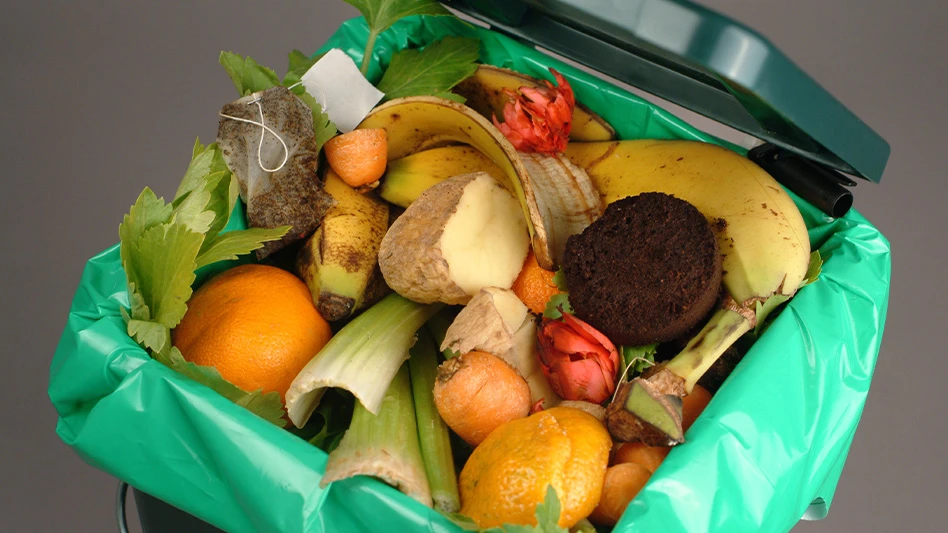
“The landfill pollution crisis also intersects with staggering levels of food waste and hunger; one-third of all surplus food—over 24 million tons—ends up decaying in landfills," the group says.
“This tool is about turning hard data into real power for communities,” adds Riikka Yliluoma, director of impact and systems at Full Circle Future. “By making this information accessible and local, we’re helping communities shine a spotlight on an overlooked crisis and equipping them to demand action where it’s needed most.”
The organizations says many landfills use outdated or insufficient technology and fail to monitor leaks effectively.
Full Circle Future says it also is working alongside partner organizations in Michigan and Maryland to advance policies that reduce food waste at the source and expand access to practical solutions, such as food recycling.
The organization says its staff has years of experience, having led major waste and methane reduction initiatives under Industrious Labs.
“The Industrious Labs team is proud of its work to incubate and grow the circular economy campaign, from a concept to the leading, high-impact operation it's become,” says Evan Gillespie, a partner at Industrious Labs.
“As part of Industrious Labs, the [Full Circle Futures] team contributed to groundbreaking work to update landfill emission standards in Washington and Colorado; pass legislation in Oregon to implement advanced landfill monitoring technology; launch a community composting project in Detroit; and spark a national conversation on landfill regulations. We can’t wait to see what the team will take on next.”
The organization says its name reflects its mission and method: “building a circular economy that regenerates, not pollutes, and taking a comprehensive approach to policy."
“This crisis is solvable in our lifetime,” Blauvelt says. “We couldn’t be more ready to build on the momentum we’ve started to usher in a more sustainable, equitable waste management infrastructure—from expanding organics recycling and food waste reduction efforts to updating landfill emissions standards.”
Latest from Waste Today
- Fleetio launches AI capability to accelerate fleet maintenance approvals
- Recycle Ann Arbor extends drop-off station operating hours
- Sybilion seeks to help manufacturers confidently address volatility
- Ecowaste Solutions partners with city of Trinity, Texas
- Bristal Hauling acquires G&R Garbage Disposal
- Baltimore trash collection expected to slow as WTE facility closes for maintenance
- Landfill Insights | Connecting the dots: Policy to practice
- FCC Environmental Services awarded collection contract in Florida