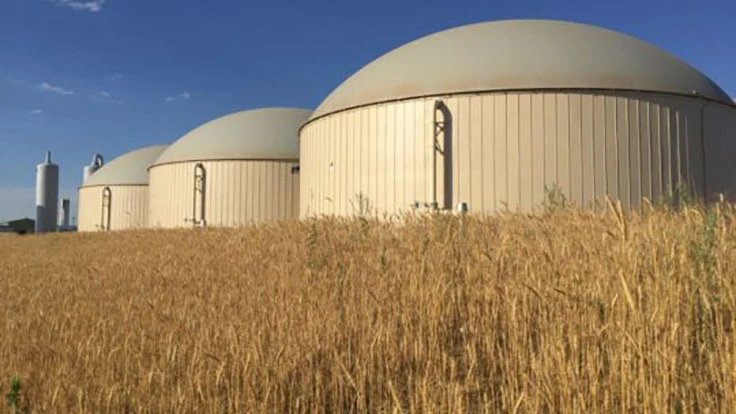
Heartland Biogas, a subsidiary of San Diego-based EDF Renewable Energy, had filed a lawsuit against Weld County, Colorado, in federal court claiming its decision to shut down the anaerobic digester located near LaSalle, Colorado, was “irrational,” a report by the Denver Post says. The $115 million facility was shut down after odor complaints.
Weld County commissioners suspended the special review permit for the facility on Dec. 19, the report says. The plant converted cow manure and food waste from local ranches into natural gas that was cleaned, compressed and injected into the Colorado Interstate Gas Company pipeline. According to the report, output of electricity from the plant was comparable to a 20 megawatt electrical plant, which also generated compost for local farms.
Since it became fully operational on November 2015, the report says, locals have complained of the odor emitting from the facility. Persistent complaints were made by 10 residents who made 80 percent of all the claims.
During its running time, the facility has exceeded odor limits outlined by the Weld County permit once, on April 27, the report says. After, Heartland spent $4.2 million in smell mitigation equipment and studies. County and state officials have performed 800 tests on the facility, the report says, but the plant never exceeded its limits set by the county.
On Sept. 19, Weld County commissioners limited the plant’s gas production by 60 percent, according to the report. Heartland implemented its odor equipment on Nov. 10. The lawsuit claims the outcome of the Dec. 19 hearing was predetermined.
Weld County commissioners suspended the special review permit for the facility on Dec. 19, the report says. The plant converted cow manure and food waste from local ranches into natural gas that was cleaned, compressed and injected into the Colorado Interstate Gas Company pipeline. According to the report, output of electricity from the plant was comparable to a 20 megawatt electrical plant, which also generated compost for local farms.
Since it became fully operational on November 2015, the report says, locals have complained of the odor emitting from the facility. Persistent complaints were made by 10 residents who made 80 percent of all the claims.
During its running time, the facility has exceeded odor limits outlined by the Weld County permit once, on April 27, the report says. After, Heartland spent $4.2 million in smell mitigation equipment and studies. County and state officials have performed 800 tests on the facility, the report says, but the plant never exceeded its limits set by the county.
On Sept. 19, Weld County commissioners limited the plant’s gas production by 60 percent, according to the report. Heartland implemented its odor equipment on Nov. 10. The lawsuit claims the outcome of the Dec. 19 hearing was predetermined.
Latest from Waste Today
- Vermeer announces plan to build new facility in Des Moines metro area
- Buffalo Biodiesel shares updates on Part 360 application to DEC, Tonawanda facility progress
- Capstar Disposal expands roll off dumpster rental services
- Supreme Court strikes down IEEPA tariffs
- Casella details facility closures, expansion efforts
- Zero harm: Building a SIF prevention program for waste and recycling operations
- Casella posts a loss in Q4 2025
- McNeilus names Haaker Equipment first Dealer Partner of the Year