Photo courtesy of Cleveland-Cliffs Inc.
Hydrogen is 14 times lighter than air, but a recent blog post by two staff members of Boston-based Lux Research says those planning to use the ultralight element to fuel vehicles could be subjecting hydrogen to some heavy lifting in their attempts to decarbonize.
In their mid-December post, Lux Research Senior Director Christopher Robinson and Analyst Anirudh Bhoopalam write, “In the year 2024, we can comfortably agree that the future of the automotive industry is electric. Considering that today’s hydrogen prices range from $15 per kilogram (kg) to $30 per kg, using any form of hydrogen essentially makes no economic sense.”
The duo consider the prospect of lower hydrogen prices if the energy sector can add scale. However, Robinson and Bhoopalam write, “The real challenge here isn’t that hydrogen can’t compete with diesel—in reality, regulations will likely drive up the cost of diesel in the future—it’s that the operational costs can’t remotely compete with electricity.”
In the freight sector, the duo concludes, “The fundamental value proposition of hydrogen as a trucking fuel is predicated on the assumption that batteries won’t be able to support long-range [or] fast charging. This is a risky assumption, especially given the technical feasibility of concepts like battery swapping, which can be deployed at scale to shorten ‘charging’ times and minimize impacts to the grid.”
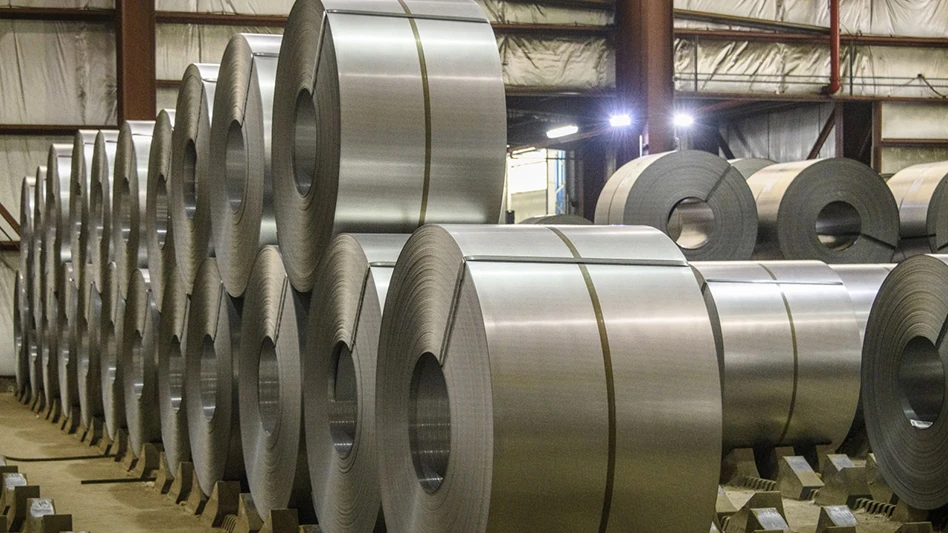
Research into hydrogen energy applications could yet bear fruit in stationary industrial applications such as steelmaking, according to the researchers.
“Energy clients should seek out existing users of hydrogen while targeting industrial users looking to hydrogen to decarbonize heavy industry as a more receptive and reliable long-term opportunity,” write Robinson and Bhoopalam.
In the steelmaking sector, several companies have announced hydrogen energy as part of their decarbonization plans. This includes blast furnace operators and producers who intend to replace their blast furnaces with electric arc furnaces fed with direct-reduced iron produced using hydrogen energy.
Latest from Waste Today
- Oregon DEQ issues enforcement order, $3M civil penalty to Valley Landfills
- Sierra International Machinery adds to sales team
- Vernon County, Wisconsin, landfill expansion remains stalled amid DNR delays
- Gregory Anderson appointed as DSNY commissioner
- Fort Point Capital invests in Boston Green
- Docket Dumpster Software evolves into Docket Waste Software
- McNeilus introduces AI material contamination detection technology
- Closed Loop report identifies opportunities to increase prescription pill bottle recycling