istockphoto.com
The Indiana Recycling Coalition (IRC), Indianapolis, has partnered with Indiana-based Purdue University’s Environmental and Ecological Engineering program to produce an in-depth study of the recycling infrastructure of a 10-county region in northwest Indiana. The study focuses on residential recycling activities via remote drop offs, curbside collection programs, and public and private recycling centers in the region.
IRC says the study was funded by a grant from the Wabash Heartland Innovation Network (WHIN) Regional Cultivation Fund, which is a consortium of 10 counties in north-central Indiana to promote manufacturing and digital agriculture. For the past 10 months, IRC engaged with the Indiana Department of Environmental Management (IDEM), six solid waste management districts, 18 municipalities, six private recycling centers, multiple material recovery facilities, and public and private haulers to better understand the regional recycling infrastructure. Topics studied included education efforts, contamination, access to recycling, material flow, program challenges and investment opportunities.
With the conclusion of the study, more than 45 region-specific recommendations were compiled, along with 13 top recommendations. Some recommendations include:
- investing in connectivity assets for solid waste management district recycling centers in northwest Indiana;
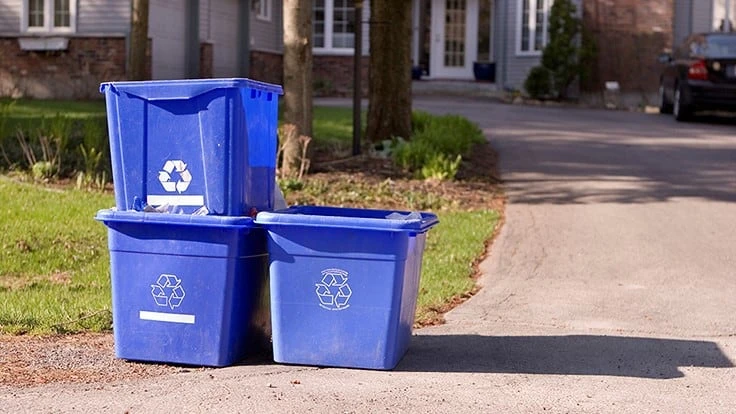
- standardizing, labeling and increasing the size of all curbside bins for recycling;
- rebuilding and expanding the Werner & Son recycling center;
- targeting and expanding collection of polypropylene and aluminum cans;
- pursuing segregated glass drop offs at solid waste management district recycling centers;
- developing food waste diversion programs; and
- mapping out the regional recycling system’s circularity.
“The project was an enlightening process, both from collaborating with our partners to develop methods of data collection and from analyzing and understanding the results of that data. We are excited about the recommendations within this report and the ways in which this effort will continue to impact future studies and investments in Indiana’s recycling industry and the greater circular economy,” says Allyson Mitchell, executive director of the IRC.
Emily Jackson, project lead for the IRC study, says she hopes the analysis and top recommendations from the study help to spark conversations that will lead to solutions for Indiana’s recycling system.
Both the IRC and Purdue University say they hope that the investment ideas proposed garner the interest of local, state and national funding groups, such as the WHIN Regional Cultivation Fund, IDEM’s Recycling Market Development Grant program and The Recycling Partnership, Falls Church, Virginia.
Click here to view the full report.
Latest from Waste Today
- Vermeer announces plan to build new facility in Des Moines metro area
- Buffalo Biodiesel shares updates on Part 360 application to DEC, Tonawanda facility progress
- Capstar Disposal expands roll off dumpster rental services
- Supreme Court strikes down IEEPA tariffs
- Casella details facility closures, expansion efforts
- Zero harm: Building a SIF prevention program for waste and recycling operations
- Casella posts a loss in Q4 2025
- McNeilus names Haaker Equipment first Dealer Partner of the Year