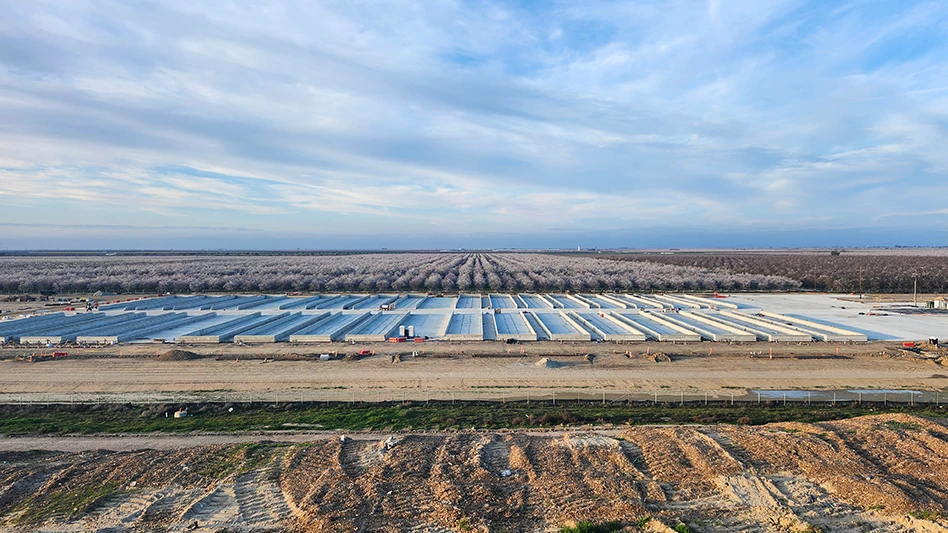
Photo courtesy of Kern County Public Works
California's Kern County Public Works celebrated the opening of its Shafter-Wasco Compost Facility Oct. 14.
The new facility, next to the Shafter-Wasco Landfill in Shafter, California, is expected to divert 100,000 tons of organic waste from landfills annually, helping Kern County and its incorporated cities meet their S.B. 1383 organic waste recovery and procurement goals. Construction of the facility began in April 2024 and was completed this September.
“The opening of the compost facility showcases what local government can accomplish with diligent planning and decision making,” Kern County Public Works Manager Dave Lee says. “The facility was 10 years in the making when considering the amount of permitting and planning involved with siting a new facility. Kern County now has a state-of-the-art facility that will divert 100,000 tons of organics from landfills annually and help improve regional air quality by reducing methane emissions and controlling [volatile organic compounds].”
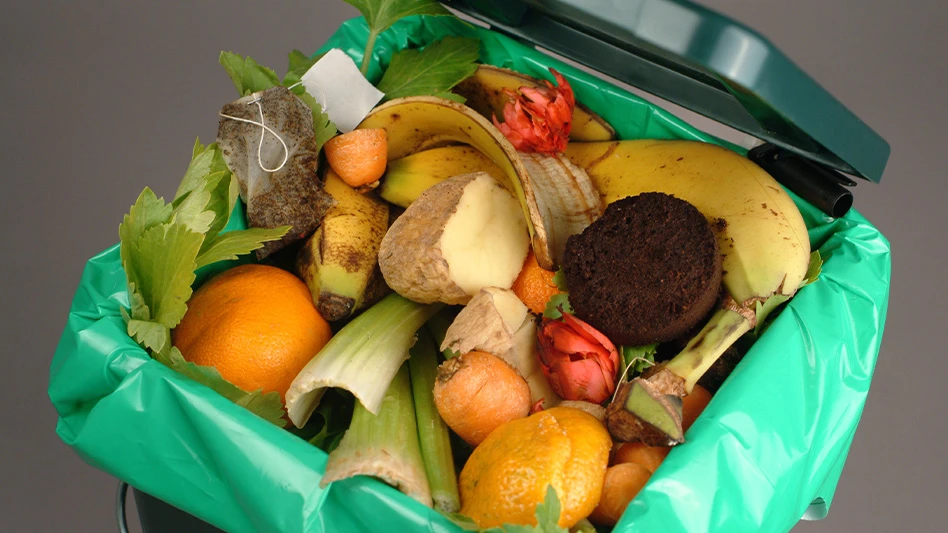
The facility accepts residential and commercial feedstock, such as green waste, agricultural materials, manure, food waste and food-soiled paper.
Each year, the facility is expected to produce 40,000 tons of compost using 32 composting bunkers, each capable of holding up to 600 tons of material. The county says these bunkers use Sustainable Generation’s Covered Aerated Static Pile (CASP) technology with Gore covers—an advanced membrane fabric with a forced aeration system, reducing odors and emissions throughout the process. The facility is designed to maintain moisture levels by reducing evaporative losses and retain heat in smaller piles, Kern County says.
The composting process will be managed in three phases:
- active composting, where the feedstock is placed in covered bunkers for three to four weeks with the integrated environmental system monitoring temperature and oxygen;
- the curing process, where the partially composted material is moved to another covered bunker for two to three weeks to stabilize material and further the composting process; and
- finishing, where the material is moved to uncovered bunkers for two weeks to mature into a finished ready-to-use product.
Lee says the compost will be available to the cities of Kern County and its residents at no fee, while agricultural and landscaping businesses can purchase the product. The county expects to have finished compost in the next three to four months.
Kern County was awarded a $10 million grant from CalRecycle's Organics Grant Program in 2024 to offset the facility’s construction costs.
“The grand opening served as an opportunity to highlight the collaborative efforts of many government agencies and private companies,” Lee says. “CalRecycle, Clark Bros. Inc., SCS Engineers, Edgar & Associates, Sustainable Generation and AECOM partnered with Kern County Public Works for the development of this compost facility.
"We were excited to host Zoe Heller, director of CalRecycle, at the grand opening. She provided comments on the importance of this facility and advancing sustainable waste management and environmental stewardship in Kern County.”
Latest from Waste Today
- WeSort.AI recovers critical raw materials from recycling plants
- Collective Waste Solutions acquires Alcop Resource Recycling transfer station
- A blueprint for curbside composting
- Aemetis narrows net loss in 2025
- Fleetio launches AI capability to accelerate fleet maintenance approvals
- Recycle Ann Arbor extends drop-off station operating hours
- Sybilion seeks to help manufacturers confidently address volatility
- Ecowaste Solutions partners with city of Trinity, Texas