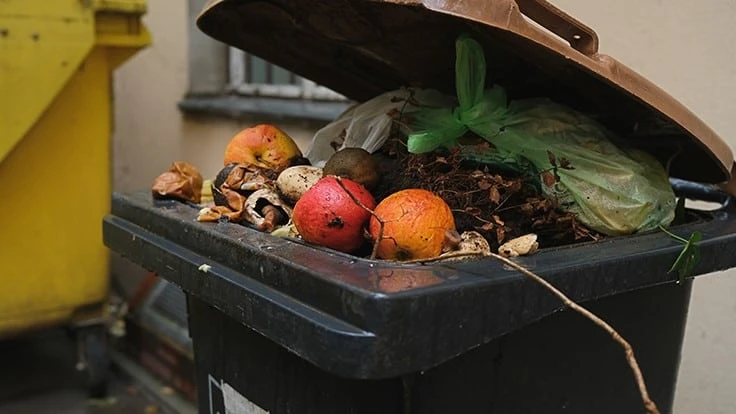
The city of Malibu, California is launching a new mandatory organic waste recycling program to help businesses and residents reduce their carbon footprint and the impacts of climate change. The program will also help the city meet mandatory requirements established under California Senate Bill 1383.
“Malibu is committed to protecting the environment and doing our part to address climate change. This a global crisis and a threat to coastal communities like Malibu as we face the danger of rising sea levels and wildfires,” said Mayor Paul Grisanti in a release. “I hope that all homeowners and businesses will see the need for this move and join in this effort to protect the environment and our community.”
Organic waste like food scraps make up half of what Californians send to landfills, releasing large amounts of greenhouse gases such as methane that contribute to climate change. By reducing these short-lived climate pollutants through organic waste diversion, the city of Malibu believes this will have the fastest impact on the climate crisis.
Increasing food waste prevention, encouraging edible food rescue, and expanding the composting and waste-to-energy digestion of organic waste will reduce methane from landfill operations as well, the city says.
Starting on October 1, businesses and multifamily residential dwellings (5 units or more) are required to start organics recycling or have an approved exemption waiver.
Commercial edible food generators are required to participate in an edible food recovery program, while grocery stores must participate in an edible food recovery program by 2022. Restaurants greater than 5,000 square feet and large events with more than 2,000 attendees per day must participate by 2024.
Residents will automatically receive organic waste recycling service starting on January 1, 2022, and will be responsible for sorting organics in the appropriate cart based on their city-permitted solid waste hauler. The haulers will provide specific information on how they will collect organics and which cart residents should use for organics.
Latest from Waste Today
- Vermeer announces plan to build new facility in Des Moines metro area
- Buffalo Biodiesel shares updates on Part 360 application to DEC, Tonawanda facility progress
- Capstar Disposal expands roll off dumpster rental services
- Supreme Court strikes down IEEPA tariffs
- Casella details facility closures, expansion efforts
- Zero harm: Building a SIF prevention program for waste and recycling operations
- Casella posts a loss in Q4 2025
- McNeilus names Haaker Equipment first Dealer Partner of the Year