The Editor’s blog is a weekly op-ed written by the editors of MSW Management magazine.
An initiative in Los Angeles County is expanding waste collection services for businesses and institutions throughout the L.A. County area. Waste Management, the waste hauler for Pepperdine University, will initiate enhanced collection services of organic waste on campus starting next Monday, October 31.
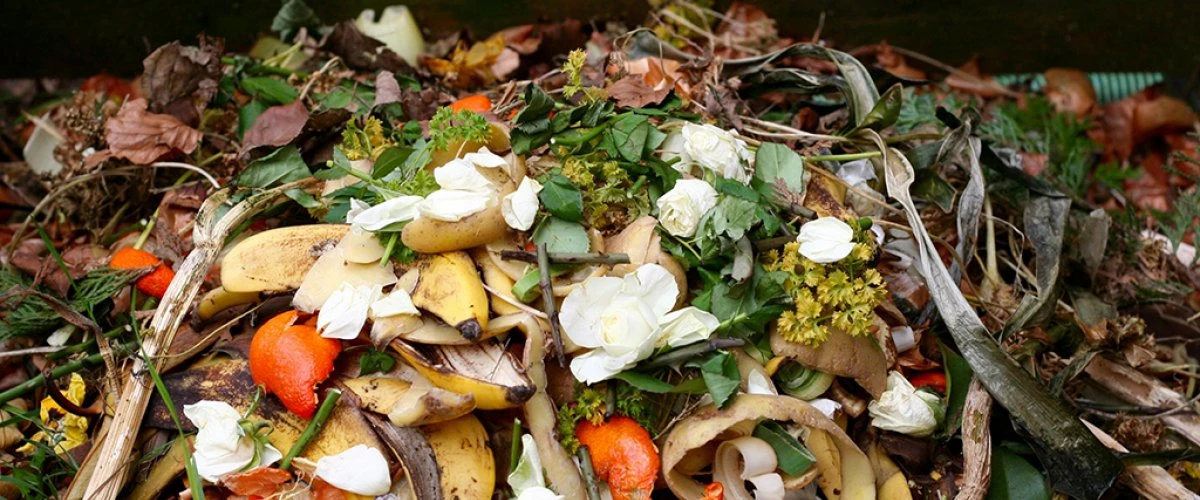
This project includes a strategic focus on areas of the university that generate the most food waste, such as residences with communal kitchens and dining halls on campus. Dedicated containers for organic waste are being installed throughout these locations. The food waste will be sorted for decontamination and then transferred to a facility that captures methane gas as the waste decomposes.
“This program is an important endeavor to educate our community and enhance waste diversion options on campus,” said Ricky Eldridge, assistant vice president and leader of the Center for Sustainability at Pepperdine.
“While [Pepperdine] has already been disposing of its pre-consumer food waste and landscaping trimmings with its waste hauling partner, enhanced organic waste collection services will allow community members to now participate in diverting their food waste to organic waste disposal,” the university shared in its announcement.
In researching waste management strategies on college campuses, I learned that Harvard is working towards the goal of becoming a zero waste campus. The institution encourages pre- and post-consumer composting at all undergraduate dining halls. For about four years, Harvard has been sending its compostable materials to a nearby facility for processing. It is converted into a high-energy product that can be used to produce energy.
Northwestern University in Illinois has also integrated a composting program for food waste into all of its dining operations. The university has a contract with a hauler to deliver organic waste to a local facility for composting.
Emory University, located in Georgia, has installed dedicated equipment for compost collection in bathrooms, kitchens, and residence halls. The university’s composting program involves collection of the organic waste and transporting it to an industrial composting facility. Emory aims to divert 95% of its non-construction waste from municipal waste landfills by 2025 (with the exception of regulated lab and medical waste). It also plans to ensure that university events produce zero municipal landfill waste by 2025.