Влад Варшавский | stock.adobe.com
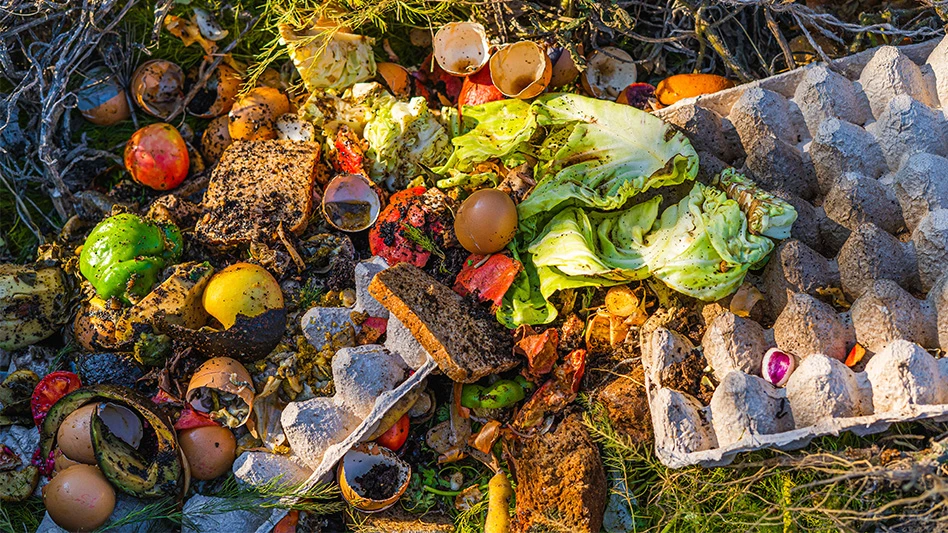
A recent report has determined the economic impact of the Massachusetts Department of Environmental Protection’s (MassDEP) ban on commercial food waste disposal. This initiative has contributed to the state’s economy, generating jobs and revenue.
In October 2014, MassDEP amended its existing waste ban regulations, adding commercial organic material to the list of materials banned from disposal in Massachusetts.
In November 2022, the waste ban regulations were amended again, lowering the quantity of organic material businesses and institutions are allowed to dispose of every year. The new rules lowered the threshold from one ton of food waste a week to half a ton a week.
According to the report, the ban has:
created 1,676 jobs, resulting in $143 million in labor income;
generated an additional $194 million in economic value; and
cumulatively generated more than $390 million in industry activity.
“Massachusetts is a leader in reducing food waste,” Massachusetts Gov. Maura Healey says. “Our state’s businesses and institutions have stepped up to innovate and reduce their waste, and this report shows that the long-term impacts are positive. Finding an alternative to throwing away good food is a boost for our communities, our economy and our environment.”
The disposal ban targets businesses and institutions that produce more than half a ton of food waste weekly, including supermarkets, colleges, hotels, hospitals, nursing homes, restaurants and food service providers. These entities must redirect their food waste from landfills to sustainable solutions, such as food recovery services, composting and anaerobic digestion.
“This report reaffirms our commitment to reduce, reuse and recycle here in Massachusetts,” Lt. Gov. Kim Driscoll says. “Massachusetts has created the necessary infrastructure to ensure good, healthy food does not go to waste. For our cities and towns, this means getting food to those who need it first and foremost. It means jobs for our residents, and it conserves resources and supports local budgets.”
The number of facilities participating in food waste services has increased from 1,350 in 2014 to an estimated 4,150 in 2024. This growth has stimulated economic activity in related sectors, benefiting communities across the state, MassDEP says.
“This report confirms what we’ve long known, that banning food waste is not just an environmental win but also an economic one,” Massachusetts Energy and Environmental Affairs Secretary Rebecca Tepper says. “By reducing waste, creating jobs and lowering costs, this policy helps build stronger communities and a more resilient economy.”
Additionally, MassDEP funds RecyclingWorks in Massachusetts, a resource for businesses providing free technical assistance and online resources to support recycling and diversion efforts.
“The food waste ban is a critical piece of our strategy to reduce waste,” MassDEP Commissioner Bonnie Heiple says. “But it does so much more. The program lowers disposal costs, reduces methane emissions, creates clean energy, produces nutrient-rich fertilizer for our farms, supports jobs, strengthens the economy and helps get good food to people in need. We’re proud of this success and excited to build on it.”
Latest from Waste Today
- The BDP compost system
- WM opens 2 new MRFs in Ontario
- Liberty Waste Solutions acquires AJ Disposal
- RecycleNation helps people find nearby recycling facilities
- Hoffman Sanitation Services acquires Lake Texoma Trash Service
- Ecowaste Solutions acquires Howie’s Enterprises
- Fornnax appoints new sales partner in Germany
- Super Bowl LX will implement reusable cup program, AI recycling systems