Photo provided by Dreamstime
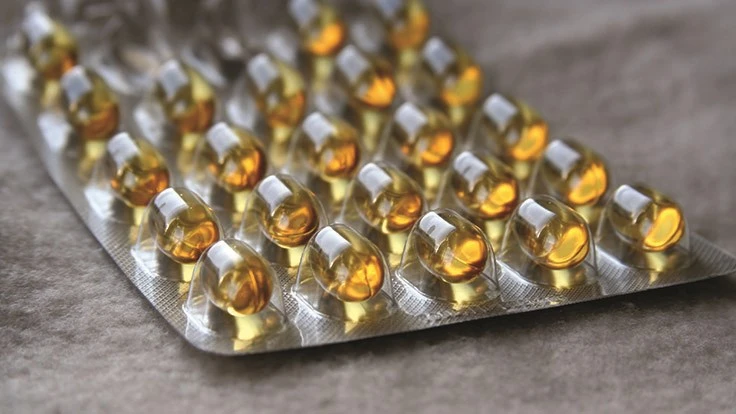
The Organization for Economic Cooperation and Development (OECD), based in Paris, has issued a report examining ways to reduce and better manage the amount of unused or expired medicines with the potential to contaminate the environment via sewer systems or landfills.
The 56-page report, titled “Management of Pharmaceutical Household Waste: Limiting Environmental Impacts of Unused or Expired Medicine,” contends the share of household medication ending up as waste in OECD countries varies from 3 percent to 50 percent, but “volumes are rising as aging populations consume more pharmaceuticals.” (There are more than 35 OECD countries, with members signing on to “shape policies that foster prosperity, equality, opportunity and well-being for all.”)
Over the past two decades, per capita consumption of lipid-modifying agents (such as cholesterol-lowering statins) has increased by a factor of nearly four and per capita consumption of anti-diabetic and anti-depressant medicines have doubled, OECD says.
“Environmental contamination from improper disposal of unused or expired medicine has adverse effects on ecosystems and contributes to the development of antimicrobial resistant bacteria,” the group states.
It lists “observed impacts on wildlife” that include traces of oral contraceptives causing the feminization of fish and amphibians and residues of psychiatric drugs altering fish behavior. “In addition, unused or expired medicines constitute wasted health care resources and can present a possible public health risk of accidental or intentional misuse and poisoning,” OECD says.
Measures proposed by the OECD researchers to avoid and better manage pharmaceutical household waste include: 1) find ways to reduce volumes of unused or expired medicine, including the use of “precision medicine and package sizing,” as well as supporting marketplaces for unused but unexpired medicines; 2) ensuring the environmentally sound collection and treatment of unavoidable pharmaceutical waste, perhaps via separate collection systems or the use of extended producer responsibility (EPR) systems; 3) raise public awareness using focused communication campaigns, including for liquids, ointments and creams, which “tend to be discarded improperly,” OECD says.
The report can be purchased and downloaded here.
Latest from Waste Today
- My Green Michigan expands depackaging capacity
- Washington selects Circular Action Alliance as PRO
- Ten-8 Industrial opens new central Florida service center
- Triumvirate Environmental acquires Environmental Waste Minimization
- Official NYC Bin availability expands ahead of deadline
- US Food Waste Pact’s 2025 Impact Report shows decrease in food waste
- Coastal Waste & Recycling expands recycling operations with Machinex
- Reconomy acquires German-based GfAW