Photo courtesy of the Miami-Dade Innovation Authority
Miami-Dade County Mayor Daniella Levine Cava, the county’s Department of Solid Waste Management (DSWM) and the Miami-Dade Innovation Authority (MDIA) have announced the winners of the MDIA’s fifth public innovation challenge.
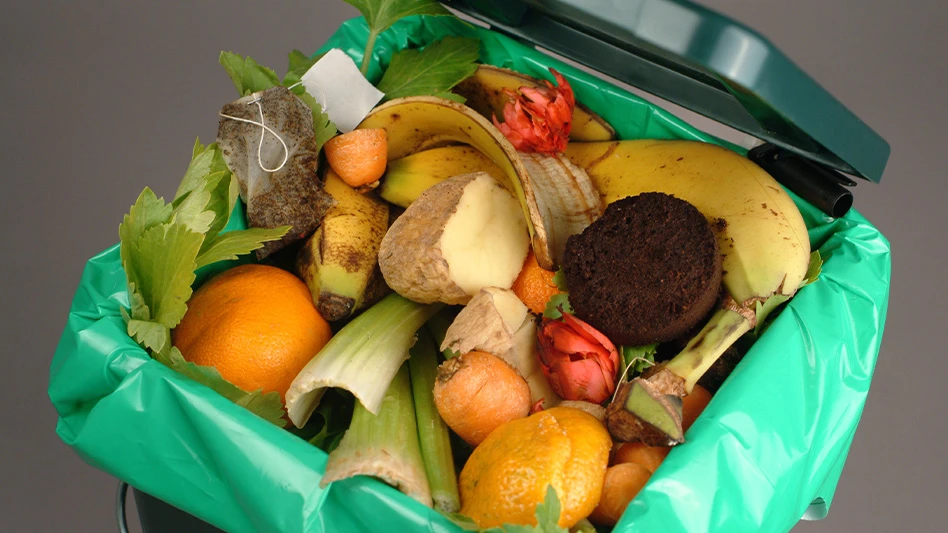
The challenge focused on waste diversion, particularly organic materials, from the county’s landfills, enhancing recycling efforts and improving resident education and engagement. In partnership with the county’s DSWM, the MDIA selected winners from a pool of more than 80 applicants, including local and global technology companies, after the challenge launched in March.
The winners include:
- Clean Earth Innovations, a Fort Lauderdale, Florida-based company which will process organic waste through a rotary pyrolysis to create nutrient-rich biochar;
- Fertile Earth Worm Farm, a Homestead, Florida-based company which deploys a composting solution to create high-quality, organic soil blends; and
- Scrapp, a Boston-based company whose phone-based app educates and engages residents on proper waste disposal practices.
Beginning in 2026, two of the startups will participate in a pilot test conducted at the South Dade Landfill and the Old South Dade Landfill. The other pilot will be deployed county-wide to educate residents on how to sort their waste.
Each selected company will receive $100,000 in funding and will have the opportunity to test and validate their solutions with DSWM in a pilot setting.
“Our commitment to serve Miami-Dade residents means constantly improving how we manage waste and protect our environment,” Miami-Dade DSWM Director Aneisha Daniel says. “By partnering with startups through this challenge, we’re exploring practical, sustainable solutions that serve our communities better and ensure a cleaner, healthier future for Miami-Dade County residents.”
Miami-Dade County produces more than 5 million tons of waste each year. According to the Florida Department of Environmental Protection, only 37 percent of the county’s waste is recycled, with a contamination rate of approximately 39 percent.
“Miami-Dade’s new waste mandates require at least a 40 percent reduction in waste sent to landfills and such a substantial portion could be composted or reused,” MDIA President and CEO Leigh-Ann Buchanan says. “Through the pilots of these winning solutions, we’re demonstrating that innovation and technology can be at the forefront of optimizing efficiencies in waste diversion.”
According to the MDIA and DSWM, piloting the selected technologies aims to inform and complement the county’s Zero Waste Master Plan, a roadmap that outlines a path forward to divert, reduce and reuse overall waste in the community.
“As we advance our Zero Waste Master Plan, Miami-Dade is taking bold action to reduce landfill waste and build a more resilient Miami-Dade by pressure testing these solutions in real-world settings,” Levine Cava says. “We’re running out of space in our landfills, and the time to act is now. Every innovative step we take helps protect our planet, reduce waste and create a cleaner, more sustainable future for generations to come, which is why we’re positioning Miami-Dade County to lead in zero waste innovation while solving real problems for the residents we serve.”
Latest from Waste Today
- Fleetio launches AI capability to accelerate fleet maintenance approvals
- Recycle Ann Arbor extends drop-off station operating hours
- Sybilion seeks to help manufacturers confidently address volatility
- Ecowaste Solutions partners with city of Trinity, Texas
- Bristal Hauling acquires G&R Garbage Disposal
- Baltimore trash collection expected to slow as WTE facility closes for maintenance
- Landfill Insights | Connecting the dots: Policy to practice
- FCC Environmental Services awarded collection contract in Florida