Microgen | stock.adobe.com
Members of the Miami-Dade County Commission in South Florida have expressed a willingness to replace a waste-to-energy (WTE) plant that was destroyed by a fire in 2023.
However, choosing a final location has created a “not in my back yard” (NIMBY) dilemma that those same commissioners have not been able to address.
A memorandum from the mayor of Miami that was presented to the commission in January listed six potential sites for a proposed replacement WTE facility.
Vetting those locations was part of the discussion at a commission meeting this February, where one participant at the meeting indicated one of the six locations—the site of the destroyed mass burn plant, which is near a golf course in Doral, Florida, owned by President Donald Trump—was unlikely to receive permit approvals.
Late last week, the Miami Herald reported commissioners continue to back constructing a new WTE plant, but have made little progress in determining the location.
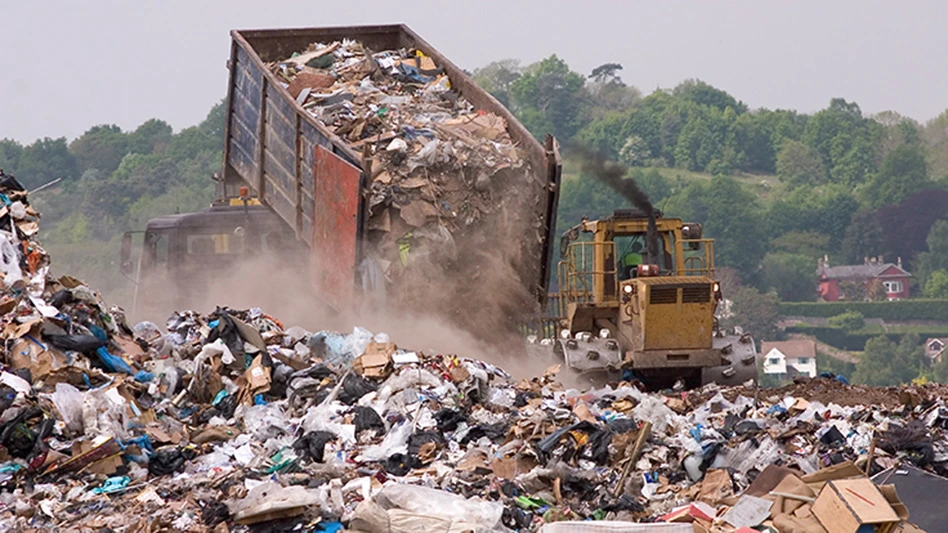
In her report for the Herald, Ashley Miznazi says the metro government is “facing a looming landfill shortage” that already is forcing the county into the expensive step of trucking some waste upstate.
When Miami-Dade commissioners met last Wednesday, they agreed to build a new WTE plant “with a cleaner, more modern design,” according to Miznazi.
The report quotes Miami-Dade County Commission Chair Anthony Rodriguez as saying, “We have to stop playing games and politics, and this is the most important situation this county is facing today.”
However, other votes taken by the commission have eliminated proposed sites rather than finalizing one, according to the Herald.
The two-year delay thus far adds time to what could be a 10-year timeline to design, approve and construct a plant once a location is chosen.
According to the report, one 65-acre tract has been proposed by David Martin, CEO of a Miami-based real estate development company Terra Group, but access to that property would require a land swap.
According to Miznazi, one commissioner verbally proposed the current site of the Trump administration’s “Alligator Alcatraz” undocumented immigrant internment facility in the Florida Everglades as a prospective WTE facility location.
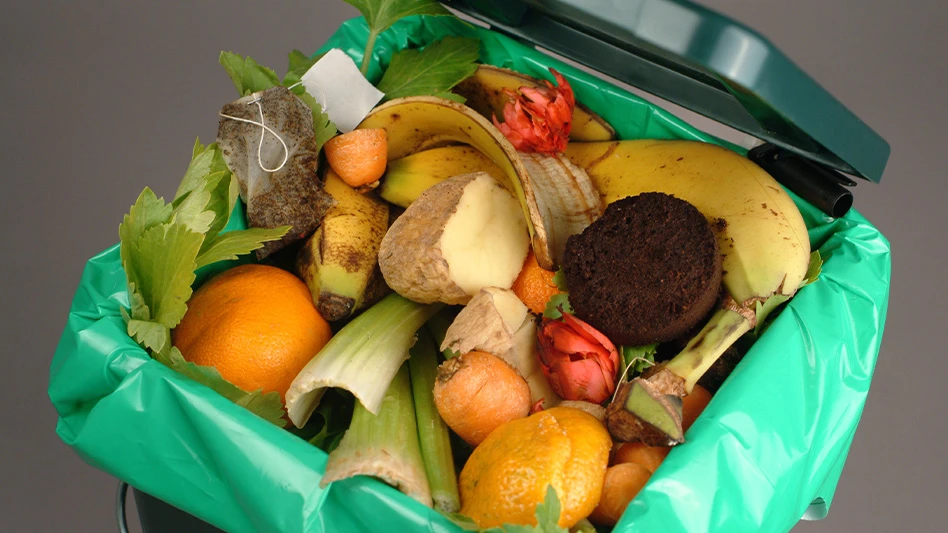
The report also indicates several companies have expressed an interest in helping build or operate the planned WTE facility, while other potential vendors have emphasized the potential for the South Florida region to engage in additional composting activities.
Latest from Waste Today
- WeSort.AI recovers critical raw materials from recycling plants
- Collective Waste Solutions acquires Alcop Resource Recycling transfer station
- A blueprint for curbside composting
- Aemetis narrows net loss in 2025
- Fleetio launches AI capability to accelerate fleet maintenance approvals
- Recycle Ann Arbor extends drop-off station operating hours
- Sybilion seeks to help manufacturers confidently address volatility
- Ecowaste Solutions partners with city of Trinity, Texas