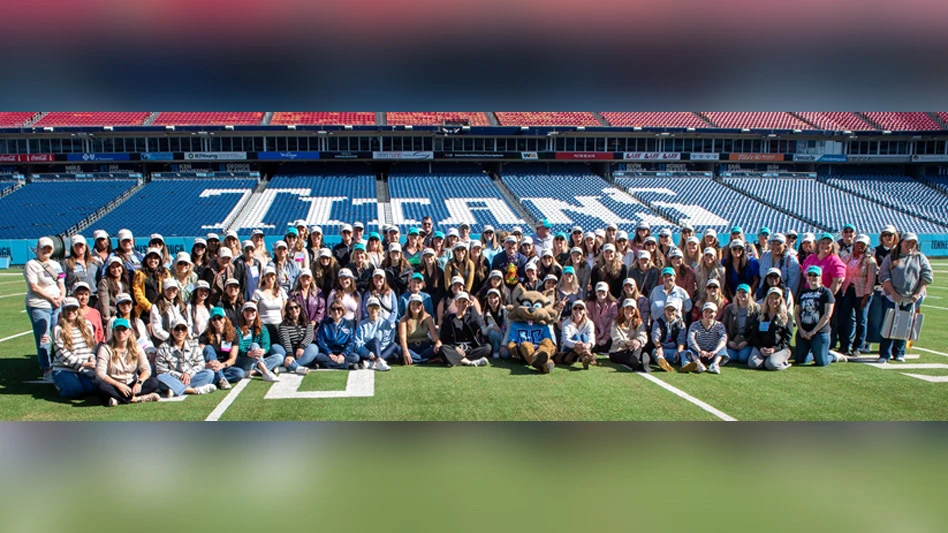
Photos courtesy of NWRA Women's Council
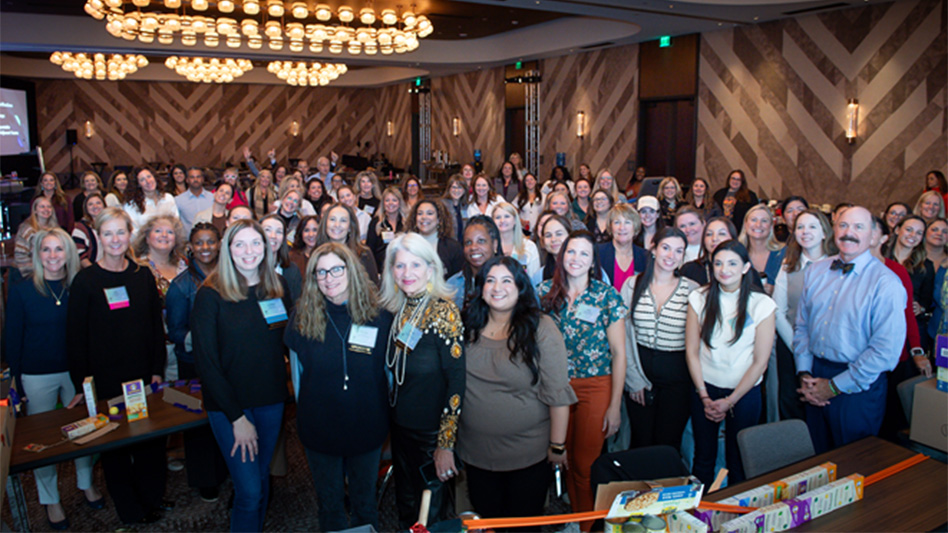
This fall, the National Waste and Recycling Association’s (NWRA) Women Council convened in Nashville, Tennessee, for three days of education, networking and community. What began two decades ago as a small group of industry women seeking connection has since grown into a cornerstone of NWRA membership and a force shaping professional development across the waste and recycling sector.
The gathering, Nov. 3-5, highlighted not only how far the council has come but also how members and the industry’s leadership more broadly are thinking about the next chapter.
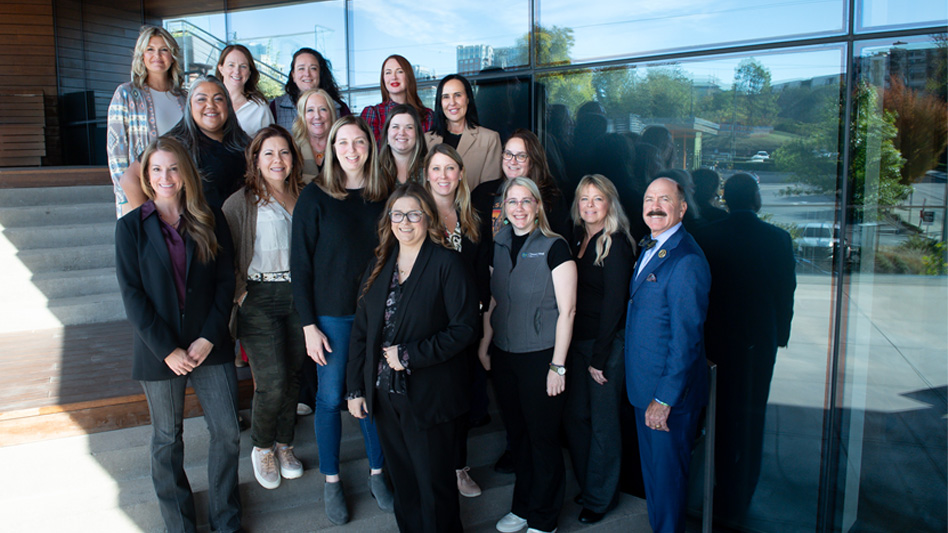
A growing community with a shared purpose
For many, the Women’s Council is rooted in belonging and support: two themes that surfaced again and again during the Nashville event.
“I truly loved every moment of the Women’s Council President’s Tour,” says attendee Jennifer Cooper, executive assistant and opportunity outreach coordinator at Liberty Disposal Inc., headquartered in Oklahoma City. “We may all work for different companies, but we were all there with a shared purpose: to lift one another up and make the world better together. It was inspiring to see women so committed to helping others grow both personally and professionally, all rooted in Her Story, our story.”
First-time attendees echoed the same sentiment. Robbin Anderson, vice president of sales for Whits Services Corp. (WSC) of Bridgeton, Missouri, says joining the NWRA specifically to attend the Women’s Council’s programming proved worthwhile from day one.
“WSC joined NWRA this year so I could participate in the Women’s Council and attend the President’s Tour in Nashville, and it exceeded every expectation,” Anderson says. “I’ve been to about a dozen conferences this year, and this one led the pack for professional development, organization, networking and pure fun.”
For longtime members, the growth of the council has been substantial. Debbie Busby, sales manager of WasteExpo, who has attended the President’s Tour for nearly 20 years, says the gathering has been the highlight of her year for two decades.
“[It offers] an unparalleled chance for connections and a reminder of the impactful role women play in the waste industry,” Busby says.
Busby adds that the combination of professional development, peer learning and community-building continues to set the event apart. “I value the opportunity for professional development, gaining insights and teambuilding with the extraordinary women pioneering change and growth across this industry,” she says.
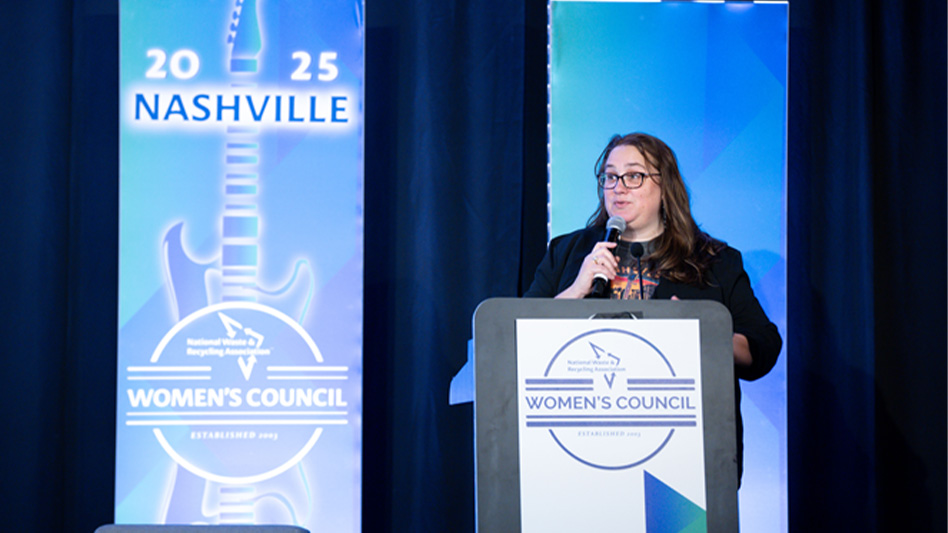
Engagement, connection and professional growth
This year’s tour also marked the final event planned under the leadership of Kerri Mead-Bell, the council’s president and owner of Anchor Disposal based in Clayton, North Carolina. For Mead-Bell, connection has been the defining priority of her tenure.
“My whole thing since I’ve been president has been engagement and connections,” she says. “This council was life-changing for me.”
She recalls entering the industry as a newcomer—frequently overlooked or mistaken for someone’s assistant. “Being a woman in this industry, especially me being just nobody, you just get passed by 1,000 times,” she says.
Past president Pam Caron—who helped plan both of Mead-Bell’s conferences—shares a similar story.
“I would walk around [conferences] and feel isolated, even though I knew so many people,” Caron, senior vice president of Risk Strategies Co. of Boston, says. “Now we walk in, and it just gives us a safe space, I think, and an instant support group.”
That culture of support is more than social, Mead-Bell says. Members help one another prepare for job interviews, navigate workplace challenges, negotiate promotions and build confidence.
“[It’s about] trying to help people, the other women, find their voice and use it,” Mead-Bell says. “Everybody has a story to tell, and that’s the big thing with women—it’s like imposter syndrome.”
Professional development at the core
This year’s programming included:
- a tour of Nissan Stadium and a dialogue with its director of sustainability about recycling challenges in Tennessee, which is currently the 48th lowest recycling state in the country;
- a local sustainability panel featuring Nashville-based leaders, including long-time advocates who launched grassroots recycling initiatives;
- a session with Devina Rankin, recently retired executive vice president and chief financial officer of WM, Houston; and
- team-building and leadership sessions, including a “Her Story” workshop focused on voice, confidence and overcoming fear.
Even as attendance grows—this year drew more than 125 participants, including 30 first-time attendees—Mead-Bell and Caron say they remain committed to maintaining the tight-knit nature and accessibility that have defined the council since its earliest days.
“I heard it from a member a couple of years ago who said, ‘I don’t want to lose that intimacy that we all have with each other,’ and I said, ‘I respect that,’” Caron says. “But also, if women want to come, we want to give them the opportunity. Kerri did a great job of making sure that the board welcomes them and brings them into the fold.”
Both leaders and attendees say the Women’s Council now plays a central role in attracting new NWRA members.
“The Women’s Council is NWRA,” Mead-Bell says. “So many people join NWRA because of the Women’s Council.”
What members hope to build in 2026
With new leadership set to take over in January, Mead-Bell and Caron say they’re thinking not only about sustaining momentum but expanding impact. Several initiatives are already underway.
With two virtual sessions already planned for early 2025 and more in development, leaders expect this to be a major growth area.
“Not everyone can fly off to Nashville. It’s just not realistic for all levels,” Caron says. “[Virtual programming] was something that we really have been focused on, and it's been great. We have so many women that join that, so even if they can't come in person, there's enough that can be done virtually, as well.”
The Council’s mentorship program, launched about a year and a half ago, will also continue in 2026. “You either could be a mentor and a mentee, honestly, everybody could be, at some point,” Caron adds. “I think that's been really cool to watch, as well.”
After a two-year research project, the council completed its Return-on-Investment (ROI) initiative, designed to help women justify participation to their employers.
“That is such a problem for women to get permission, where it's not at all for men to get permission…but for us to do professional development, it's a problem,” Mead-Bell says. “We did a huge project on that.”
One of the council’s most ambitious initiatives involves equipment safety and inclusivity. Originally “Cabs for Women,” the council broadened its effort when members realized ergonomic challenges affect workers of many different body types and backgrounds. Now titled “Cab for All,” the project is working with manufacturers, including Mack, International and Autocar, to redesign cab dimensions, pedals and steering positions to accommodate a wider range of drivers.
For Caron, the greatest reward of serving on the board is simple. “It’s just the sheer joy of watching others grow,” she says. “Watching everybody really thrive and grow.”
Mead-Bell agrees, saying she remembers joining the council feeling unsure of her place.
“I would not public speak for the life of me,” she says. “Pam and Faith, another past president before Pam, they just pushed me. I didn't want to do this position. I was like, ‘No, I'm not the one. I'm a little smaller hauling company. What do I look like being on this national platform?’ And they both just pushed me. … If you don't have fear, then you're not growing. You have got to push yourself.
“You’re crazy not to do it. My wish for all the incredible women in the waste and recycling industry is that they, too, have a seat at the table—and a voice. I want every one of them to feel seen and heard, welcomed and valued, respected and loved.”
To learn more about the NWRA Women's Council or to get involved, visit https://wasterecycling.org/member-networks/womens-council/. The full photo album from the Women's Council Nashville event can be viewed here.
Latest from Waste Today
- Vermeer announces plan to build new facility in Des Moines metro area
- Buffalo Biodiesel shares updates on Part 360 application to DEC, Tonawanda facility progress
- Capstar Disposal expands roll off dumpster rental services
- Supreme Court strikes down IEEPA tariffs
- Casella details facility closures, expansion efforts
- Zero harm: Building a SIF prevention program for waste and recycling operations
- Casella posts a loss in Q4 2025
- McNeilus names Haaker Equipment first Dealer Partner of the Year