Photo provided by Adobe Stock
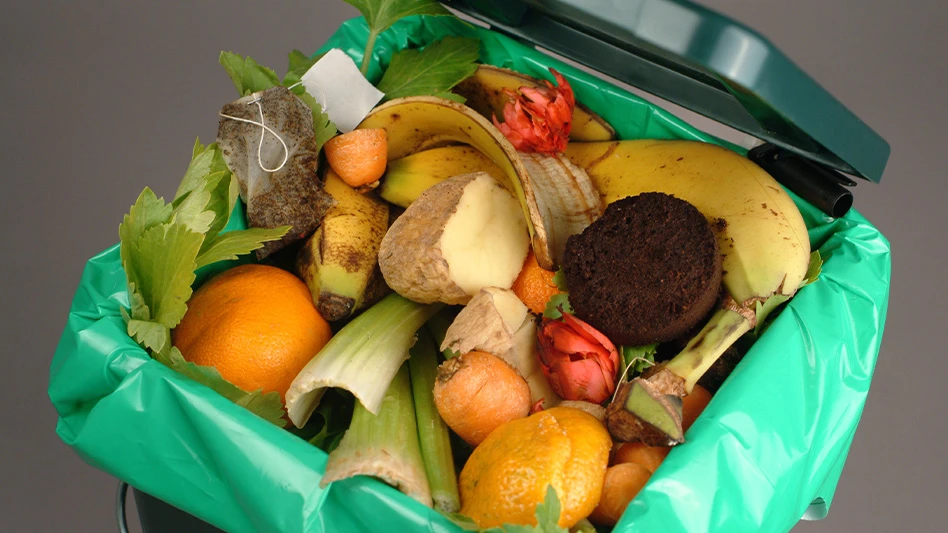
Researchers at Purdue University Northwest in Hammond, Indiana, have developed a process that converts food waste into what they call sustainably produced hydrogen suitable for the hydrogen energy market.
“The process uses food waste to biologically produce hydrogen that can be used as a sustainable energy source for producing electricity, as well as for chemical and industrial processes or as a transportation fuel,” states Purdue University Northwest.
The university has signed a memorandum of understanding (MoU) with Moonshot Hydrogen, a company newly formed in the Houston area and co-founded by energy industry veteran Rene Ramirez.
Moonshot signed the MoU with the Purdue Innovates Office of Technology Commercialization to help develop and fund the first operating commercial pilot to be built in Indiana and scheduled for completion next spring.
“We anticipate strong demand for this technology in North America and abroad to improve circularity in the waste streams for municipalities as well as other large commercial and agricultural generators,” Ramirez says.
Ramirez calls the process a “best first option” for creating low-cost hydrogen from organics without the need for associated fossil fuels.
Purdue University Northwest professors Robert Kramer and Libbie Pelter and Purdue University professor John Patterson are credited with creating the hydrogen-producing process.
Latest from Waste Today
- Fleetio launches AI capability to accelerate fleet maintenance approvals
- Recycle Ann Arbor extends drop-off station operating hours
- Sybilion seeks to help manufacturers confidently address volatility
- Ecowaste Solutions partners with city of Trinity, Texas
- Bristal Hauling acquires G&R Garbage Disposal
- Baltimore trash collection expected to slow as WTE facility closes for maintenance
- Landfill Insights | Connecting the dots: Policy to practice
- FCC Environmental Services awarded collection contract in Florida