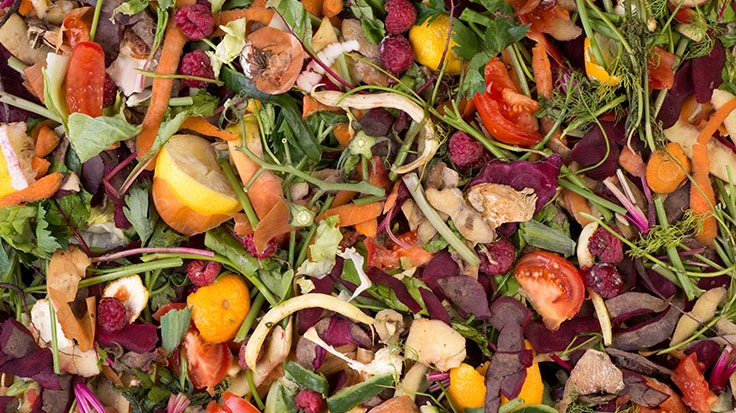
Nashville, Tennessee Mayor Megan Barry announced the Mayor’s Food Saver Challenge to reduce food waste, landfill gases and help feed the hungry, a report by The Tennessean says. The challenge is working in conjunction with a James Beard Foundation chef advocacy training program held in a partnership with the Natural Resource Defense Council (NRDC), Washington, that included 21 city chefs.
According to the report, the city’s challenge could act as a template for the U.S. to reach its 50 percent food waste diversion goal by 2020. The challenge will also increase donations to nonprofits that help feed Davidson County’s 110,000 food insecure residents.
The challenge pulled suggestions to reduce food waste from the James Beard Foundation’s chef advocacy training program, where city chefs learned more about good waste and brainstormed solutions, the report says. The program was a part of Nashville’s food waste initiative, a years-long effort to reduce food waste in Nashville as a pilot city.
Suggestions to reduce food waste in restaurants include tracking waste and analytics, using smaller plates, buying local, imperfect produce, going trayless, cooking to order and offering flexible portions, according to the report. The food waste initiative is also assessing household food waste through consumer surveys and kitchen diaries.
No more results found. According to the report, the city’s challenge could act as a template for the U.S. to reach its 50 percent food waste diversion goal by 2020. The challenge will also increase donations to nonprofits that help feed Davidson County’s 110,000 food insecure residents.
The challenge pulled suggestions to reduce food waste from the James Beard Foundation’s chef advocacy training program, where city chefs learned more about good waste and brainstormed solutions, the report says. The program was a part of Nashville’s food waste initiative, a years-long effort to reduce food waste in Nashville as a pilot city.
Suggestions to reduce food waste in restaurants include tracking waste and analytics, using smaller plates, buying local, imperfect produce, going trayless, cooking to order and offering flexible portions, according to the report. The food waste initiative is also assessing household food waste through consumer surveys and kitchen diaries.