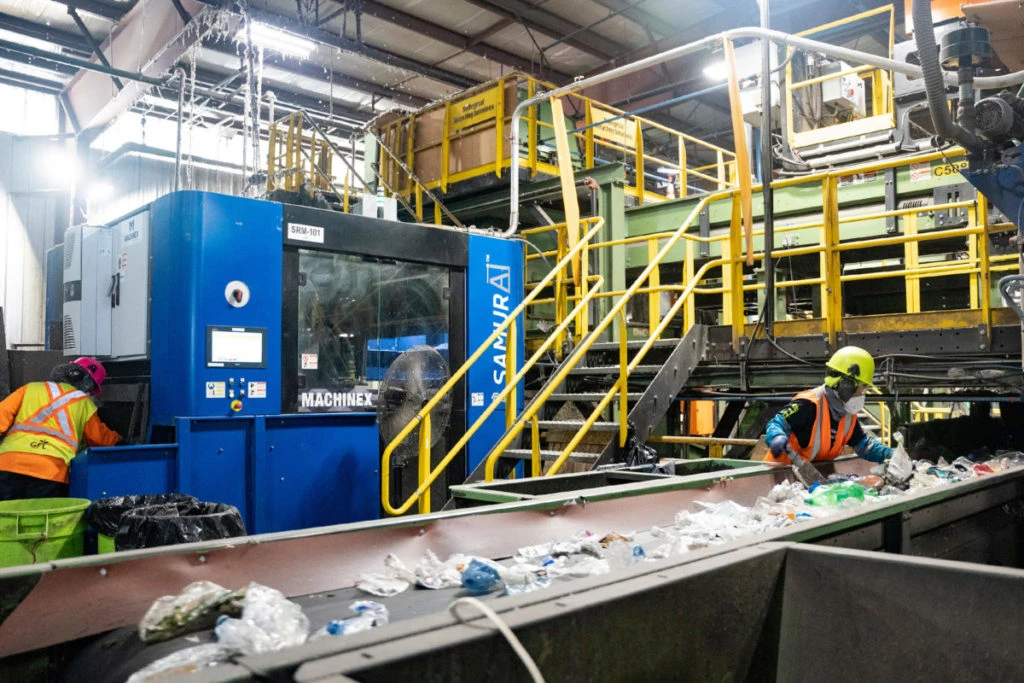
At a materials recovery facility, or MRF, recyclable materials are sorted, cleaned, and processed. Incoming materials are typically dumped onto a tipping floor, where they are manually sorted by workers before being processed through mechanical sorting equipment. The sorted materials are then baled or compacted for shipment to end users.
The operator of a MRF is responsible for overseeing the sorting, cleaning, and processing of recyclable materials. The operator is also responsible for ensuring that the facility is in compliance with regulations. MRF operators often work closely with external partners such as haulers and processors to ensure that materials are being handled and processed correctly.
Operating a MRF can present several challenges, including the wide variety of materials involved, potential contamination, and ensuring worker safety.
One of the main challenges in operating a materials recovery facility is that the facility sorts and processes a wide variety of materials: paper, plastic, glass, metal, etc. This can be a complex and time-consuming task because different materials require different sorting and processing methods. For example, paper and cardboard must be kept separate from other materials to maintain the quality of the recycled paper products. Plastic and glass need to be sorted by type and color because different types and colors of plastic and glass can have vastly different end uses.
Another significant challenge for an operator of a MRF will be dealing with contamination. Contamination can occur when non-recyclable materials are mixed in with recyclable materials, such as food waste or hazardous materials. This can result in an entire load of recyclable materials being rejected and losing out on that profit. To prevent contamination, MRF operators must implement strict quality control measures. It is also helpful to educate the public on best recycling practices.
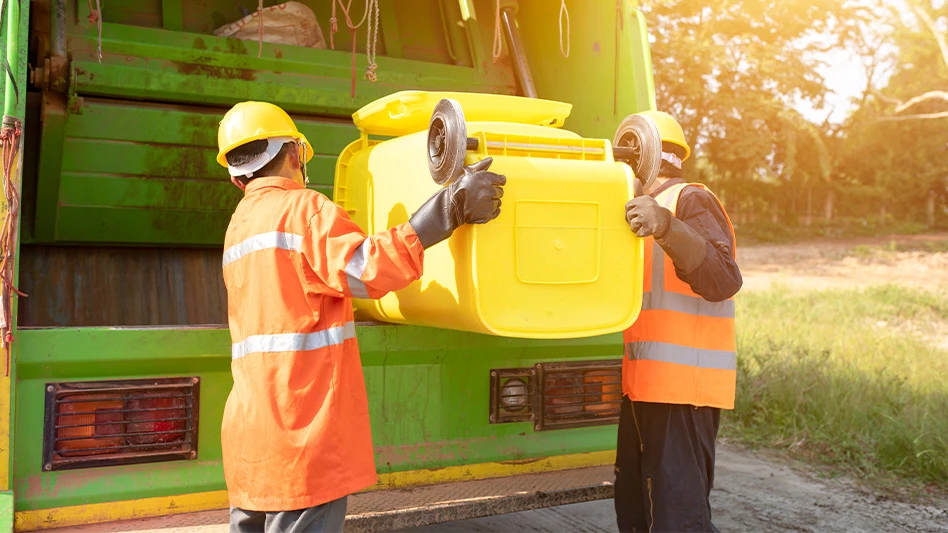
Ensuring the safety and well-being of workers is another key challenge in operating a materials recovery facility. It can be a dangerous place to work, with hazards such as moving machinery and sharp objects. To mitigate these risks, operators need to implement strict safety protocols and provide appropriate training to workers on a frequent basis. They must also ensure that the facility is properly maintained and that any necessary repairs are made promptly.
Latest from Waste Today
- Vermeer announces plan to build new facility in Des Moines metro area
- Buffalo Biodiesel shares updates on Part 360 application to DEC, Tonawanda facility progress
- Capstar Disposal expands roll off dumpster rental services
- Supreme Court strikes down IEEPA tariffs
- Casella details facility closures, expansion efforts
- Zero harm: Building a SIF prevention program for waste and recycling operations
- Casella posts a loss in Q4 2025
- McNeilus names Haaker Equipment first Dealer Partner of the Year