Photo courtesy Petro Perytskyi
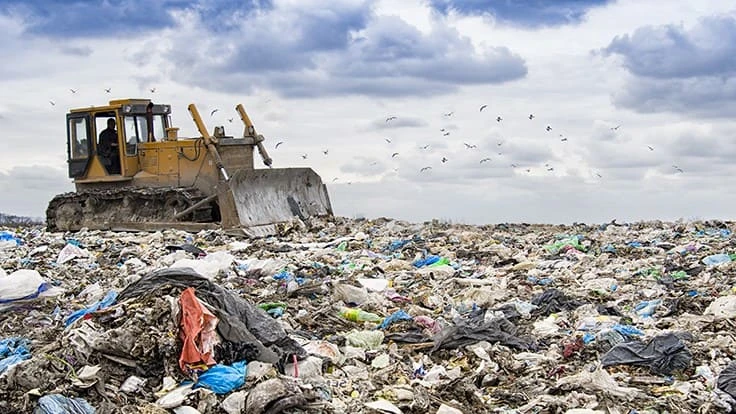
The New Hampshire Senate recently killed legislation that would have prohibited the construction of landfills near state parks, the Associated Press (AP) reports.
The bill, which passed the House last month, would have created a 2-mile buffer zone around parks in which landfills could not be built. Supporters of the bill say the buffer zone would protect state parks, an important part of the state’s tourism infrastructure.
The bill was driven by opponents of a proposed landfill in Dalton near Forest Lake State Park, the AP reports.
Republican Sen. Erin Hennessey says that putting a landfill next to a state park would result in noise issues, odor issues and disruption of wildlife. Hennessey also stated that such landfills would also cause declines in both property values and park visitors.
“Our visitors come to New Hampshire for its fresh air and unique beauty, a beauty that our state parks help us to preserve," Hennessey told the AP. “Citing a landfill next to a state park does not preserve this beauty.”
However, other senators who voted against the bill said the issue was a matter for local zoning officials and environmental regulators, not the legislature.
“While recognizing the concerns of the local residents, this bill would have significant repercussions on land owners’ rights and the use of the state legislative process to address what is basically a zoning issue, a local zoning issue,” Republican Sen. Kevin Avard told the AP.
The Senate rejected the bill in a 14-8 vote. Despite the outcome, Democratic Sen. David Watters said there is broad agreement that the state is facing a crisis in solid waste management. Watters says that senators have worked to address the problem in other bills, like one establishing a statewide solid waste disposal reduction goal.
“I suspect the issue is not going to go away,” Watters told the AP. “Despite the fact that we were split on the vote, there really is a bipartisan recognition that we really need to take this issue on in the future.”
Latest from Waste Today
- My Green Michigan expands depackaging capacity
- Washington selects Circular Action Alliance as PRO
- Ten-8 Industrial opens new central Florida service center
- Triumvirate Environmental acquires Environmental Waste Minimization
- Official NYC Bin availability expands ahead of deadline
- US Food Waste Pact’s 2025 Impact Report shows decrease in food waste
- Coastal Waste & Recycling expands recycling operations with Machinex
- Reconomy acquires German-based GfAW