Laurie Dana | stock.adobe.com
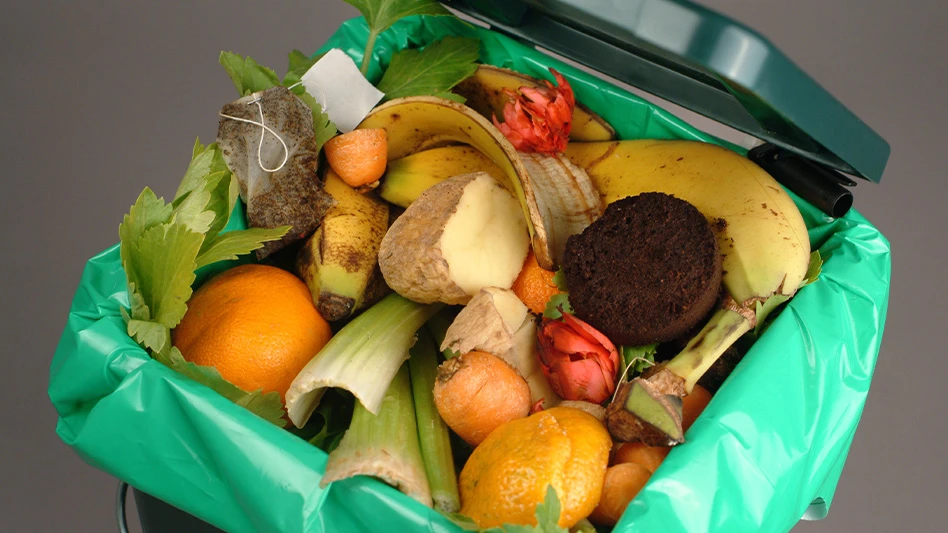
The North Carolina Department of Environmental Quality’s (DEQ’s) Division of Environmental Assistance and Customer Service (DEACS) has made $25 million available to local governments to support recycling and waste reduction resilience in western North Carolina following Hurricane Helene.
Grants are available through the Helene Recovery Recycling Infrastructure (HRRI) Grant Program, which supports western North Carolina communities in rebuilding and strengthening waste reduction and recycling systems. DEACS is now accepting applications.
Funded by the U.S. Environmental Protection Agency (EPA) through the American Relief Act of 2025, the HRRI program provides up to $25 million in grants over multiple phases. Local governments may apply for up to $5 million per project, with no local match required.
RELATED: North Carolina awarded $61M to strengthen disaster cleanup programs
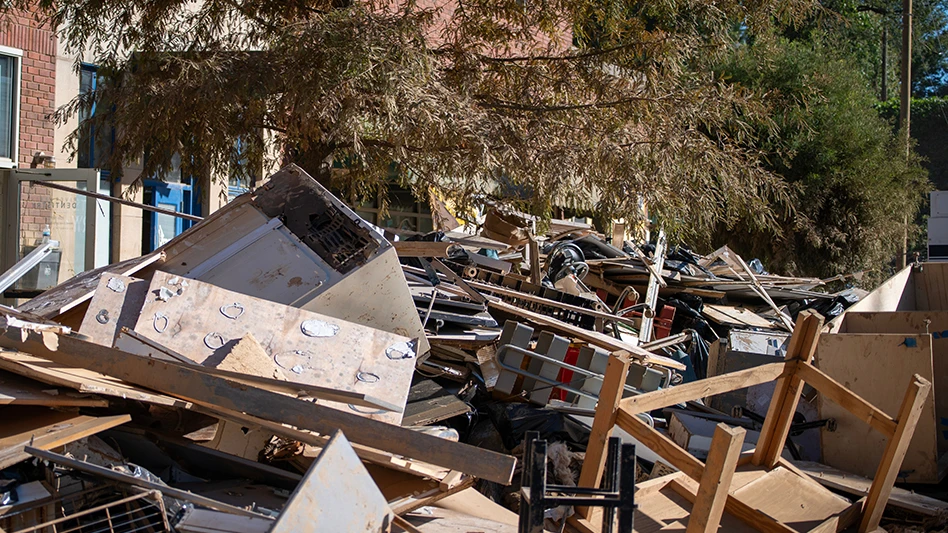
“Hurricane Helene created mountains of debris and damaged recycling and waste collection infrastructure,” DEQ Secretary Reid Wilson says. “These grants will help local governments rebuild and expand recycling and composting systems, which will prolong the life of landfills and create jobs. We appreciate EPA for making the funds available as quickly as possible.”
Eligible applicants include local governments—counties, municipalities, councils of governments and solid waste authorities—within FEMA-declared disaster counties impacted by Hurricane Helene.
According to DEACS, eligible projects can include but are not limited to:
- construction or improvement of recycling or composting facilities;
- development of regional collection (hub-and-spoke) systems;
- upgrades to convenience centers or household hazardous waste programs;
- purchase of recycling trucks, containers or carts; and
- related feasibility studies or education and outreach.
Funds are distributed on a reimbursement basis and cannot be used for salaries, administrative costs or contracted collection services.
Latest from Waste Today
- Fleetio launches AI capability to accelerate fleet maintenance approvals
- Recycle Ann Arbor extends drop-off station operating hours
- Sybilion seeks to help manufacturers confidently address volatility
- Ecowaste Solutions partners with city of Trinity, Texas
- Bristal Hauling acquires G&R Garbage Disposal
- Baltimore trash collection expected to slow as WTE facility closes for maintenance
- Landfill Insights | Connecting the dots: Policy to practice
- FCC Environmental Services awarded collection contract in Florida