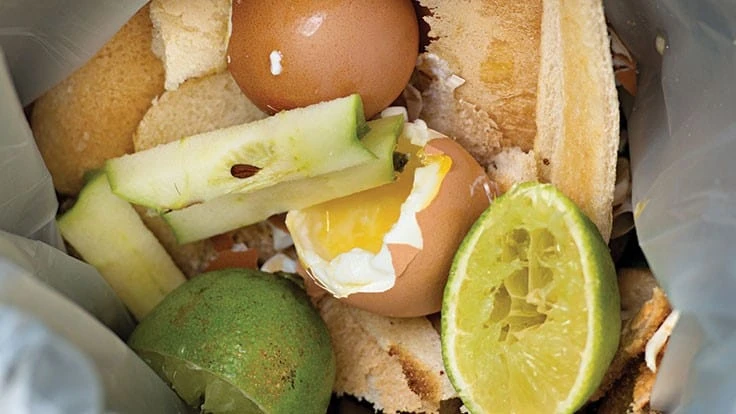
Following proposed budget cuts to New York City’s organic waste recycling program, Council Member Antonio Reynoso, the chairman of the sanitation committee, plans to introduce bills that would expand these programs.
The first piece of legislation would add new drop-off sites for compostable materials throughout the five boroughs. Another bill that is still being drafted would eventually make the recycling of organic waste mandatory for all New Yorkers — a push kicked off by Council Speaker Corey Johnson before coronavirus took hold in the city.
The city’s proposed budget cuts to organic waste recycling total $24.5 million — the large majority coming from the curbside program. It was a part of the $2.7 billion in budget cuts proposed by Mayor Bill de Blasio as the city braces for a $7.4 billion revenue hit over the next two years because of the pandemic.
The Department of Sanitation previously had a voluntary curbside organics program that picked up waste from 470,000 buildings and single-family homes. That waste was then repurposed at several sites in the area, from a compost farm on Staten Island to the Newtown Creek anaerobic digester.
According to Politico, although de Blasio has promised to make the city’s organics recycling program mandatory, the program has struggled with low participation and city budget makers warning it was too costly for what it produced.
“It just speaks to the priorities of this administration and whether or not they were committed to organics ever, if the first chance they get they want to scrap every portion of the organics program,” Reynoso says.
While the Council must ultimately sign off on the budget and will hold hearings on the proposed cuts in the coming weeks, the city has already suspended the organics programs slated to face long-term funding cuts.
“The city is facing an unprecedented crisis, and these service reductions will allow the city to maintain emergency services and its core municipal services," Sanitation Commissioner Kathryn Garcia said in an April statement. "We look forward to a day when we can restore our full suite of composting and electronics collection programs.”
With a focus on preserving the $3.5 million that funds compost outreach at botanical gardens and pays for three food drop-off sites and compost facilities throughout the city, Reynoso says the city needs drop-off sites to ensure residents still have an avenue to repurpose their yard waste and orange peels in absence of a curbside collection program.
He plans to introduce a bill at the next stated meeting that would place one community recycling center in each community district to accept organic materials, electronic waste and textiles no later than June 2021.
Latest from Waste Today
- Vermeer announces plan to build new facility in Des Moines metro area
- Buffalo Biodiesel shares updates on Part 360 application to DEC, Tonawanda facility progress
- Capstar Disposal expands roll off dumpster rental services
- Supreme Court strikes down IEEPA tariffs
- Casella details facility closures, expansion efforts
- Zero harm: Building a SIF prevention program for waste and recycling operations
- Casella posts a loss in Q4 2025
- McNeilus names Haaker Equipment first Dealer Partner of the Year