Photo courtesy of Perpetual Next USA
Perpetual Next USA, an organic materials conversion company with North American headquarters in Delaware, has announced plans to develop an additional three biomass-to-biomethanol production facilities in the southeastern U.S., with development of the sites expected to commence this year.
According to Perpetual Next, global demand for biomethanol is anticipated to grow significantly by 2050.
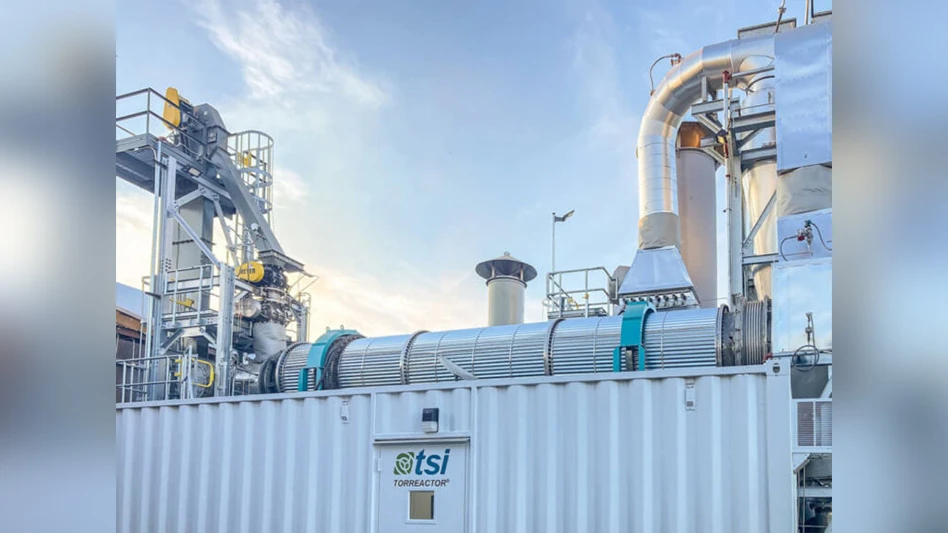
To meet this demand, the company is rolling out its proprietary Biomethanol Blueprint, building a network of large-scale plants in the Netherlands, Estonia and the United States, with additional sites in development. The blueprint integrates torrefaction, gasification and methanol synthesis technologies and is designed to enable rapid, serial scale-up to commercial-scale biomethanol production for the global market, the company says.
Each of the additional facilities being developed in the southeastern U.S. is designed to process approximately 1 million tons of biomass feedstock annually.
“Biomethanol is a key building block in the transition to low-carbon fuels for shipping, chemicals and industry,” Perpetual Next CEO Rene Buwalda says. “Given the availability of feedstock and the related infrastructure, which is very strong, we see a strong opportunity to accelerate responsible biomethanol deployment in the southeastern United States through the roll-out of our Biomethanol Blueprint. It enables us to advance biomethanol as a practical, scalable solution for the energy and material transition.”
Perpetual Next says it is already working with a group of U.S.-based partners to support this rollout, including TSI Inc., a Lynnwood, Washington-based company in the feedstock handling industry, and Irving, Texas-based Fluor Corp., acting as owner’s engineer.
“We will continue to work closely with selected regional and national partners during the rollout across the U.S.,” Buwalda says.
Latest from Waste Today
- Worn Again Technologies unveils Accelerator plant to advance polycotton recycling
- Nashville Waste Services launches new digital route system
- ACUA landfill expansion project unanimously approved
- Clean Energy announces multiple RNG deals with fleets nationwide
- Interchange 360 to operate alternative collection program under Washington’s RRA
- Waste Pro files brief supporting pause of FMCSA CDL eligibility rule
- New Way Trucks expands US network with Joe Johnson Equipment
- Tire Industry Project publishes end-of-life tire management guide