The Pro Recycling Group, Salt Lake City, launched a program called Bridge to Zero in September to help manufacturers to improve their recycling practices and to achieve zero waste. Pro Recycling Group launched 41 years ago as Pro Baler Services, a small equipment dealer for balers and compactors, but it has since expanded into recycling services and a mill brokerage service called Interwest Paper. The entities now all fall under the Pro Recycling Group umbrella.
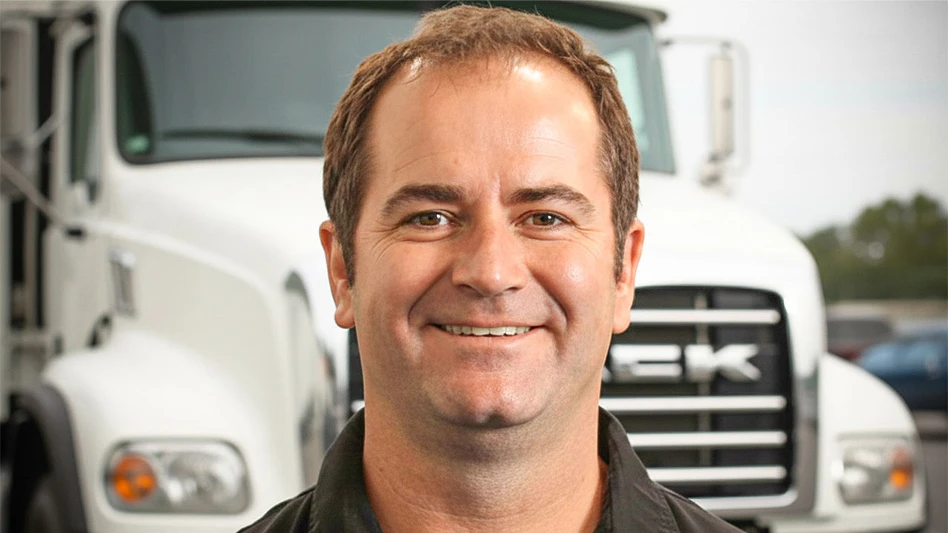
Beau Peck, director of sales and marketing at Pro Recycling Group, says the company has been servicing several manufacturer customers for a few years. He says one of those customers requested that Pro Recycling Group help it to achieve zero waste by providing on-site recycling and trash valet service and by managing all scrap generated at the site.
“At first I thought, ‘Why on earth would I want to have employees at your plant and you pay me by the hour to have them there to do your recycling?’” Peck says. “But after much thought, it was evident that the industry was missing a key link. They needed a bridge to get to zero waste. Manufacturing facilities can be very big. They are there to do on purpose—build the product that they are there to build. Recycling and waste are on their mind, but at the end of the day [that is] the last thing that gets accomplished.
“Many companies already pay a janitorial service to clean floors and empty trash, so having an outside vendor to do services is not entirely new to the industry,” he continues. “The Bridge to Zero program makes it possible to have staff on-site to perform all of the recycling and waste duties and fully manage the program as a whole and think differently about zero waste.”
Pro Recycling Group recently closed a financing transaction with Wheeler Financial from Pitney Bowes Inc. to secure capital investment for expansion into this program. Peck says the company received a $100,000 belt trailer to help with this program as a result of the transaction.
Peck adds that it’s been important for Pro Recycling Group to expand services where it can with the current market conditions for commodities.
“Our bread and butter has always been cardboard bales and still is,” he says. “With the recent turn of events in the recycling industry, relying on just cardboard and other materials is increasingly harder to turn a profit. So, having another business model to help add revenue when times change for us is more important than ever. Expanding from a traditional recycling company and adding zero waste services has helped us financially, but also helps with the ever-changing markets on many hard-to-recycle items. For the unmarketable plastics, we have a home and can divert these streams as a fuel for waste-to-energy usage, ensuring that we are as sustainable as possible.”
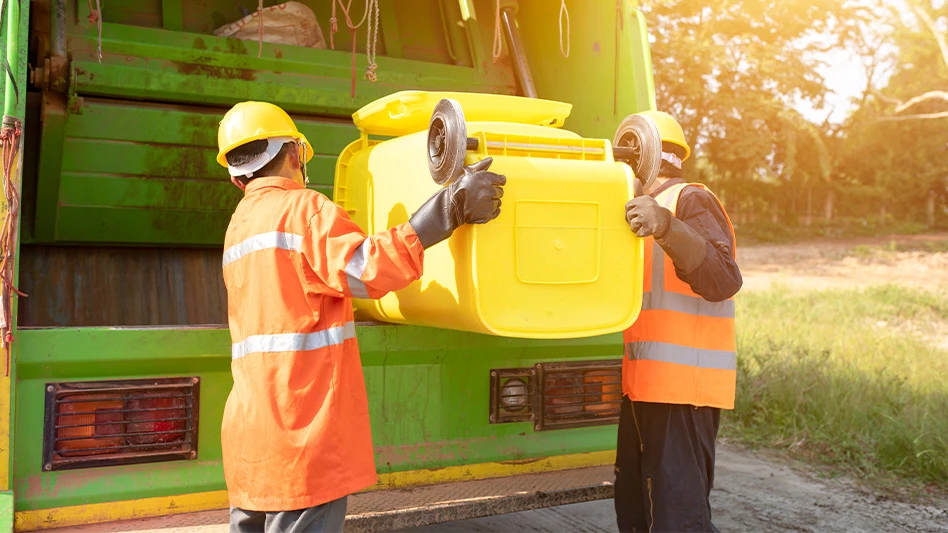
Pro Recycling Group designed the Bridge to Zero program to work with a manufacturing site directly and staff recycling services for that manufacturer as needed. The site will fill up carts, and Pro Recycling Group crew members take it from there. “Our staff collects, bales and transports all items from the site,” Peck says. “This has practically eliminated contamination, as our staff is training on how to recycle properly versus training a whole production floor on how to recycle. The cost is there that a site pays us, but when you are wanting a zero-landfill title, the benefits of doing it correctly far outweigh the cost to recycle improperly.”
So far, Pro Recycling Group has implemented the Bridge to Zero program at one manufacturing facility. Peck says it hired eight full-time employees to service that customer, including an on-site manager, a site lead and six laborers. He says Pro Recycling Group charges the facility with contracted rates, including hourly rates for services. He adds that all proceeds are paid to the customer from materials generated from the location as well.
“When we combine this service with our existing transloading warehouse, our trucking fleet and maintenance services, it creates a well-rounded business that runs very efficient,” Peck adds. “What has changed in the industry is the value of a landfill-free or zero-waste title. This name can be very beneficial to a Fortune 500 company.”
Latest from Waste Today
- Vermeer announces plan to build new facility in Des Moines metro area
- Buffalo Biodiesel shares updates on Part 360 application to DEC, Tonawanda facility progress
- Capstar Disposal expands roll off dumpster rental services
- Supreme Court strikes down IEEPA tariffs
- Casella details facility closures, expansion efforts
- Zero harm: Building a SIF prevention program for waste and recycling operations
- Casella posts a loss in Q4 2025
- McNeilus names Haaker Equipment first Dealer Partner of the Year