aryfahmed | stock.adobe.com
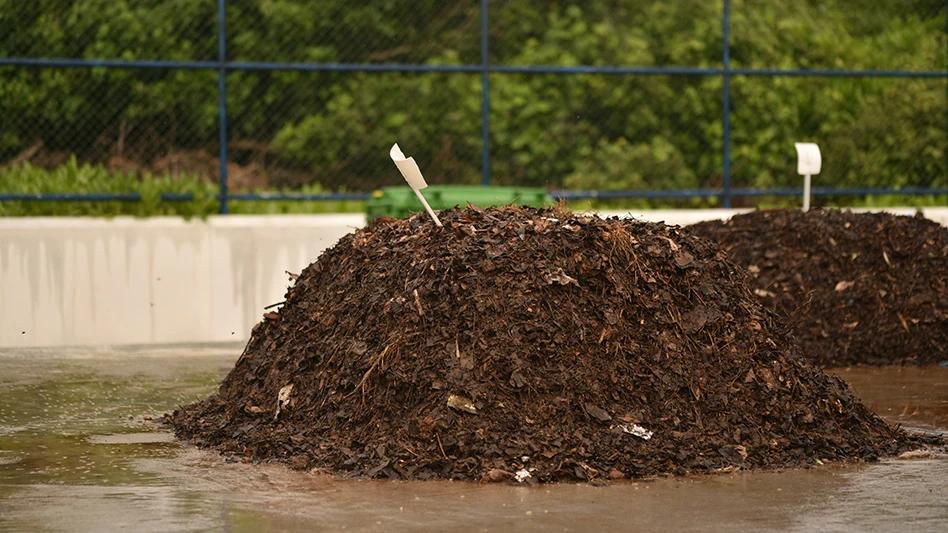
The city of San Diego’s Environmental Services Department recently completed its “Follow the Compost Pile” contamination removal pilot.
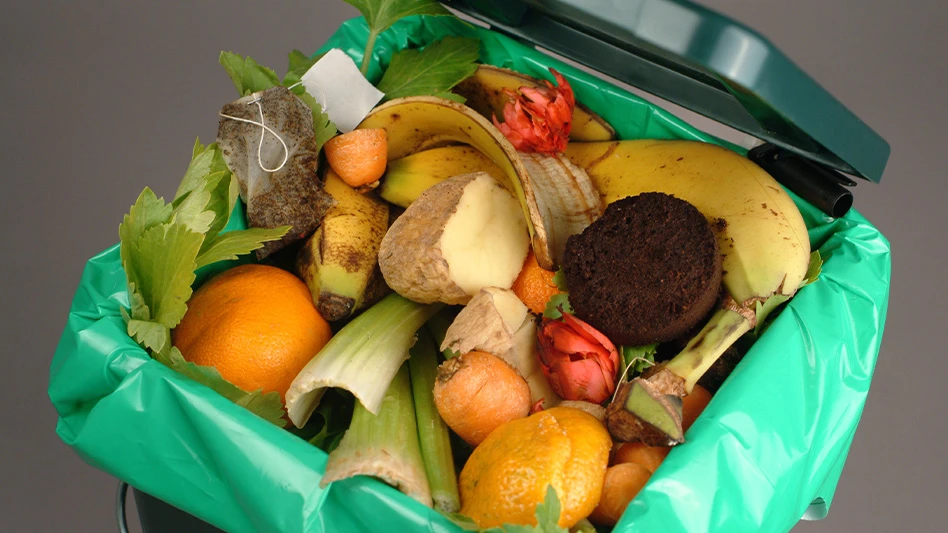
Aimed at identifying and removing contaminants and then assessing improvements to the composting process at the Miramar Greenery, the city looked at what residents are placing in their green bins and collected data that can inform outreach and education with an overall goal of increasing organic waste recycling and decreasing contamination.
Glass bottles, plastic bags, scrap metal and helium tanks were among the contaminants found during the pilot. All materials observed during the program were documented, weighed and manually removed. The two-week picking and documentation process ended Aug. 20, but the city says it will take several weeks to analyze the data.
Since expanding organic waste collection in 2023, green bin tonnage increased from 142,297 tons in 2023 to 194,310 in 2024. More than 200,000 residents participate in the city’s organic waste collection services.
While the existing process at Miramar Greenery involves removing contaminants through a grinding and screening process, the “Follow the Compost Pile” pilot program had the city incorporate manual sorting to remove contaminants before the material is ground into compost. The pickers are part of a collaboration with East County Transitional Living Center, an organization providing opportunities for individuals experiencing homelessness to reenter the workforce.
“If we are able to implement this process moving forward, we can lower the number of contaminants at the end, improve operational efficiencies and, in turn, produce better compost to put out to the community,” says Jennifer Winfrey, assistant deputy director at San Diego’s Environmental Services Department.
The city also will launch a fully integrated, multilingual campaign this fall to encourage awareness about organic waste, made possible by a state CalRecycle grant.
San Diego says one of the biggest issues in effective organics management is the prevalence of plastic bags in the waste stream. Even if they are labeled compostable, they are not allowed in the city’s green bins.
“A single plastic or compostable bag that moves through our composting and grinding process can ultimately result in a thousand tiny pieces of plastic,” Winfrey says.
Organic waste recycling is required by state law as outlined in Senate Bill 1383, which requires the reduction of organic waste disposed of in landfills.
Latest from Waste Today
- Fleetio launches AI capability to accelerate fleet maintenance approvals
- Recycle Ann Arbor extends drop-off station operating hours
- Sybilion seeks to help manufacturers confidently address volatility
- Ecowaste Solutions partners with city of Trinity, Texas
- Bristal Hauling acquires G&R Garbage Disposal
- Baltimore trash collection expected to slow as WTE facility closes for maintenance
- Landfill Insights | Connecting the dots: Policy to practice
- FCC Environmental Services awarded collection contract in Florida