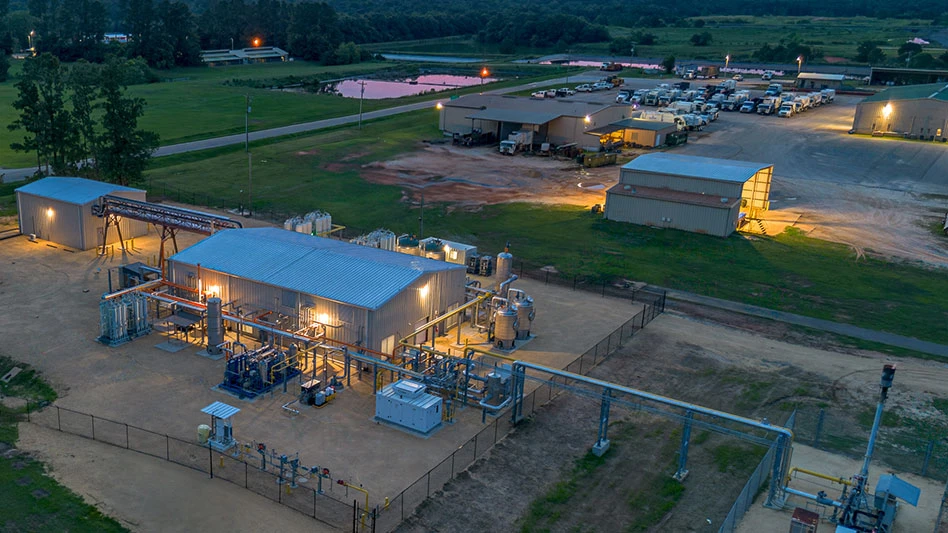
Photo courtesy of Viridi Energy
With a capacity of 1,000 standard cubic feet per minute, Viridi Energy’s new renewable natural gas (RNG) facility at Magnolia Landfill in Summerdale, Alabama, a partnership with the Solid Waste Disposal Authority of Baldwin County (SWDABC), is a relatively small-scale plant that could reflect the future of landfill gas partnerships.
While a lot of larger-scale landfills have already been tapped throughout the country, small landfills offer an attractive option with increasing viability for landfill gas-to-RNG facilities as technology improves and costs come down, says Tamara Siskind, director of business development for Viridi Energy, a Wilmington, Delaware-based developer of RNG projects.
“It’s a trend that we’re starting to see as new technologies get better and more cost-effective,” Siskind says. “Those are the ones that are kind of left over, and it’s about finding the opportunities and capitalizing on that and using technology to make them viable.”
Viridi Energy acquired the Baldwin County project from the facility’s original developer after a series of delays and challenges caused by unforeseen supply chain disruptions related to COVID-19 and Hurricane Sally.
Because Magnolia is a smaller-scale landfill in a rural area, there was no existing infrastructure to connect with a natural gas pipeline. After Viridi Energy came in as a partner with the SWDABC, the company worked closely with county officials to secure permitting for an interconnecting pipeline to connect the RNG facility to the natural gas pipeline.
“We had to communicate pretty frequently and consistently with the Solid Waste Disposal Authority and they were great to work with,” Siskind says. “We were really happy with the collaboration and the partnership.”
SWDABC CEO Terri Graham agrees, adding, “On both sides, it’s a collaborative effort, trying to do what we can do to make them as profitable as they can be, and make us as profitable as we can be, producing as much gas as we can produce.”
RELATED: Viridi Energy announces operations at Alabama RNG facility | Viridi Energy signs RNG agreement
RNG facility project
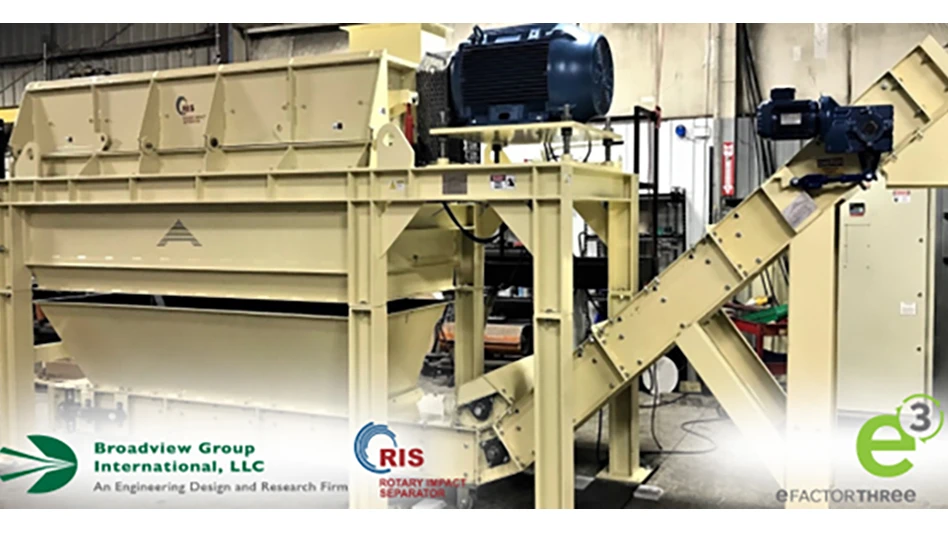
Viridi Energy completed construction on the facility and brought in operations personnel local to the plant, training them specifically for the location and the technology. The technology to clean up the landfill gas and upgrade it to pipeline-quality RNG—a vacuum pressure swing adsorption upgrader with a catalytic deoxy unit—had been selected by the previous developer, Siskind says.
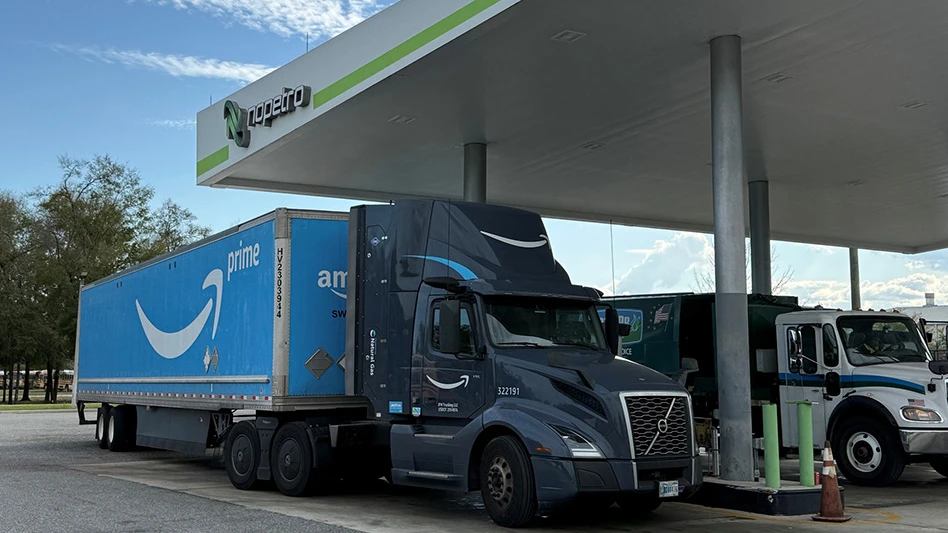
The facility has an exclusive gas supply contract with BP, and the RNG is used to heat homes and industrial buildings through an interconnection with a pipeline owned by Riviera Utilities, a utility company serving Baldwin County, Siskind says. It can also be used in the renewable fuels space in vehicles powered by compressed natural gas (CNG).
Viridi Energy owns and operates the RNG facility, with two on-site employees running it on a day-to-day basis and additional consultants, commissioning engineers and project engineers on site to support well field optimization and offer in-house expertise on operations aimed at getting the most landfill gas out of the landfill. The company is also responsible for compliance reporting, Siskind says.
“[That] can be a little bit complex for renewable natural gas,” Siskind says. “There’s a decent amount of accounting and tracking that has to happen for the renewable fuel standard program. We manage all of that and we partner with Baldwin County—there’s some information that has to come from them for compliance reporting—then Viridi is responsible for pulling it all together.”
On the regulatory side, Viridi helped the county navigate a shift from the Environmental Protection Agency (EPA), a change to the biogas regulatory reform rule that requires additional reporting from landfills. The Viridi team worked to explain the changes to landfill operators and ensure the county was compliant with new reporting for the EPA renewable fuel standard.
That technical expertise, financing support and regulatory knowledge is what makes working with a developer attractive to landfills.
“Keeping a pulse on what’s changing, that can get pretty specialized, and it’s something that we’re comfortable with. It saves the host landfill from also having to hire additional folks and train additional folks—we take care of that,” Siskind says.
That expertise is what makes this type of public-private partnership valuable for landfill operators, Graham says.
“A lot of it is the expertise that they would bring that I don’t have in-house,” Graham says. “They are more specialized in this arena than what we would be on the landfill side, so they can bring their knowledge and their engineers and their gas experts. Where I have to think a little more globally, they can more hyperfocus on gas production.”
Company history
Viridi Energy is a fairly new company, formed in 2022 from a team of professionals experienced in the landfill gas-to-RNG space, Siskind says. The Baldwin County project is its first operational facility, and the company has two more landfill gas-to-RNG projects it expects to come online in 2025 as well as additional projects that are in earlier stages of development and execution.
“In general, our team has a variety of backgrounds but a strong technical understanding of how to upgrade landfill gas into RNG,” Siskind says. “Gas processing, gas trading—specifically, of landfill gas—is something that our team has a good grip on and understands how to execute.”
While Viridi is a relatively new company, the team behind it built some of the earliest RNG facilities in the country as part of the teams for Keystone Renewable Energy and Air Liquide, Paris.
“This was not their first rodeo,” Siskind says, “and I think what a private developer with the right experience brings is the expertise and the know-how, knowing all of the pieces and how to fit them together efficiently and [in a] timely [manner].”
An experienced team can also bring the right resources, both technical and financial, she says, which can save taxpayer money.
“It’s a private investment and then a royalty is paid, so there’s a recurring revenue that’s provided to the landfill without them needing to outlay the capital money up front because the developer handles that,” Siskind says.
Additional opportunities
Beyond partnering with smaller landfills, private companies such as Viridi Energy are also looking to existing landfills that produce electricity as potential public-private partnership opportunities. These landfills could be converted from landfill gas-to-electricity to landfill gas-to-RNG as power generation equipment reaches end of life or becomes too expensive to maintain, Siskind says.
Siskind says she also anticipates seeing more co-location of anaerobic digestion technology landfill, offering the ability to take additional feedstocks, such as separated food waste to the landfill.
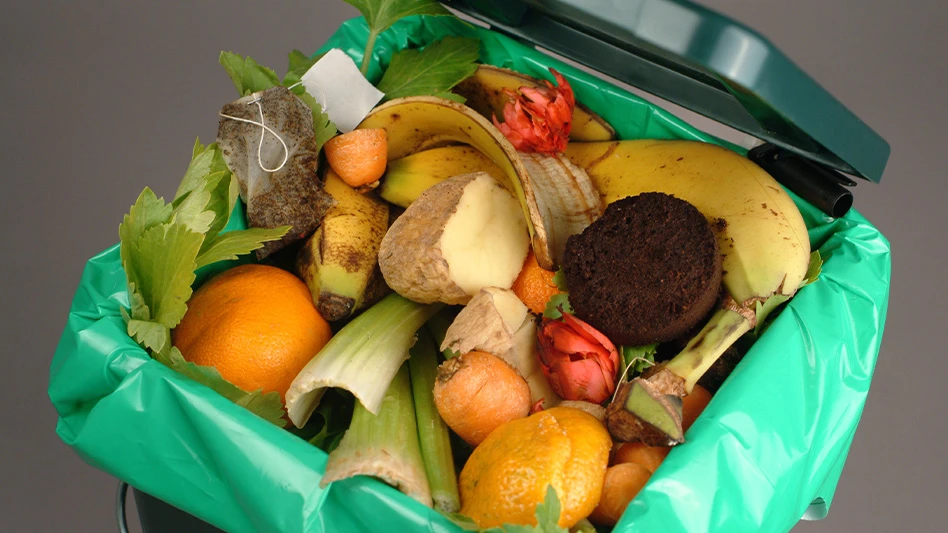
“If it goes through anaerobic digestion, then you get biogas, which can also be converted into RNG,” Siskind says. “So, as some organics diversion legislation moves forward at the state level, we may be seeing more facilities where it’s not just from the landfill but could also be from a digester.”
Another public-private partnership opportunity can be found in the wastewater treatment space, Siskind says. For municipal wastewater treatment plants that have existing digesters, oftentimes used to turn biogas into heat, it could make financial sense to beneficially use the biogas in an RNG project.
“We just haven’t seen an many public-private partnerships in that space. They haven’t jumped into it in the same way that the landfills have, but it’s another potential expansion area,” Siskind says.
Latest from Waste Today
- Fleetio launches AI capability to accelerate fleet maintenance approvals
- Recycle Ann Arbor extends drop-off station operating hours
- Sybilion seeks to help manufacturers confidently address volatility
- Ecowaste Solutions partners with city of Trinity, Texas
- Bristal Hauling acquires G&R Garbage Disposal
- Baltimore trash collection expected to slow as WTE facility closes for maintenance
- Landfill Insights | Connecting the dots: Policy to practice
- FCC Environmental Services awarded collection contract in Florida