netrun78 | stock.adobe.com
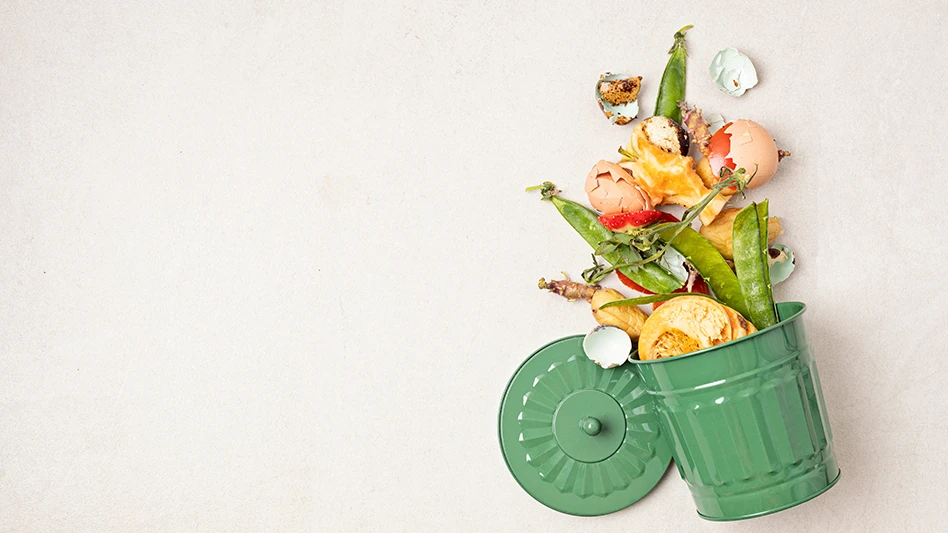
A new pilot program for curbside food waste collection has been announced in Somerville, Massachusetts. In partnership with Portland, Maine-based Garbage to Garden, the city of Somerville will provide weekly curbside food waste collection to up to 1,200 eligible East Somerville households through mid-2027.
The city says the pilot program will help it better understand how municipal composting could be expanded citywide in the future and how composting could support Somerville’s carbon net-negative Climate Forward goals.
“Curbside composting programs are a win-win,” Somerville Mayor Katjana Ballantyne says. “With curbside food waste pickup, you get immediate neighborhood benefits like reducing trash, odors and food sources for rodents. Citywide, it also reduces your carbon footprint, decreases waste going to landfills and incinerators and produces high-quality compost. This pilot is an exciting first step in exploring what’s next for modernizing—and greening—waste collection in Somerville.”
The pilot program will provide no-cost curbside food waste collection to a test area in a portion of East Somerville. To be eligible, residents must live in a building with six units or fewer and not already have an active curbside composting subscription. Participating households will receive a kitchen container, curbside bin and educational materials, and Garbage to Garden will pick up the compost bin weekly on waste and recycling collection day.
The city has set waste diversion goals to reduce the amount of waste generated by 30 percent by 2030 and 90 percent by 2050. In Massachusetts, plant and animal waste and compostable paper account for approximately 30 percent of municipal solid waste, so municipal composting is a key action toward these goals, the city says.
According to the city’s Consumption-Based Emissions Inventory, food, including food waste, is the single largest source of resident carbon emissions within Somerville’s borders, outpacing both transportation and housing-related activities like heating and residential electricity use.
“Beyond quality of life and sustainability benefits, composting also promotes zero-waste principles,” says Christine Blais, director of the Somerville Office of Sustainability and Environment. “Each time we toss our leftovers or expired foods into a compost bin instead of the trash, it can raise awareness of our overall consumption and give residents an opportunity to grow a culture of climate action that will make a difference in our community and beyond. In short, programs like this can have a positive multiplier effect on how we each approach our own role in improving our environment.”
Garbage to Garden provides organics collection services to several Maine cities, and its Massachusetts service area currently includes the cities of Boston, Medford, Melrose, Revere and, most recently, Somerville.
Waste Today has reached out to Garbage to Garden for additional information.
Latest from Waste Today
- Vermeer announces plan to build new facility in Des Moines metro area
- Buffalo Biodiesel shares updates on Part 360 application to DEC, Tonawanda facility progress
- Capstar Disposal expands roll off dumpster rental services
- Supreme Court strikes down IEEPA tariffs
- Casella details facility closures, expansion efforts
- Zero harm: Building a SIF prevention program for waste and recycling operations
- Casella posts a loss in Q4 2025
- McNeilus names Haaker Equipment first Dealer Partner of the Year