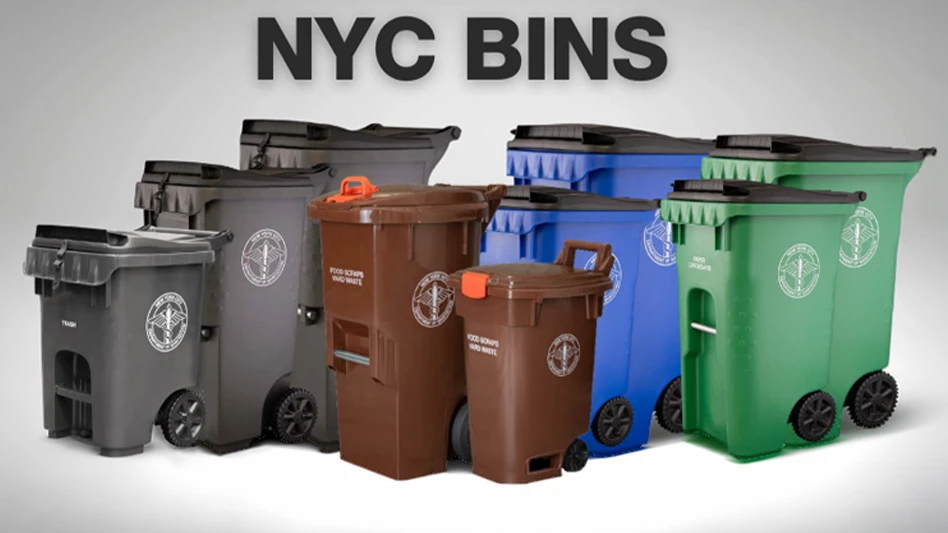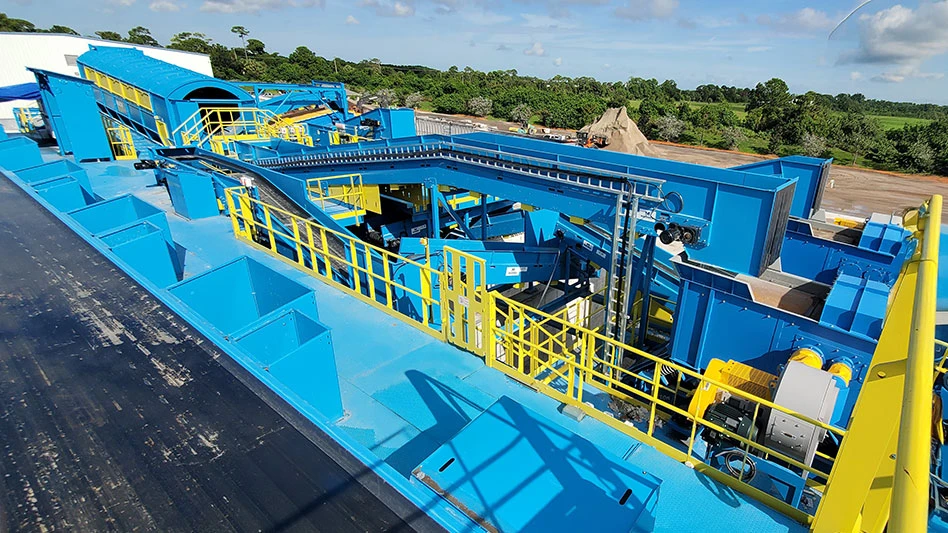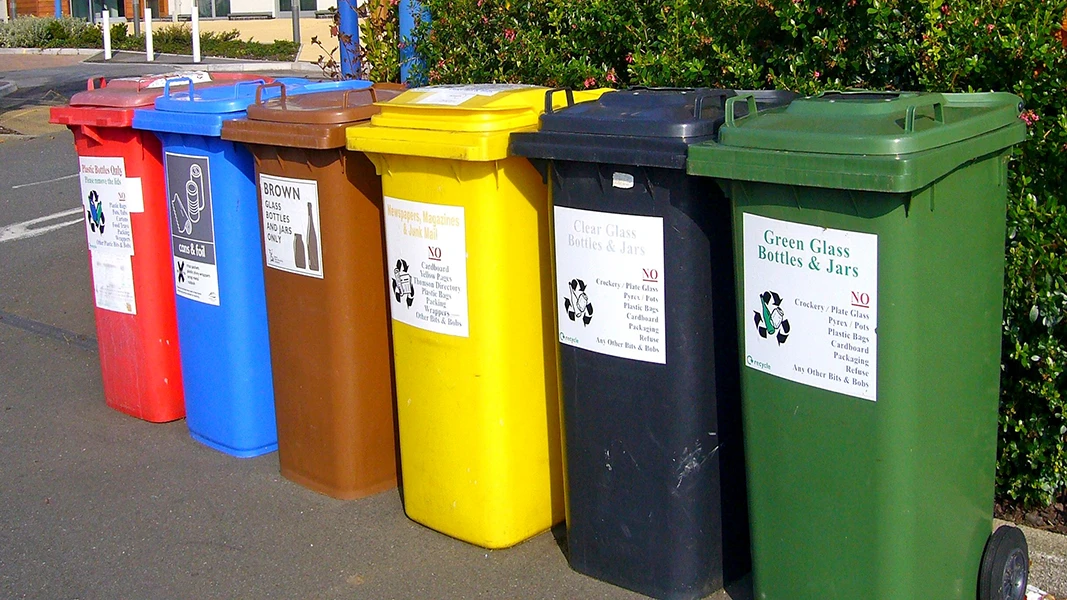
Local recycling programs have become a cornerstone of sustainable practices for everyday citizens. However, recent challenges, primarily driven by cost considerations, have led many communities in the U.S. to shrink or even eliminate curbside recycling services. In an article published this week by Nature, an international science journal, researchers delve into the significance of recycling programs. They also present a model that explores the economic and environmental aspects of waste management at the household level.
The Role of Curbside Recycling Programs
Curbside recycling programs offer a visible opportunity for local governments to engage citizens in environmentally sustainable practices. By separating recyclables from other waste, residents contribute to the collection of materials that can be processed and used as secondary feedstocks in the production of new products. Unfortunately, recent years have witnessed challenges faced by local recycling services, including restrictions on international recycling markets and contamination issues. The overriding factor in shrinking recycling programs has been cost concerns raised by government officials. However, it is crucial to assess the true expenses associated with recycling and consider the potential for recycling programs to pay for themselves.
Environmental Benefits of Recycling
While the recycling industry faces difficulties, it is essential to recognize the relationship between waste management and the global environment. Waste management improvements have emerged as a favored strategy for mitigating the impact of climate change. Recycling plays a significant role in reducing greenhouse gas emissions and conserving natural resources. Despite being overlooked in many climate policies and consumption studies, recycling has the potential to make a substantial contribution to sustainable consumption and production goals.
Modeling Waste Management
To gain insights into the economic and environmental implications of waste management, the researchers that authored "The Hidden Economic and Environmental Costs of Eliminating [Curbside] Recycling" developed a model that simulates mass flows, costs, and greenhouse gas emissions at the household level in the U.S. Their focus on households is vital since local governments hold responsibility for this wastestream segment. Since comprehensive existing models are limited, they explain, their framework combines economically focused input-output analysis with lifecycle assessment-based greenhouse gas emissions. The model examines separate garbage and recyclable collection, processing, remanufacturing, and disposal. Additionally, their research explores the impacts of hypothetical changes to recycling programs, providing decision-makers with valuable information for restructuring or eliminating curbside recycling services.
Cost Considerations and Market Fluctuations
Recycling programs have always incurred costs, and during times of poor market conditions for recycled commodities, expenses are expected to rise. In recent years, annual costs per household have ranged from $37 USD to $42 USD, while in lucrative markets, costs have been as low as $3 per year. Analysis by Malak Anshassi and Timothy Townsend reveals that even under challenging market conditions, the reduction in greenhouse gas emissions achieved through recycling surpasses the benefits of other sustainability actions, such as purchasing green power or transitioning to hybrid or electric vehicles. It is crucial to understand the long-term value of recycling programs beyond short-term cost considerations.
Strengthening Recycling Programs
To ensure the resilience of local recycling programs, two key actions are essential. First, policies promoting more robust markets for recycled materials are necessary, such as extended producer responsibility and recycled-content mandates. These measures hold manufacturers accountable for the recycling and disposal of their products and encourage the integration of post-consumer materials. Second, curbside recycling programs can be optimized by targeting a smaller number of higher-value commodities. While this may require limiting the types of materials accepted, it would enhance the efficiency of recycling systems and ultimately reduce environmental impact, despite the potential challenges.
Latest from Waste Today
- Interchange 360 to operate alternative collection program under Washington’s RRA
- Waste Pro files brief supporting pause of FMCSA CDL eligibility rule
- New Way Trucks expands US network with Joe Johnson Equipment
- Tire Industry Project publishes end-of-life tire management guide
- Vecoplan to present modular solutions at IFAT 2026
- Terex Ecotec appoints Bradley Equipment as Texas distributor
- My Green Michigan expands depackaging capacity
- Washington selects Circular Action Alliance as PRO