pingpao | stock.adobe.com
The US Composting Council (USCC), Raleigh, North Carolina, has formed and approved the Indiana Composting Council (INCC), based in Carmel, Indiana.
INCC is the 16th chapter of the USCC, joining Arizona, California, Colorado, Florida, Georgia, Illinois, Iowa, Maryland/DC, Michigan, Minnesota, North Carolina, Ohio, Tennessee, Texas, and Virginia.
Organized by a group of USCC members working in the consulting, nonprofit, and public education fields, the INCC is a nonprofit organization dedicated to increasing the use and production of compost in Indiana. The chapter’s role is to promote the composting industry and the reduction, reuse and recycling of organic material through the support of infrastructure development, quality control, training, legislative and regulatory advocacy and public education throughout the state.
The group, which is seeking Indiana members, will educate state regulators, local officials and the public about the importance of the compost manufacturing industry to local waste management programs, jobs and business development, as well as the benefits of using compost in commercial and residential landscaping and for stormwater management, erosion control and green infrastructure. The INCC and USCC will jointly take positions on regulations and legislation that affect the industry and the market for compost in the state.
“The Indiana chapter joins a strong Midwestern presence with neighbors in Iowa, Illinois, Minnesota, Michigan and Ohio,” USCC Executive Director Linda Norris-Waldt says. “Building infrastructure in this region is much more successful with the voices that our chapters bring to the table.”
The USCC says composting plays a growing role in the circular economy of Indiana by diverting organic matter from residential, agricultural, commercial, institutional and industrial sectors into a beneficial product that improves soil health. Food residuals make up 24 percent (more than 19,011 tons) of the waste sent to Indiana landfills each year, according to the 2019 EPA “Wasted Food Report,” released in April 2023.
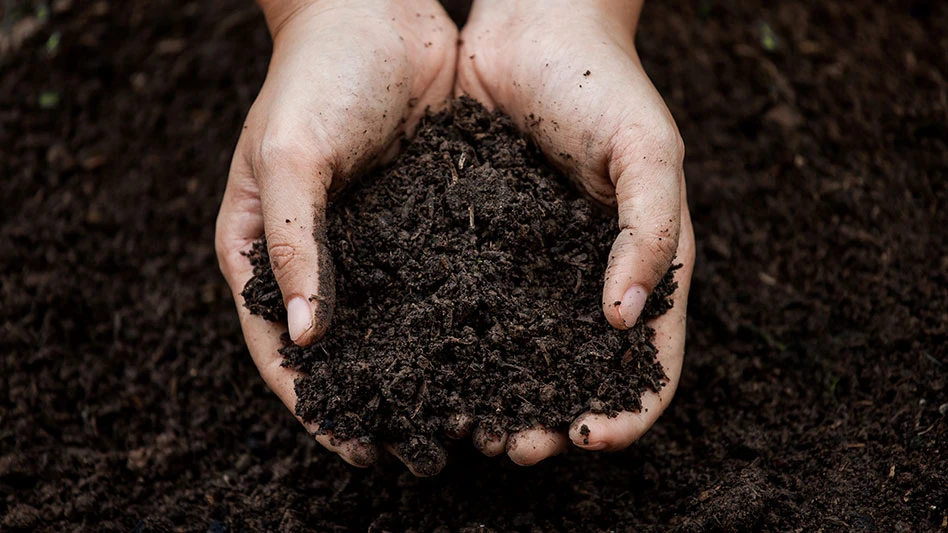
Composting food residuals and other organic matter keeps them out of landfills and reduces methane emissions while also creating a beneficial and marketable soil amendment that improves water infiltration and retention, reduces erosion, sequesters carbon and contributes to plant health, the USCC adds.
“We would like to see an Indiana where composting is accessible to all—empowering Hoosiers to steward the environment, boost local economies and build healthy, fertile soils for generations to come,” INCC founder and board President Gowri Somasundaram says. “Indiana boasts a state-of-the-art recycling infrastructure. The goal of INCC is to further expand this infrastructure and foster the growth of compost markets. With abundant agricultural land and a strong reputation for corn and soybean production, Indiana is well-positioned to lead in sustainable agricultural practices.”
The INCC welcomes members from the public and private sectors, including industry, nonprofits, institutions, academia and government agencies that have an interest in the beneficial aspects of composting. For more information, INCC organizing committee members can be contacted at compostingcouncil.incc@gmail.com. They will hold a strategic board meeting Aug. 28.
Those interested in starting a USCC state chapter can reach out to USCC Public Policy Director Chris Snow at csnow@compostingcouncil.org.
Latest from Waste Today
- Vermeer announces plan to build new facility in Des Moines metro area
- Buffalo Biodiesel shares updates on Part 360 application to DEC, Tonawanda facility progress
- Capstar Disposal expands roll off dumpster rental services
- Supreme Court strikes down IEEPA tariffs
- Casella details facility closures, expansion efforts
- Zero harm: Building a SIF prevention program for waste and recycling operations
- Casella posts a loss in Q4 2025
- McNeilus names Haaker Equipment first Dealer Partner of the Year