Recycling Today archives
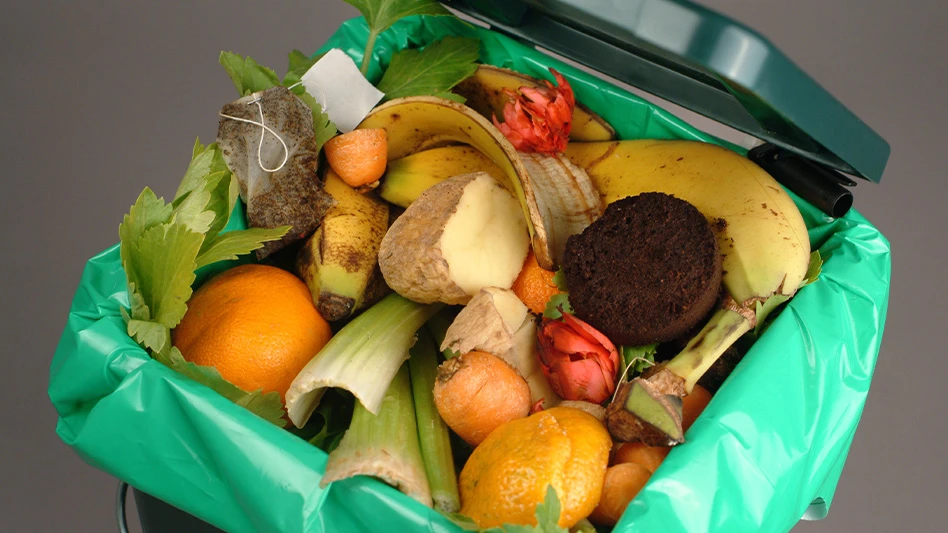
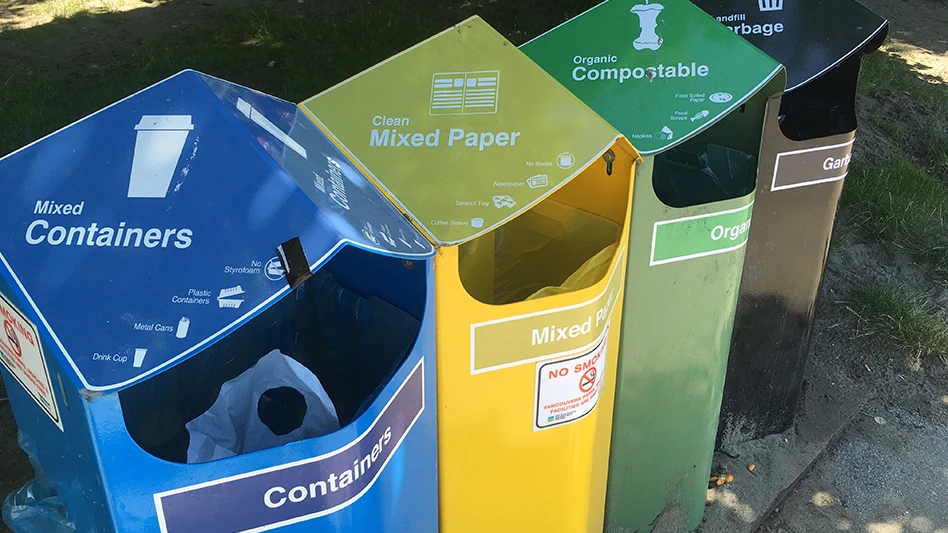
A 2024 waste composition study conducted by the Metro Vancouver government entity representing 21 municipalities in British Columbia has found compostable organic materials consisting predominantly of food scraps made up 22 percent of what households discarded as nonrecyclable last year.
That percentage has been declining from 28 percent in 2021, but compostable organics technically were banned from being landfilled by the Metro Vancouver government in 2014.
Offering good news, compostable organics in MSW decreased from 192 pounds per person in 2021, when they represented 28 percent of the MSW total, to 154 pounds per person last year, or 22 percent.
The study (which starts on Page 64) and a companion Metro Vancouver study of waste and recycling outcomes at 87 multifamily sites indicate that at the apartment complexes and other multifamily locations, compostable organics made up 32 percent of the MSW total.
An Aug. 27 report on the study’s findings from CBC quotes a Metro Vancouver official as saying compostable organics are “a valuable product that actually helps build healthy soils.”
CBC reporter Chad Pawson also interviews Cristy Houston, waste reduction coordinator of Richmond, British Columbia (one of the 21 Metro Vancouver municipalities).
Houston says the need to take an elevator or stairs or walk a short distance offers a hurdle to some multifamily composting.
"The distance between where you may be sorting your materials and where they’re actually ending up within your building can contribute to why it might be easier to do things incorrectly,” she says.
Odors that can build up when food scraps are collected did not escape the notice of a member of a retirement community interviewed by Pawson, who says, “I do think the green bin stinks a hell of a lot.”
Latest from Waste Today
- Fleetio launches AI capability to accelerate fleet maintenance approvals
- Recycle Ann Arbor extends drop-off station operating hours
- Sybilion seeks to help manufacturers confidently address volatility
- Ecowaste Solutions partners with city of Trinity, Texas
- Bristal Hauling acquires G&R Garbage Disposal
- Baltimore trash collection expected to slow as WTE facility closes for maintenance
- Landfill Insights | Connecting the dots: Policy to practice
- FCC Environmental Services awarded collection contract in Florida