Wagner | stock.adobe.com
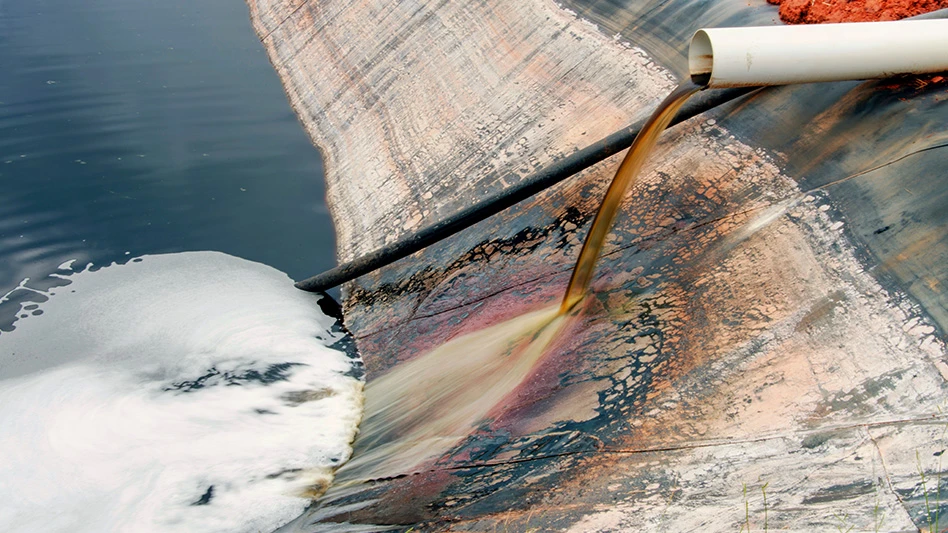
Vermont’s only landfill, located in Coventry, faces bill H.652, which proposes prohibiting the discharge of leachate from a landfill or a solid waste management facility into the watershed of Lake Memphremagog.
The bill would prohibit both direct discharge from the landfill, which is owned and operated by Casella Waste Systems Inc., and the transfer of the leachate to a wastewater treatment facility in the watershed of Lake Memphremagog for discharge.
Bill H.652 states that the lake is of integral importance to Vermont and Quebec, as it provides more than 175,000 individuals with drinking water and is a precious natural resource and habitat for fish and wildlife.
Vermont’s current leachate treatment systems are incapable of removing hazardous per- and polyfluoroalkyl substances (PFAS) from leachate, according to the bill. The discharge of leachate from a landfill or solid waste management facility will be prohibited regardless of whether the leachate has been treated or is untreated.
The prohibition on the discharge of PFAS into a water within the lake watershed includes the prohibition on the transfer of the leachate to a wastewater treatment facility in Vermont for subsequent discharge into a water within the Lake Memphremagog watershed.
Similar bills
Massachusetts bill H.4870 establishes a PFAS remediation trust fund to mitigate the impacts of PFAS in Massachusetts.
It also requires the Department of Environmental Protection (DEP) to amend groundwater and surface water discharge permits for industrial permittees to include monitoring, reporting and best management practices for PFAS, and to establish effluent limitations for PFAS in groundwater discharge permits.
Bill H.4870 mandates a public awareness campaign about PFAS contamination and its health impacts, prohibits the sale of food packaging with intentionally added PFAS by Jan. 1, 2028 and bans the sale of certain “priority products”—which include children's products, cookware and textiles—with intentionally added PFAS by Jan. 1, 2029.
Indiana House Bill 1110 proposes that the Department of Environmental Management be required to adopt maximum contaminant levels for PFAS chemicals and effluent limitation standards for wastewater containing PFAS chemicals by July 1, 2027.
In May 2025, Maine signed an act to protect groundwater and surface water from PFAS from landfill leachate into law.
The act states that a solid waste landfill that collects and manages leachate shall integrate the sampling and analysis of leachate for PFAS into the landfill's department-approved water quality monitoring plan.
Latest from Waste Today
- Google purchases carbon removal credits generated by Amp’s organic waste processing
- Martin County is first Florida municipality to commit biosolids to Indiantown upcycling facility
- Redrock Environmental Group sanitation workers join Teamsters Local 431
- OhioHealth receives SWACO grant to purchase digester
- Casella appoints senior vice president and chief revenue officer
- WeSort.AI recovers critical raw materials from recycling plants
- Collective Waste Solutions acquires Alcop Resource Recycling transfer station
- A blueprint for curbside composting