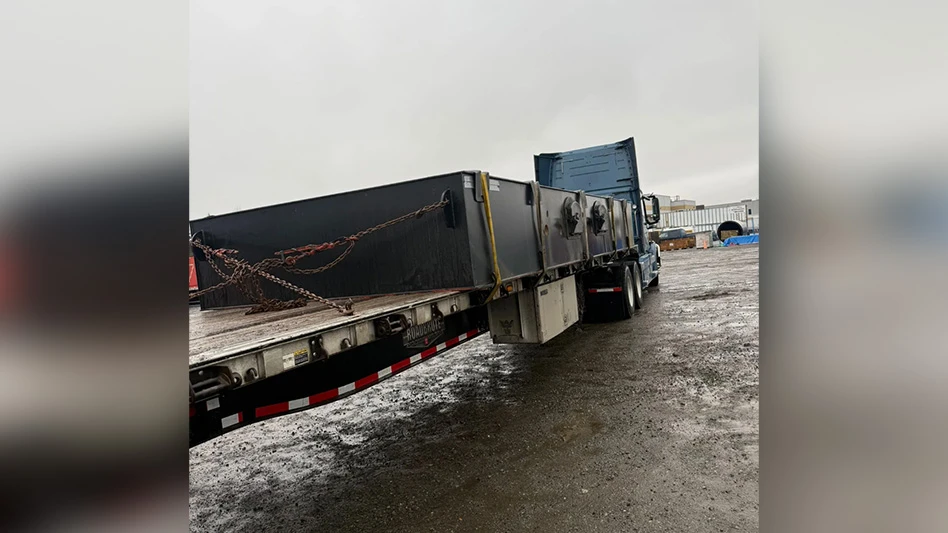
Photo courtesy of Waste Energy Corp.
Patent-pending waste-to-energy conversion technology from Waste Energy Corp., headquartered in Midland, Texas, has secured United States-Mexico-Canada Agreement certification, marking the final regulatory hurdle for entry into the U.S.
The majority of the technology also has successfully cleared U.S. customs, crossed the United States-Mexico border and is en route to Waste Energy’s Midland facility. All remaining certified components of the technology are scheduled to arrive during the first week of January 2026.
Waste Energy has also confirmed that its lead engineer and installation and commissioning team will be on-site in Midland beginning the first week of January, with the system expected to be fully operational by the end of January.
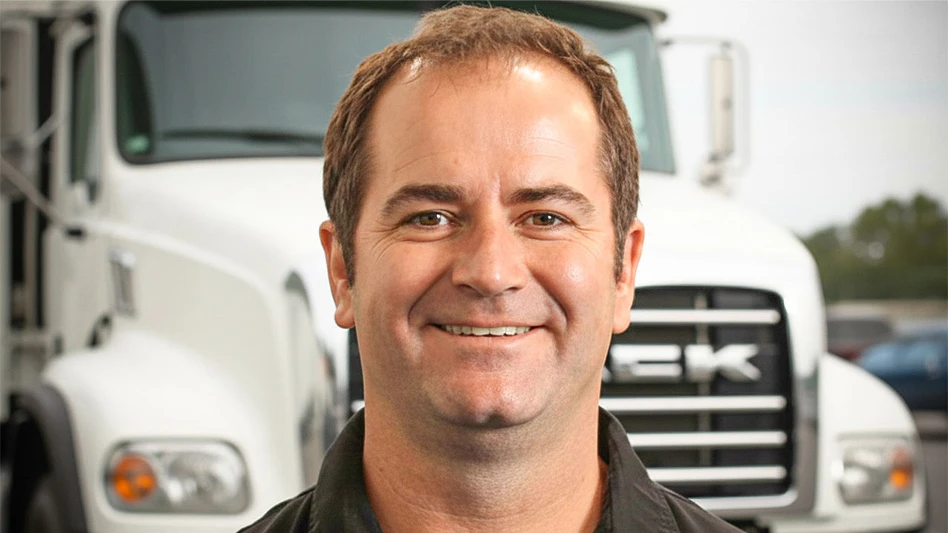
“This was a complex and heavy lift, but our team delivered,” Waste Energy CEO Scott Gallagher says. “The trade and regulatory landscape required patience, precision and relentless follow-through. With USMCA certification secured and our patent-pending waste-to-energy conversion technology now entering the United States, we’ve cleared a defining hurdle and can now focus entirely on execution, operations and revenue generation. This moment marks the transition from preparation to performance for our company.”
Originally conceived and engineered in 2021, the conversion technology was designed to provide independent, waste-powered energy for high-intensity computing applications. Since announcing its first feedstock delivery in October, Waste Energy says it has focused on finalizing logistics, regulatory compliance and infrastructure readiness to support sustained operations at its Midland facility.
RELATED: Waste Energy Corp. prepares to commission waste conversion system
“While this technology was originally envisioned to support energy-hungry computing environments, its potential today extends far beyond its initial use case,” Gallagher says. “As [artificial intelligence] data centers, digital infrastructure and electrification drive unprecedented energy demand, our system offers a compelling solution: clean, dispatchable energy assets produced entirely from waste.”
Once operational, the Midland facility is designed to divert nonrecyclable plastic and tire waste from landfills and convert it into energy assets, carbon materials and emissions-verified environmental assets. According to Waste Energy, the facility is intended to serve as a repeatable, scalable blueprint that can be rapidly deployed across additional U.S. markets.
“This is where our future begins,” Gallagher says. “For years, we’ve been designing and building toward this moment. We cannot continue down a path where nonrecyclable plastics and tires are simply buried in landfills with the hope of a positive outcome. With our system coming online, we believe we can meaningfully address this challenge. This is about more than power and profit; it’s about our future and doing our part to help clean up America one tire, one bottle at a time.”
Latest from Waste Today
- Vermeer announces plan to build new facility in Des Moines metro area
- Buffalo Biodiesel shares updates on Part 360 application to DEC, Tonawanda facility progress
- Capstar Disposal expands roll off dumpster rental services
- Supreme Court strikes down IEEPA tariffs
- Casella details facility closures, expansion efforts
- Zero harm: Building a SIF prevention program for waste and recycling operations
- Casella posts a loss in Q4 2025
- McNeilus names Haaker Equipment first Dealer Partner of the Year